

"The Best Biologics Technology Meeting in Europe"
Conference Programs












PREMIER SPONSORS | VIEW ALL SPONSORS



"The Best Biologics Technology Meeting in Europe"
Conference Programs
PREMIER SPONSORS | VIEW ALL SPONSORS
2024 PLENARY DEEP DIVE:
Shaping the Next Stage of Antibody Development with Complex Modalities and Combinations
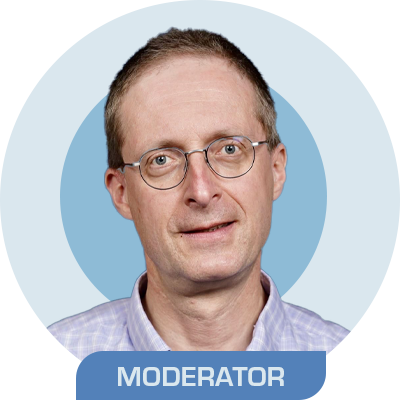
Christian Klein, PhD
Roche Innovation Center
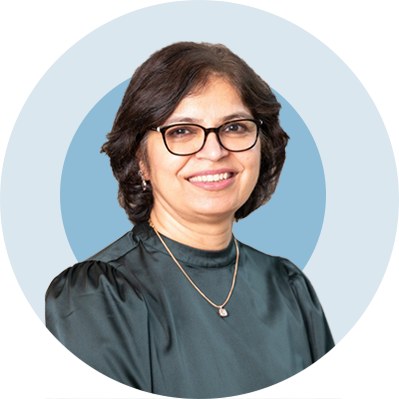
Immunotherapy Highlights
Taruna Arora, PhD
Bristol Myers Squibb
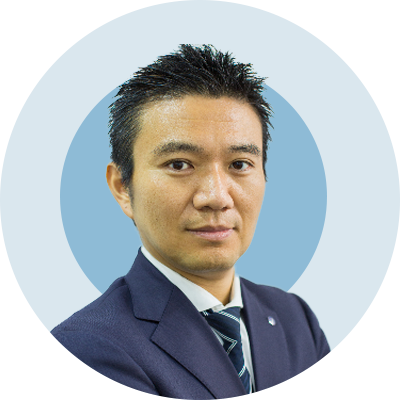
Multispecfic Antibody Highlights
Tomoyuki Igawa, PhD
Chugai Pharmabody Research
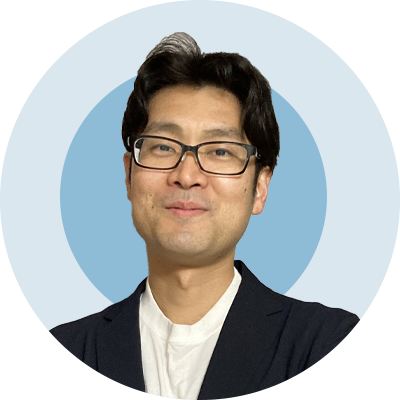
ADC Highlights
Hironori Matsunaga, PhD
Daiichi Sankyo
ABOUT PEGS EUROPE
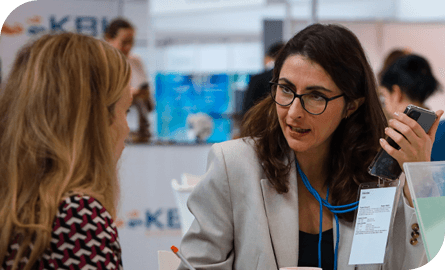
Network with 1,500+ colleagues at PEGS Europe, the largest protein & antibody engineering event in Europe, which has been described as "the best biologics technology meeting in Europe." New this year is expanded coverage of AI/ML, multispecific antibodies, antibody-drug conjugates, and an entire stream devoted to Oncology. The 2024 event will feature:
Become a Sponsor or Exhibitor
Whether you’re targeting the entire conference community of protein science professionals, a topic-specific community, a specific individual, or high-level decision makers, we offer a variety of methods to access our esteemed delegates. Explore our sponsor or exhibitor packages which offer a wide range of platforms to launch products, gain exposure, collect feedback, network and generate new leads.
COLLEAGUE TESTIMONIALS
“The best biologics technology meeting in Europe: a must-attend conference for novel biologics.”
Rakesh D., PhD, President & CEO, Bionavigen
“ I was very much impressed by the quality of the event, the depth and breadth of the presentations, as well as the scientific discussions and excitement. This is the event to participate and enjoy.”
Yan Q., PhD, Senior Principal Scientist, Rinat Pfizer
“Excellent event as usual. I always learn a substantial amount of info while at PEGS Europe.”
Christian K., PhD, Distinguished Scientist, Roche Innovation Center Zurich
“I truly enjoyed participating at the PEGS Congress. I have seen the quality and 'quantity' of the congress improving every year.”
Dario N., PhD, Full Professor, Chemistry and Applied Biosciences, ETH Zurich