Warning! Web API Url is not set for the Speaker Bios.
 Chloé Ackaert, PhD, Senior Scientist, Immunogenicity, IQVIA Laboratories
Senior Scientist
IQVIA Laboratories, in vitro immunology (previously known as ImmunXperts SA)Chloé Ackaert is a pharmacist by training (Catholic University of Leuven 2009) and obtained her PhD at the University of Salzburg (Austria) for the research on the impact of nitration on the immunogenicity of birch pollen allergens in 2013. She first joined ImmunXperts in the start-up phase and continued academic research at the Free University of Brussels (2015-2018) working on the immunogenicity of Nanobodies. Afterwards, she joined ImmunXperts again where she is a senior scientist in the immunogenicity team, collaborating both on the client-based projects as well as on the continuous basic research projects to elucidate immunogenicity-related questions.
 Hope Adamson, PhD, Senior Scientist, Protein Engineering, Assay Development, Enara Bio
Senior Scientist
Enara BioHope is a Senior Scientist in the Protein Biology function at Enara Bio, where she leads protein engineering activities for the EnTiCE bispecific T-cell engager platform. Prior to this Hope was a Senior Research Scientist in the Protein Sciences team at Exact Sciences (now Abbott), where she engineered enzymes for epigenetic sequencing technologies. Hope has a PhD and post-doctoral experience in protein engineering and assay development.
 Dikran Aivazian, PhD, CTO & Head, Research, ADAXION Therapeutics
CTO & Head of Research
ADAXION TherapeuticsDikran Aivazian, Ph.D., is the Head of Research and Chief Technology Officer at ADAXION Therapeutics. As an experienced leader in drug discovery and an expert in biotherapeutics for autoimmune diseases and oncology, he leads both research and CMC at ADAXION. Dikran was a scientific co-founder of ADAXION and played a pivotal role in launching the company. Before ADAXION, he built and led the biotherapeutics discovery group at Inception Therapeutics, helping to launch several companies within the Inception/Versant Ventures portfolio.
Prior to his tenure at Inception, Dikran spent eight years at Pfizer, where he was a project leader and a biologics group lead at the Pfizer Centers for Therapeutic Innovation (CTI) and Biomedicines Design. Dikran started his industry career at Biogen Idec in 2006.
Dikran’s academic training was in immunology, biophysics, and cell biology. He earned his Bachelor of Science degree from the University of Toronto, completed his Ph.D. at the Massachusetts Institute of Technology (MIT), and conducted postdoctoral research at Stanford University.
 Padma Akkapeddi, PhD, Senior Scientist, Antibody Discovery & Protein Engineering, Denali Therapeutics, Inc.
Senior Scientist
Denali Therapeutics Inc
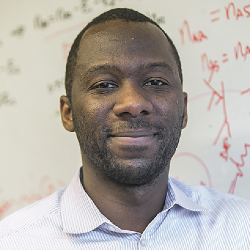 Chris Alabi, PhD, Fred H. Rhodes Professor of Engineering, Cornell University
Fred H. Rhodes Professor
Cornell UniversityChristopher Alabi holds a Bachelor of Science in Chemistry from New York University and a Bachelor of Engineering in Chemical Engineering from Stevens Institute of Technology. He completed his PhD in Materials Chemistry under the guidance of Mark Davis at the California Institute of Technology. In 2009, he pursued an NIH Postdoctoral fellowship at the Massachusetts Institute of Technology, working alongside Robert Langer and Dan Anderson. In 2013, he joined the Cornell faculty as an Assistant Professor in the School of Chemical and Biomolecular Engineering. His early research achievements include investigations into synthesis and properties of novel sequence-defined macromolecules, recognized through accolades such as the PhRMA Foundation Research Starter Award, NSF CAREER Award, Cornell Engineering Research Excellence Award, the PMSE Young Investigator Award and was recently elected to the AIMBE College of Fellows. Acknowledging his commitment to teaching and mentorship, he received the 2017 Tau Beta Pi Professor of the Year Award and, more recently, the 2022 Richard F. Tucker Excellence in Teaching Award. Research conducted in the Alabi lab is focused on deciphering how the composition and sequence of macromolecules influence their chemical, structural, and biological attributes, with the ultimate aim of engineering sustainable functional materials and biomolecular therapeutics.
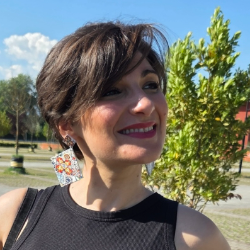 Josephine Alba, PhD, Senior Expert I Data Science, Biologics Research Center, Novartis Pharma AG
Senior Expert I Data Science
Novartis Pharma AGJosephine Alba holds a degree in Pharmacy from the University of Rome La Sapienza and a PhD in Chemical Sciences from the same institution. During her doctoral research, she gained extensive experience in modeling TCR–pMHC complexes in membrane environments, performing all-atom molecular dynamics simulations to capture T-cell receptor conformational changes.
She subsequently completed a three-year postdoctoral fellowship at the University of Fribourg (Switzerland), where she expanded her expertise to coarse-grained simulations, studying the biophysical properties of membrane tubules and vesicles, while further developing her skills in protein–membrane all-atom MD simulations.
She currently works at Novartis, applying advanced computational techniques to investigate protein, siRNA and membrane behavior in drug discovery.
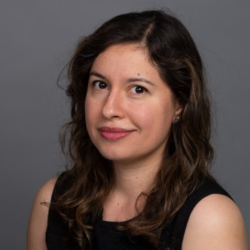 Gulsah Albayrak, PhD, Research Scientist, Department of Oncology, University of Oxford
Oxford UniversityDr Gulsah Albayrak (FHEA) is a postdoctoral researcher at the Centre for Immuno-Oncology, Nuffield Department of Medicine, University of Oxford, where she works within the Oxford–GSK GO-PRECIsE Alliance on HLA immunopeptidomics, cancer vaccine design, and bispecific and trispecific T cell engager development across solid cancers. She holds a DPhil in Oncology from Oxford and a PhD from Gazi University. Her work bridges direct ligandome profiling of primary patient material with functional T cell biology to identify tumour-specific targets for next-generation multispecific engagers, with a particular focus on the immunosuppressive microenvironment of ovarian and colorectal cancer. Her recent review in the British Journal of Cancer, T cell engagers: expanding horizons in oncology and beyond (2025), forms the basis of her contribution to this session.
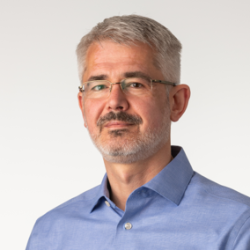 Milos Aleksic, PhD, Senior Director, Drug Discovery, Immunocore LLC
Senior Director
Immunocore LLCMilos Aleksic joined Immunocore in 2010 and currently is leading the pHLA targeting team responsible for engineering ImmTAX molecules - T cell receptor (TCR) based soluble bispecifics for targeting cancer, autoimmune and infection diseases. Prior to this role, Milos was a postgraduate researcher at University of Oxford where he studied molecular interaction between TCR and pHLA molecules. He gained his PhD in 2006 from the University of Ulm.
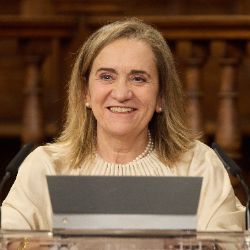 Maria Jose Alonso, PhD, Professor, Biopharmaceutics & Pharmaceutical Technology, University of Santiago de Compostela
Prof
University of Santiago De CompostelaMarÃa José Alonso is Professor of Pharmaceutical Technology at the University of Santiago de Compostela (USC), Spain.
Her lab has pioneered numerous discoveries in the field of nanomedicine, notably in the area a vaccination, transmucosal drug delivery and precision medicine in oncology. It has been supported by numerous grants at the local and international level, having been the coordinator of consortia grants financed by the WHO, Gates Foundation and European Commision.
Her main interest is to contribute to science and technologies through the advice and training of young scientists. With them, she has authored more than 335 scientific contributions with H factor: 110 and 27 patent families, most of them licensed to industry. She and her team have been part of 3 start-up ventures. She has been among the TOP TEN in Pharmacology (Times Higher Education international ranking, 2010) and in the “Power List†of the most influential researchers in the field of Biopharmaceuticals (The Medicine Maker).
She was President of the CRS in 2018-19 and she is Editor-in-Chief of the Drug Delivery and Translational Research, an official journal of the CRS. She is part of the editorial board of 12 journals.
She has received more 50 awards, among them the “National Research Awardâ€, considered as the highest distinction from the Spanish Government, the Jaume I Award and the Founders, WIS and Outstanding Service Awards of the CRS, Inc. . She is a member of 5 Academies in Spain and of the Royal Academy of Medicine of Belgium, the Academy of Pharmacy and Biochemistry of Argentina, the Académie Nationale de Pharmacie of France and of the US National Academy of Medicine (NAM). She was awarded with an “Honoris Causa†doctorate by the University of Cordoba and the University of Buenos Aires, Argentina, and of the University of Nottingham, UK.
She has hold high responsibilities as Vicerrector of Research and Innovation at the USC, Trustee of the Spanish Research Council and Adviser to the Ministries of Sciences and Innovation and Health. She is a member of the Council of the Spanish Agency of Research, Member of the strategic committee of the Spanish Research Council (CSIC), and several other scientific foundations.
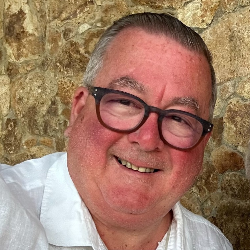 Richard Altman, MS, Field Application Scientist, Thomson Instrument Company
Field Application Scientist
Thomson Instrument CompanyRich Altman has 38 years of experience in protein expression and production. In 2025, he joined Thomson Instrument Company as a Field Application Scientist supporting protein production workflows. Before joining Thomson, Rich served in a similar role at Thermo Fisher Scientific supporting protein expression scientists. Before his Field Application Scientist roles, he worked at several pharmaceutical companies, including Amgen, Alexion, Bayer, and Upjohn, on the cloning, expression, purification, and characterization of recombinant proteins. This work supported both small-molecule high-throughput screening and protein therapeutic efforts. He received his MS degree from the University of Pittsburgh School of Medicine in the Department of Molecular Biology and Biochemistry.
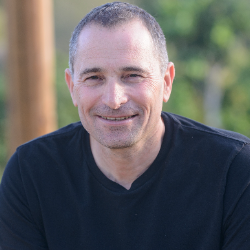 Ido Amit, PhD, Principal Investigator, Director, Weizmann Immunotherapy Center, Weizmann Institute of Science
Prof
Weizmann Institute Of ScienceProf. Ido Amit is a world leader and pioneer in single-cell genomics and its transformative applications to immunology. He earned his PhD from the Weizmann Institute of Science and completed his postdoctoral training at the Broad Institute of MIT and Harvard. Today, the Amit laboratory serves as a global hub for interdisciplinary innovation, integrating advanced single-cell technologies and artificial intelligence to revolutionize immunotherapy and precision medicine.
Prof. Amit’s groundbreaking discoveries have fundamentally reshaped our understanding of the immune system and have paved the way for novel therapeutic strategies for cancer, autoimmune, and neurodegenerative diseases. He holds prominent leadership roles in major international initiatives, including the Human Cell Atlas and LifeTime Flagship, and serves as a scientific advisor to leading biopharmaceutical companies.
His scientific impact has been recognized through numerous prestigious awards, among them the Pezcoller Foundation–EACR Translational Cancer Researcher Award (2025), Landau Prize (2021), Bruno Award (2020), Sanofi–Institut Pasteur Prize (2019, HHMI International Research Scholar Award (2017), Helen and Martin Kimmel Award for Innovative Investigation (2016), Rappaport Prize for Excellence in Biomedical Research (2016), and the EMBO Gold Medal (2015).
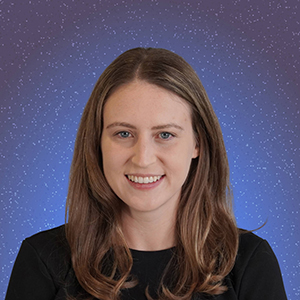 Alyssa Anderson, PhD, Investigator and Head, Protein Characterisation, AI Proteins
Head of Protein Characterization
AI ProteinsAlyssa Anderson is an Investigator and Head of Protein Characterization at AI Proteins. She earned her PhD from Massachusetts Institute of Technology, where she studied bacterial glycoconjugate biosynthesis enzymes. At AI Proteins, she leads the protein characterization and developability assessment of engineered miniproteins.
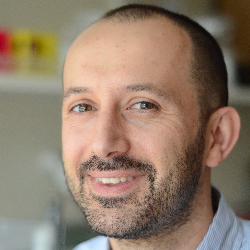 Alessandro Angelini, PhD, Professor, Department of Molecular Sciences and Nanosystems, European Center for Living, Technology Ca’ Foscari University of Venice
Associate Professor
Ca Foscari University of VeniceAlessandro Angelini is an associate professor at Ca' Foscari University of Venice (Italy). He received his PhD in chemical and structural biology from the University of Padova (Prof. G. Zanotti’s lab, 2008). He was a postdoctoral researcher at the École Polytechnique Fédérale de Lausanne (laboratory of Prof. C. Heinis, 2008-2011) and a research scientist at the Massachusetts Institute of Technology (laboratory of Prof. K. D. Wittrup, 2012-2016). His research group focuses on the development of macrocyclic peptide ligands via in vitro directed evolution approaches (www.angelinilab.com). He is also the co-founder of the biotech startup Arzanya S.r.l. (www.arzanya.com).
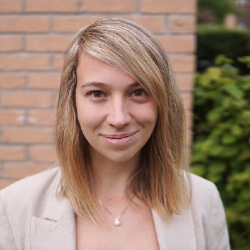 Julia Arizanova, PhD, Senior Scientist, Biologics Engineering, AstraZeneca
Senior Scientist
AstraZenecaJulia obtained her PhD in Cancer Biology at Imperial College London. She joined AstraZeneca in 2023, after working for several immuno-oncology startups in Cambridge, UK. She is now a Senior Scientist in the Protein Engineering & Novel Modalities (PENM) team in Biologics Engineering (BE) contributing to the discovery and design of T-cell engagers.
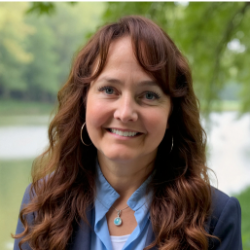 Tara Arvedson, PhD, CSO, Hexagon Bio
CSO
Hexagon BioTara Arvedson, Ph.D., is Chief Scientific Officer at Hexagon Bio, where she leads strategy and execution of a novel ADC payload platform focused on overcoming resistance in cancer. She is an accomplished scientific leader with deep expertise spanning oncology, hematology, and immunotherapy, and has a track record of advancing innovative therapeutics from discovery through development.
Prior to Hexagon Bio, Dr. Arvedson spent almost two decades at Amgen, where she held multiple leadership roles and contributed to programs including the KRAS G12C inhibitor LUMAKRAS®.
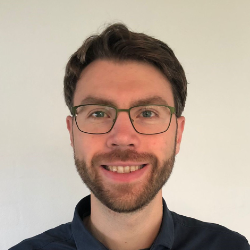 Dennis Ã…sberg, PhD, Associate Project Director, Protein and Peptide Research, Novo A/S
Associate Project Director
Novo ASDennis works as a project manager leading the API discovery, engineering and drug product development from early drug discovery to preclinical stage within Novo Nordisk R&D. He is mainly focused on obesity and diabetes programs that have protein or peptide based modalities. He has worked as a scientist and project manager at Novo Nordisk for the past 9 years. He holds a PhD from Karlstad University, Sweden, within pharmaceutical analysis of small molecules and which was a collaboration with AstraZeneca R&D, Gothenburg.
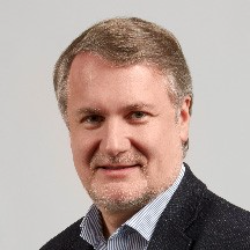 Patrick Baeuerle, PhD, Chief Scientific Advisor, Cullinan Therapeutics, Inc.
Chief Scientific Advisor
Cullinan Therapeutics, Inc.Dr. Patrick A. Baeuerle is the co-founder of nine MPM oncology portfolio companies including Harpoon Therapeutics, iOmx Therapeutics, Maverick Therapeutics, TCR² Therapeutics, Werewolf Therapeutics, Aktis Oncology and Cullinan Oncology, where he is the acting CSO of Biologics. Patrick serves on the board of directors of Harpoon, TCR2 and iOmx, is a scientific advisor to Harpoon, iOmx, Werewolf, and TCR2, and a previous investment committee member of the UBS Oncology Impact Fund (OIF), an oncology-only crossover fund (both private and public equities) managed by MPM. Prior to joining MPM as an Executive Partner in 2015, Patrick served as Vice President of Research and General Manager of Amgen Research Munich GmbH and as CSO for Micromet, where he was responsible for the development of BiTE antibody Blincyto®, which was approved by the U.S. FDA in 2014 in less than three months as a therapy for relapsed/refractory acute lymphoblastic leukemia. He earlier headed small-molecule drug discovery at Tularik, a publicly traded biotechnology company acquired by Amgen. Prior to this, he was Professor and Chairman of Biochemistry and Molecular Biology at the Medical Faculty of Freiburg University, Germany, where he did groundbreaking research on transcription factor NF-kappaB. Patrick is the recipient of Xconomy’s 2019 “X of the Year Awardâ€, and the European Molecular Biology Laboratory’s 2019 Lennart Philipson Award in recognition of his many contributions to the development of cancer immunotherapies. To date, he has published 243 PubMed-listed papers that have been cited more than 72,500 times. He has a Hirsh index of 129 and was rated to be among the top 0.01% of most frequently cited scientist (Stanford study by Ioannides et al., 2019). Patrick holds a PhD in Biology from the University of Munich (LMU) and performed post-doctoral research with Dr. David Baltimore at the Whitehead Institute for Biomedical Research at the Massachusetts Institute of Technology. He is also an Honorary Professor of Immunology of the Medical Faculty of LMU.
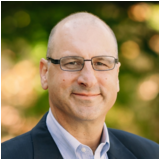 Gavin Barnard, Chief Scientific Officer, ATUM
Chief Scientific Officer
ATUMGavin joined ATUM as Chief Scientific Officer in 2026. He brings his expertise from decades in biotechnology, from drug discovery through cell line development. Previously, he held scientific leadership roles at Genentech/Roche, Eli Lilly, Merck, Adimab, and GlycoFi. Gavin earned his Ph.D. in Bioengineering from Dartmouth College in Dr. Tillman Gerngross’s lab and holds a Bachelor’s degree in Chemical Engineering from the University of Pretoria.
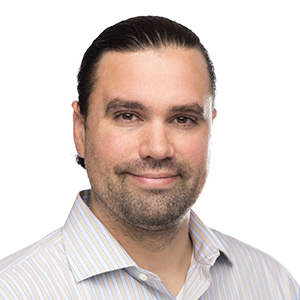 Michael B. Battles, PhD, Principal Scientist, Adimab, LLC
Principal Scientist
Adimab LLCMichael B. Battles, PhD, is a Principal Scientist at Adimab, LLC in Lebanon, NH, where he applies structural biology and protein engineering to antibody and therapeutic discovery programs targeting challenging therapeutic antigens, including membrane-obligate and multipass targets. His current focus includes T cell-engaging bispecifics and the structural characterization of antibody-antigen complexes to guide discovery and optimization. Prior to his current role, he completed his PhD in the laboratory of Dr. Jason McLellan at the Geisel School of Medicine at Dartmouth, where his thesis focused on small-molecule and antibody-mediated inhibition of RSV and hMPV fusion glycoproteins via biochemical and X-ray crystallographic methods. He brings over 15 years of industry experience spanning GlycoFi, Merrimack Pharmaceuticals, and Adimab, with sustained focus on antibody discovery, affinity maturation, and therapeutic candidate optimization from both in vitro and in vivo platforms.
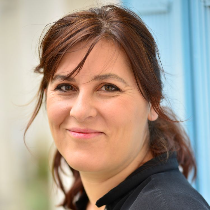 Cecile Bauche, PhD, CSO and Co-Founder, Alaya.bio
CSO and Co-Founder
Alaya.bioCécile Bauche completed her PhD. in Molecular Biology and Biochemistry at Paris University. After post-doctoral fellowships in Paris (Institut Pasteur and ENS), she joined Theravectys in 2007, a spin-off of the Institut Pasteur, at the inception of the company. In 2011 she became the Chief Scientific Officer and in 2012, the authorization of a phase I/II clinical trial was granted for a therapeutic vaccine using lentiviral vector to treat HIV-positive patients. Following the success of the clinical trial (first in production, first in man), the company, under the leadership of Cécile BAUCHE, embarked on an ambitious development program in the oncology field and the construction of a GMP bioproduction unit dedicated to the manufacture of lentiviral vectors. Since January 2016, she decided to put her scientific expertise in immuno-oncology and gene therapy at the service of this new in vivo gene delivery platform, of which she is the inventor.
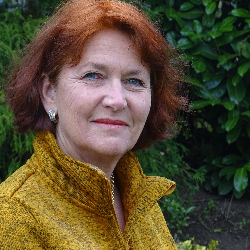 Karoline B. Bechtold-Peters, PhD, Director, Science & Technology, Drug Product Development Biologics, Novartis Pharma AG
Director, Science & Technology
Novartis Pharma AGDr. Karoline Bechtold-Peters is pharmacist and received her doctorate from the Ludwigs-Maximilians-University of Munich in Pharmaceutical Technology in 1994 for a thesis in the field of enteric-coated pancreatin pellets. In 1994, Karoline started at Boehringer Ingelheim in Ingelheim as Head of Laboratory in Solid Dosage Forms, focusing on powder inhalation therapeutics. In this context, Karoline was instrumental in the development of the blockbuster Spiriva. In 2000, she moved to the Business Unit Biopharmaceuticals of Boehringer Ingelheim and thus to Biberach to build-up Formulation Development of Therapeutic Proteins. In 2003 she was appointed 2003 Head of Global Clinical Supplies, Aseptic Process Development and Process Transfer. After several years in this position, Karoline moved to Basel, Switzerland, in 2011, to join Hoffmann La-Roche and was assigned Head of Drug Product Clinical Supply Center Basel within Global Biologics Europe and was responsible for the production of biopharmaceutical clinical supplies both for Roche and Genentech. It became her core task to ramp up the brand new clinical lines for sterile vials and syringes covering initial inspections and initial batch production from 2011 to 2013. The expansion of the production to Antibody-Drug-Conjugates followed. In 2016, Karoline joined Novartis Pharma AG in Basel to focus on more strategic and future-looking issues of Biopharmaceuticals as Senior Strategy and Technology Leader Pharmaceutics within Biologics Technical Development & Manufacturing (BTDM) and the team “BioFutureâ€. Since the reorganization of the Biologics business, Karoline has been part of the Scientific Offices Drug Product Development within Global Biologics & Cell and Gene Therapy as Director Science & Technology, representing the focus on Innovation and External Engagement. Karoline is member of the board of directors of International Association for Pharmaceutical Technology (APV). Besides this she is active in several international organisations such as EBE/EFPIA, AAPS and PDA, and is frequently invited to contribute to conferences and papers or books.
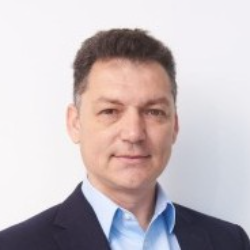 Alexey Berezhnoy, PhD, Senior Director, Immunology, Zymeworks
Sr Director
ZymeworksDr. Alexey Berezhnoy is a Senior Director of Immunology at Zymeworks, where he leads a group focused on developing novel therapeutic concepts for patients with serious, difficult-to-treat autoimmune diseases and cancer. With over 20 years of experience in immunology and immuno-oncology research, his work centers on innovative therapeutic approaches, including multispecific molecules and targeted therapies. Dr. Berezhnoy has authored multiple high-impact publications and has held leadership roles across both industrial and academic research institutions.
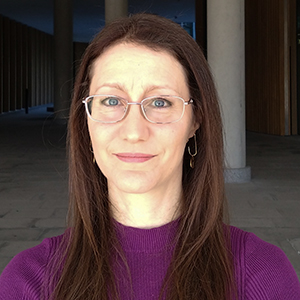 Elise Bernard, PhD, Associate Principal Scientist, AstraZeneca
Associate Principal Scientist
AstraZenecaElise Bernard completed her PhD in Chemistry at the ENSIC in Nancy, France, focusing on the synthesis of pseudopeptides. She held postdoctoral positions at the Royal College of Surgeons in Ireland, and at the MRC Laboratory of Molecular Biology in Cambridge where she joined Greg Winter’s team that founded Bicycle Therapeutics. Elise joined AstraZeneca (formerly MedImmune) in 2013 as a peptide chemist and brings expertise in peptide design and optimisation, synthesis and analytics, enabling portfolio progression from hit identification through candidate nomination. While supporting numerous cross-functional projects, she contributed to the chemical optimisation of three clinical-stage peptide candidates in the cardiovascular and metabolic disease areas.
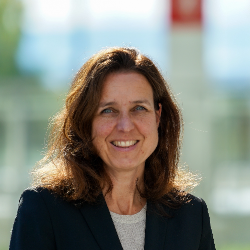 Goril Berntzen, PhD, Group Leader, Discovery, Nextera AS
Group Leader
Nextera ASGøril Berntzen is a molecular immunologist with experience spanning both academia and biotechnology industry. She received her PhD in Molecular Immunology from the University of Oslo and spent more than 10 years in academia, where her research centered on Fc receptor biology, including the discovery of Fc-mimetic peptides for targeting and probing Fc receptor functions. Prior to joining Nextera in 2013, she worked at Affitech, an antibody drug discovery company, where she contributed to the development of antibody discovery and screening platforms. As Lead Discovery at Nextera, Gøril leads discovery activities across oncology and autoimmune disease programs focused on the development of TCR-like antibodies targeting peptide-HLA complexes. Her work spans phage display-based discovery, screening platform and technology development, protein engineering, and characterization and validation of antibody candidates.
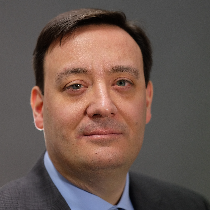 Stan Blein, PhD, Senior Director and Head, Protein Sciences & Analytics, AstraZeneca
Sr Director
AstrazenecaStanislas Blein, Ph.D., is Senior Director and Head of Protein Sciences & Analytics at AstraZeneca, with 20+ years in antibody discovery, engineering, and drug development. He co-leads biologics engineering and advances next generation ADCs and radioconjugates, while building a “lab of the future†with an automation first operating model and AI ready data to accelerate DMTA cycles. Previously, as Vice President and Head of Antibody Discovery & Engineering at Ichnos Sciences, he advanced first in class multispecifics, including the clinical trispecific ISB 2001. Earlier, he pioneered Glenmark’s BEAT® platform and contributed to advancing domain antibodies at Domantis–GSK. He holds multiple patents and serves as a long standing reviewer for mAbs.
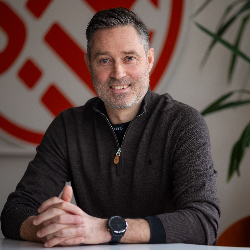 Ola Blixt, PhD, CEO, Combotrope Therapeutics
CEO
Combotope Therapeutics ApSOla Blixt, PhD, is co-founder and CEO of Combotope Therapeutics, where he leads the development of a next-generation antibody discovery platform targeting tumor-specific glyco-epitopes. With 20+ years of experience in glycoscience and antibody engineering, he has pioneered approaches to generate high-affinity, tumor-selective antibodies suitable for ADC, cell therapy, and radioligand applications, and is actively advancing partnerships with pharma to translate these into clinical assets.
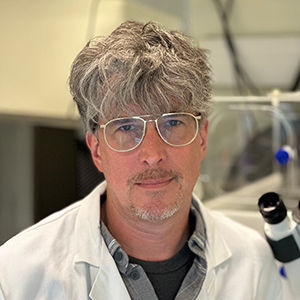 Greg Boel, PhD, Principal Investigator, CNRS
Principal Investigator
CNRS / Université Paris CitéGrégory Boël is a Research Director at the Laboratory of Physiology and Regulation of Protein Synthesis, a joint unit of the CNRS and Université Paris Cité. The lab is located at the Institute of Physico-Chemical Biology in the heart of Paris.
He began his career as a bacterial molecular geneticist before shifting his focus to human-pathogen interactions. He spent over a decade at Columbia University, collaborating with structural biologists in the laboratory of J.F. Hunt. During this time, he characterized a novel family of translation factors conserved from bacteria to humans. He also leveraged structural protein expression pipelines to develop innovative sequence optimization methods aimed at increasing protein production yields.
For more than a decade, his research group has been dedicated to improving sequence optimization and unraveling the molecular mechanisms underlying bottlenecks in protein expression. His team employs a multidisciplinary approach, integrating genetics, molecular biology, biochemistry, and structural biology.
 Thomas Boeldicke, PhD, Project Leader, Structure & Function of Proteins, Helmholtz Center for Infection Research
Project Leader
Helmholtz Ctr for Infection ResearchAssociate Prof. Thomas Böldicke developed intrabodies against tumor antigens, particularly against tumor angiogenesis, rhabdyomyosarcoma and recently against TLR2 and TLR9 in pancreatic cancer. He edited two books: “Protein Targeting Compounds†with Springer (2016) and “Antibody Engineering†with IntechOpen (2017). He has published 51 manuscripts.
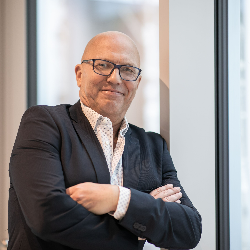 Louis Boon, PhD, CSO & Board Member, JJP Biologics
CSO & Board Member
JJP BiologicsLouis is the CSO and Management Board Member of JJP Biologics, an innovative new Polish Company backed by the Starak family. JJP Biologics develops the next-generation of novel therapeutic biologics around personalized medicine and companion diagnostics (JJP Biologics: Overview | LinkedIn). Louis obtained his Ph.D. in Biochemistry at the University of Amsterdam. He was the founder of various companies focused on the generation and development of therapeutic monoclonal antibodies, primarily in the field of cancer and inflammation. He held positions as CSO for Polpharma Biologics, Epirus Biopharmaceuticals, Bioceros, MacroZyme BV, 4AZA Bioscience NV, FF Pharma, and VP preclinical for PanGenetics BV and Tanox. Louis is an author of over 350 publications in international scientific journals in the field of medical immunology/biotechnology and an inventor of more than 20 patent applications.
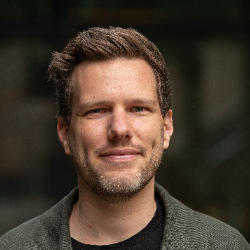 Simon Bornschein, CEO, Coding Bio
CEO
Coding BioDr. Bornschein is the Founder and CEO of Coding Bio, where he leads the development of AI-guided, next-generation immunotherapies. He previously directed immunotherapy programs at Celyad and Quell Therapeutics, focusing on engineered CAR-T and immune-modulating biologics. Dr. Bornschein holds a PhD in Cancer Immunology and is pioneering the integration of functional immune data and machine learning to accelerate therapeutic design and translation into the clinic.
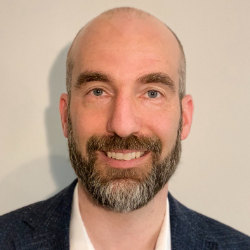 Andreas Bosshart, PhD, Senior Director, Oncology Research, Lead Generation, Molecular Partners AG
Senior Director, Oncology Research
Molecular Partners AGAndreas Bosshart is Senior Director at Molecular Partners heading the DARPin technology platform in the lead generation department. In previous roles he co-developed different therapeutic modalities, including a DARPin ProDrug T cell engager and the Switch-DARPin platform. Andreas is a biochemist by training and obtained his PhD from the ETH Zurich in the group of Professor Sven Panke, working on intensified enzyme-catalysed processes for the production of fine chemicals.
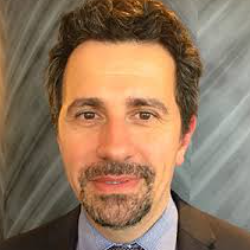 Adrian Bot, MD, PhD, Former CSO, Executive Vice President, R&D, Capstan Therapeutics
Chief Scientific Officer & Executive Vice President
Capstan Therapeutics
 Andrew R.M. Bradbury, MD, PhD, CSO, Specifica, an IQVIA business
CSO
Specifica, Inc.Andrew Bradbury is Chief Scientific Officer of Specifica. He trained in medicine at the universities of Oxford and London and received his PhD from the university of Cambridge at the MRC Laboratory of Molecular Biology under the guidance of Nobel Laureate, Cesar Milstein. He has worked in the fields of phage and yeast display, library generation, antibody engineering and Next Generation Sequencing for over thirty years. He was a Group Leader at Los Alamos National Laboratory before founding Specifica. Specifica's mission is to enable companies developing therapeutic antibodies with the world’s best antibody discovery platform.
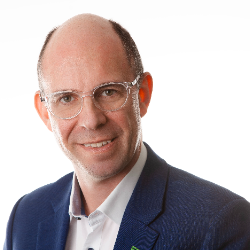 Cedrik M. Britten, CMO, Immatics Biotechnologies GmbH
CMO
Immatics Biotechnologies GmbHCedrik M. Britten, MD has served as Chief Medical Officer of Immatics since 2020, assuming leadership for the management and global clinical development of Immatics’ TCR T cell therapy and TCR bispecifics pipeline from first testing in humans to registration-enabling trials, including managing regulatory affairs. Cedrik served as Vice President and Head of the Oncology Cell Therapy Research Unit of GlaxoSmithKline plc from 2015 to 2020, and was responsible for building the Oncology Cell Therapy Unit, driving the strategy and establishing the end-to-end capabilities required to research and develop innovative cell therapies in oncology. Prior to that, Cedrik served as Vice President of Research and Development of BioNTech RNA Pharmaceuticals GmbH. Cedrik holds an MD from the University Medical Center of the Johannes-Gutenberg University.
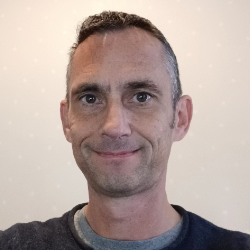 David J. Brockwell, PhD, Professor, School of Molecular and Cellular Biology, University of Leeds
Prof
Univ of LeedsProfessor Brockwell is an academic in the School of Molecular and Cellular Biology and a member of the Astbury Centre at the University of Leeds in the UK. He undertook his undergraduate studies (Pharmacy) and PhD at the University of Manchester, before joining Leeds first as post-doctoral researcher and then as a Faculty member. Current research focusses on understanding the effects of force on protein structure and function and the aggregation of therapeutic and disease-causing proteins.
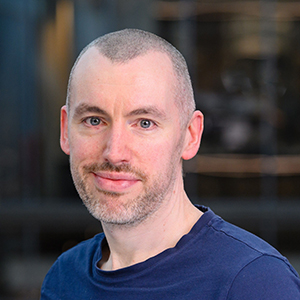 Adam Brown, Professor of Biopharmaceutical Engineering, University of Sheffield; Co-Founder, Silvia Bio and Syngensys
Professor
Univ of SheffieldAdam Brown is a Professor of Biopharmaceutical Engineering at the University of Sheffield. He is also a co-founder of SynGenSys and Silvia Bio.
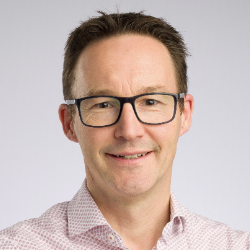 Andrew Buchanan, PhD, FRSC, Head of Discovery, Stealth Mode Biotech
SVP and Head of Discovery
Biotech in Stealth ModeAndrew Buchanan is SVP and Head of Discovery at a stealth-mode biotechnology company. He has extensive expertise in large molecule drug discovery and development, spanning target selection through first-in-human (FiH) studies. Andrew has led pipeline projects and multifunctional teams that have delivered over 20 FiH drug candidates in oncology, inflammation, and cardiovascular therapy areas, resulting in three marketed medicines to date. A key highlight of his career has been fostering interdisciplinary collaborations with academic and industry partners in AI/ML, PKPD, and translational biology. These efforts have led to new partnerships and over 50 original publications and patents. As a science leader, Andrew is passionate about mentoring early-career scientists and advancing the development of tomorrow’s medicines.
 Rogier Buijsman, PhD, CEO, Crossfire Oncology
CEO
Crossfire OncologyRogier Buijsman is Chief Executive Officer of Crossfire Oncology. He has more than 20 years of drug discovery experience. In 1998, he obtained his Ph.D. from the University of Leiden and started his career at Organon in the medicinal chemistry department and initiated many successful kinase research programs at Organon/MSD. In 2011, he co-founded NTRC and initiated a research program on TTK inhibitors that was licensed to Basilea in 2018 and has entered phase I clinical trials in 2023. In 2021, he started Crossfire Oncology, a company dedicated to developing degrader antibody conjugates.
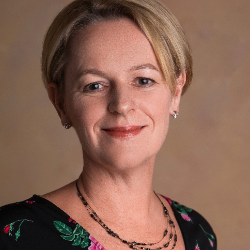 Nicola Burgess-Brown, PhD, Professorial Research Fellow, UCL, London; COO, Protein Sciences, Structural Genomics Consortium
Professorial Research Fellow
University College LondonNicola earned her Ph.D. in Molecular Microbiology from the University of Nottingham and began her career in industry, working on high-throughput cloning and therapeutic cancer antigen validation at Oxford Glycosciences and Celltech R&D. She spent 17 years at the University of Oxford, leading the Biotechnology Group at the Structural Genomics Consortium (SGC) and became Associate Professor and Head of the Protein Production Small Research Facility at the Centre for Medicines Discovery. From 2021–2023, she directed the Enzymology and Protein Engineering Team at Exact Sciences Innovation, focusing on proteins for cancer diagnostics. She is now Professorial Research Fellow and COO of Protein Sciences at the SGC, based at UCL, London.
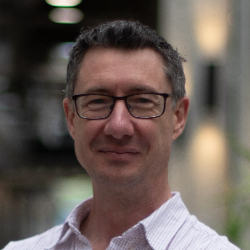 Mark Bushell, PhD, Director, Technology, Maxion Therapeutics Ltd.
Dir of Technology
Maxion Therapeutics LtdDr Mark Bushell, Director of Technology at Maxion Therapeutics, and his team are developing the next generation of Maxion’s proprietary KnotBody platform to unlock the potential of these novel biologics to target ion channels and other integral membrane proteins. Mark has over 15 years’ experience in biologics drug discovery, with a particular focus on platform and process improvement. His work has included developing rapid, high-throughput methods that allows antibody generation and screening in days rather than weeks. In recent roles at Antiverse and Agenus he has used these tools to explore the interface between computational design and high throughput screening to accelerate the discovery and development of novel biologics.
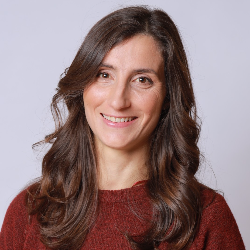 Sofia B. Carvalho, PhD, Principal Scientist, Animal Cell Technology, Instituto de Biologia Experimental Tecnologica (iBET)
Principal Scientist
iBET - Instituto de Biologia Experimental TecnologicaI am a Principal Scientist at the Sanofi satellite laboratory within the Animal Cell Technology Unit of iBET’s Health and Pharma division, where I have been working since 2018. With over 10 years of experience in the biotechnology industry, my expertise is in biologics manufacturing, with a strong focus on downstream processing and analytical development, from mAbs and viral vectors to cell & gene therapy products. My work bridges bioprocess engineering, bioanalytics, and process integration, enabling a deeper understanding of how process parameters impact process performance and product quality. I hold a BSc (2009) and MSc (2011) in Biochemistry from FCUL (PT) and completed a PhD in Biotechnology at ITQB NOVA in collaboration with iBET (2018, PT), developing downstream processes and analytical strategies for Influenza VLP vaccine candidates. My PhD training included research internships at the Max Planck Institute (Germany) and PALL Life Sciences (UK). In 2018, I joined GenIbet Biopharmaceuticals as a Project Manager, working on viral process development and cGMP manufacturing, before returning to iBET to help establish the Sanofi Satellite Lab. Since then, I have contributed to advancing bioprocess understanding and expanding bioanalytics capabilities for rAAV and mAbs, while coordinating projects in analytical development for viral based vaccines, CAR related applications, and pDNA process optimization for mRNA manufacturing. I have extensive experience in managing collaborative projects with the biopharmaceutical industry and ensuring effective process and analytics tech transfer. Since 2023, I have led iBET’s Bioanalytics Scientific Committee, coordinating scientific strategy and bioanalytics development. I have authored 21 peer reviewed publications (616 citations, h index 15), delivered more than 25 scientific presentations, participated in publicly funded R&D projects (FCT, EC), acted as PI on two iBET funded projects, and supervised MSc students and research fellows.
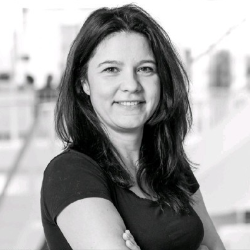 Nesrine Chakroun, PhD, Director, Gyes BV
Director
Gyes BVNesrine obtained her PhD in Protein Biophysics and Computational biology from King's College London. She joined the Early Discovery group at Merus in 2017. Her work focuses on the design, characterization and optimization of multispecific antibodies.
 Ross Chambers, VP Antibody Discovery, Antibody Discovery, Integral Molecular
VP Antibody Discovery
Integral MolecularRoss is the Vice President of Antibody Discovery at Integral Molecular. He has over 20 years of experience in antibody discovery, including pioneering the use of DNA immunizations and high-throughput antibody discovery for challenging targets. Ross earned his Ph.D. from the University of Otago, New Zealand, and did post-doctoral studies at UC Davis and Berkeley. Before joining Integral Molecular, he was the Director of R&D at SDIX and directed the discovery of thousands of commercial antibodies.
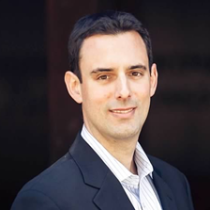 Javier Chaparro-Riggers, PhD, Executive Director, BioMedicine Design, Pfizer Inc.
Executive Director
PfizerJavier joined Pfizer in 2007, and is leading the BioTherapeutic Discovery department within Biomedicine Design. He is responsible for leading biotherapeutic discovery work, including lead generation and optimization, biophysical characterization, and non-GLP biotherapeutic production. During his tenure at Pfizer he worked on conventional/bispecific/trispecific antibodies, antibody-cytokine fusions, antibody drug conjugates, CAR T cells, oncolytic viruses, and mRNA therapies. Javier is interested in understanding the underlying biology of drug design and delivery and engineering solutions for challenges associated with developing the next generation of biotherapeutics.
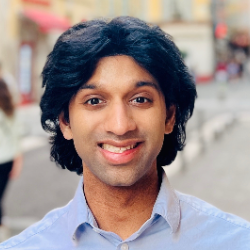 Pranam Chatterjee, PhD, Assistant Professor, Bioengineering, University of Pennsylvania
Assistant Professor
University of PennsylvaniaPranam Chatterjee is an Assistant Professor of Bioengineering and Computer and Information Science and the Africk-Lesley Distinguished Scholar of Innovation at the University of Pennsylvania. Having earned his SB, SM, and PhD from MIT, Professor Chatterjee has received the MIRA Award, Hartwell Individual Biomedical Research Award, and multiple NIH and foundation grants for his work. He has also co-founded Gameto, Inc., UbiquiTx, Inc., AtomBioworks, Inc., and Recognition Bio, Inc., which translates his research into fertility solutions, RNA medicines, and cancer therapeutics, respectively.
 Mark L. Chiu, PhD, President, Qilin Glen LLC
President
Qilin Glen LLCMark is a co-founder of Qilin Glen LLC. He was Chief Scientific Officer at Tavotek Biotherapeutics. He has nearly 35 years of experience in new drug discovery for AbbVie/Abbott Laboratories and Janssen. Prior to joining Tavotek, Dr. Chiu was the Head of the Process Analytical Sciences at Biotherapeutics Development and Head of Antibody Engineering in the Biologics Research Department at Janssen, the pharmaceutical branch of Johnson & Johnson (JNJ). His leadership resulted in more than 15 New Molecular Entities with 6 projects transitioning from Phase 1 to Phase 3 trials with 4 approved drugs. Dr. Chiu received his A.B. in Biophysics from University of California at Berkeley; Ph.D. degree from the University of Illinois at Urbana-Champaign, and then completed postdoctoral training at the Laboratory of Physical Chemistry at the Federal Institute of Technology at Zurich, Switzerland and the Department of Microbiology at the University of Basel Biocentre.
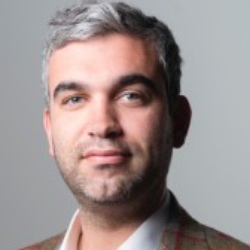 Peter Clark, PhD, Vice President, Computational Drug Design, Novo Inc.
VP Computational Drug Design
Novo IncPeter Clark, PhD is the Head of Computational Drug Design at Novo Nordisk, where he heads a global team of computational scientists focused on applying state-of-the-art computational approaches, platforms & tools to accelerate the discovery and development of differentiated therapeutics in order to sustain the portfolio pipeline across all therapeutic modalities through in silico molecular design and optimization. Prior to joining Novo Nordisk, Peter served as the Global Head of Computational Science & Engineering within the Therapeutics Discovery (TD) organization of Johnson & Johnson Innovative Medicines, where he led a team of wet and dry lab scientists working to develop novel drug discovery platforms and capabilities across the pharmaceutical value chain; supporting the advancement of several NMEs per year across therapeutic modalities. Prior to joining Johnson & Johnson, Peter served as the Director of Bioinformatics at the University of Pennsylvania, Perelman School of Medicine, where he worked closely with academic and commercial collaborators on the design, optimization, and evaluation of various gene therapy assets from early research and development through commercially partnered IND enabling clinical studies. Peter is also trained in clinical molecular genetics (The Children’s Hospital of Philadelphia), earned his B.Sc. and Ph.D. from Drexel University, School of Biomedical Engineering and has completed a postdoctoral fellowship at The Center for Computational Medicine at Thomas Jefferson University. Peter’s diverse expertise in computer science, engineering, clinical molecular genetics, computational biology, and translational research has led to the publication of over 60 peer-reviewed scientific publications as well as three book chapters, several issued patents and three biotechnology spin-off companies.
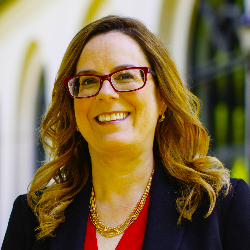 Jennifer R. Cochran, PhD, Macovski Professor of Bioengineering, Stanford University; Co-Founder, Red Tree VC
Macovski Professor of Bioengineering, Stanford University, & Co-Founder Red Tree VC
Stanford UniversityJennifer’s passion lies in developing innovative medicines for applications in oncology, immunology, and regenerative medicine, within both academia and industry. She was recruited in 2005 as one of the founding faculty members in Stanford’s Bioengineering department, served as its Chair from 2017-2022, and is the Macovski Professor of Bioengineering and (by courtesy) Chemical Engineering. In addition to her faculty roles, she served as Senior Associate Vice Provost for Research at Stanford from 2023-2026 and is currently Vice President for SLAC National Accelerator Laboratory and for Strategic Initiatives at Stanford. A serial innovator and entrepreneur, she founded several companies including xCella Biosciences (acquired by Ligand (LGND), now OmniAb (OABI)), Combangio (acquired by Kala Pharmaceuticals), TwoStep Therapeutics, Threefold Therapeutics, and Photinia Biosciences.
In 2020, Jennifer co-founded Red Tree Venture Capital, a west coast-centric, early-stage biased life sciences investment firm, and serves as Chief Scientific Advisor. She strives to drive impact through her board roles at OmniAb, Excellergy Therapeutics, Rondo Therapeutics, Kivu Bioscience, Biograph55, Ebvio, and Revel Pharmaceuticals. Dr. Cochran obtained her Ph.D. in Biological Chemistry from MIT and completed postdoctoral fellowships at MIT in Biological Engineering and at UPenn in Biophysics. She was inducted as a fellow to the American Institute for Medical and Biological Engineering (AIMBE) and the National Academy of Engineering, the latter with a citation for “contributions to biopharmaceutical protein discovery and development, biotechnology entrepreneurship, and leadership in academic bioengineering.
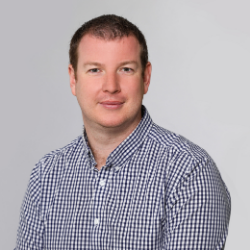 David Cole, Head of Research, Accession Therapeutics Inc.; Honorary Professor, Cardiff University
Head of Research
Accession Therapeutics Inc.Prof David Cole has >20 years’ experience in developing unique immunotherapies and has contributed to several novel clinical assets, including a marketed first in class bispecific T cell engager. In his current role, David has established an exciting platform of protein-based immunotherapies, including reagents with broad specificities that can only be administered to patients using Accession Therapeutics patented tumor selective viral gene expression platform (TROCEPT).
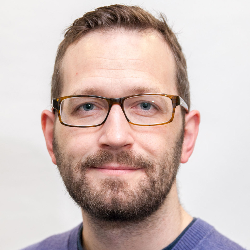 Christopher Cooper, DPhil, Senior Lecturer in Biotechnology, University of Surrey
Senior Lecturer in Biotechnology
University of SurreyChris joined the University of Surrey in 2026 and is also the Founder of Enzymogen Consulting, focusing on supporting the biotechnology and pharma community in protein and molecular biology platform development, and also business development for companies looking to access this space. Prior to this, Chris spent a number of years in industry, having joined CHARM Therapeutics, an AI-driven biotech company as Director and Head of Protein Sciences in 2022. Chris was also the Director of Protein Science at Peak Proteins, but for most of his career he has studied the biochemistry and structural molecular biology of DNA repair and replication. He was a Senior Lecturer in Biological Sciences at the University of Huddersfield for 6 years and performed his postdoctoral research at the University of Oxford, working at the Structural Genomics Consortium and Sir William Dunn School of Pathology. During this period Chris was also a College Lecturer in Biochemistry at The Queen’s College, and a Junior Research Fellow at Linacre College.
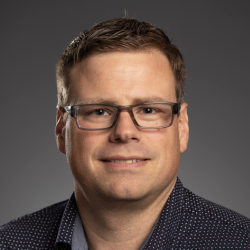 Christopher R. Corbeil, PhD, Research Officer, Human Health Therapeutics, National Research Council Canada
Research Officer
National Research Council CanadaDr. Christopher Corbeil is a research officer at the National Research Council Canada (NRC) who specializes in the development and application of computational tools for biotherapeutic design and optimization. He is also an associate member of the McGill Biochemistry Department and teaches classes in Structure-Based Drug Design at McGill University. After receiving his PhD from McGill University, he joined the NRC as a Research Associate investigating the basics of protein-binding affinity. Following his time at the NRC he joined Chemical Computing Group as a research scientist developing tools for protein design, structure prediction, and binding affinity prediction. He then decided to leave private industry and rejoin NRC with a focus on antibody engineering. Dr. Corbeil has authored over 30 scientific articles and is the main developer of multiple software programs.
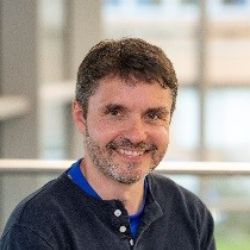 Mark S. Cragg, PhD, Professor, Experimental Cancer Biology, Antibody and Vaccine Group, School of Cancer Sciences, University of Southampton
Professor, Experimental Cancer Biology
University of SouthamptonMark Cragg is Professor of Experimental Cancer Biology in the School of Cancer Sciences at the University of Southampton Faculty of Medicine. His research concerns how therapeutics result in tumour regression with a focus on antibodies and small molecules, with a particular interest in Fc receptors and TNFR family members. The aim is to understand how these therapeutics delete tumour cells, how resistance occurs, and how it might be overcome through antibody engineering. He sits on advisory boards for several charities and institutes, provides advice to several Biotech/Pharma companies, and has published over 200 research papers.
 Alison Crawford, PhD, Director, Immuno-Oncology, Regeneron Pharmaceuticals
Director
Regeneron PharmaceuticalsDr. Alison Crawford is a Director of immuno-oncology at Regeneron Pharmaceuticals, Inc. She has over 18 years of immunology research experience, including 14 years in the pharmaceutical industry. At Regeneron Pharmaceuticals, her team is responsible for IND-enabling in vivo studies with bispecific antibodies for solid tumor indications. She led the in vivo pre-clinical research efforts on REGN4018 (MUC16xCD3), REGN5668 (MUC16xCD28), and REGN4336 (PSMAxCD3) to advance the antibodies through to IND submission. Dr. Crawford completed her BSc in Immunology from Glasgow University before being admitted to the Wellcome Trust Ph.D. program at Edinburgh University where she focused on T cell memory. Her post-doctoral work at the University of Pennsylvania examined T cell exhaustion during chronic viral infection and the use of checkpoint blockade to alleviate this exhaustion.
 Tilbe Creigh-Pulatmen, PhD, Assoc Dir, Protein Engineering & Novel Modalities - Oncology ICC, AstraZeneca
Assoc Dir
AstraZeneca
 Silvia Crescioli, PhD, Independent Consultant
Independent Consultant
Independent ConsultantSilvia Crescioli is an independent consultant specializing in business intelligence and science communication for antibody therapeutic research and development. Drawing on her background as an antibody engineer and cancer immunologist, she combines scientific expertise and analytical insight to support innovation, knowledge exchange, and informed decision-making in the antibody research field. Since 2021, she has contributed to the Antibodies to Watch editorials in mAbs alongside Janice M. Reichert, serving as first author for the past three issues (since 2024).
 Rebecca Croasdale-Wood, PhD, Senior Director, Augmented Biologics Discovery & Design, Biologics Engineering, Oncology, AstraZeneca
Senior Director Augmented Biologics Discovery & Design
AstraZenecaRebecca is an innovative leader responsible for the implementation of novel and disruptive in silico technologies to increase the speed of discovery and quality of biologics therapeutics. She is an experienced antibody engineer with structural biology expertise and was co-inventor of the CrossMab technology that is now leading the way in approvals for multi-specific antibody therapeutics. She has authored 30+ patents and publications in the field of antibody engineering.
 Kevin Dahl, Director Pharmaceutical Products and Applications, Sales and Marketing, Photothermal Spectroscopy Corp
Director Pharmaceutical Products and Applications
Photothermal Spectroscopy CorpKevin has been involved in particle characterization for more than 20 years, most recently as Director of Particle Services at KBIBiopharma, Inc., supporting both small and large molecule pharmaceutical clients, as well as Founder of his own consulting company, Particlese. Kevin held prior Scientific and Product Management roles with Malvern Instruments.
 Alperen Dalkiran, PhD, Postdoctoral Research Associate, School of Informatics, University of Edinburgh
Postdoctoral Research Assoc
Univ of EdinburghMy research focuses on machine learning methods for diverse biological datasets, with applications ranging from drug-target interaction prediction to enzyme function classification. During my PhD at Middle East Technical University in Turkey, I worked on deep learning approaches such as transfer learning and self-supervised learning to improve predictive models in bioinformatics, even when data is limited. My work spans various tasks, including predicting enzyme commission numbers, exploring molecular interactions and predicting molecular properties. At Edinburgh, I work on learning algorithms for the design of DNA parts using large genotype-phenotype data.
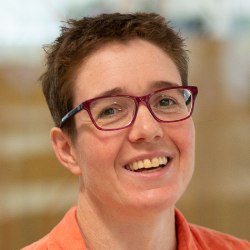 Charlotte M. Deane, PhD, Professor, Structural Bioinformatics, Statistics, University of Oxford; Executive Chair, Engineering and Physical Sciences Research Council (EPSRC)
Prof Structural Bioinformatics
Oxford UniversityCharlotte Deane MBE FRS is Professor of Statistics at the University of Oxford, Executive Chair of the Engineering and Physical Sciences Research Council (EPSRC) and Co-Founder of Dalton Tx. She leads the Oxford Protein Informatics Group, developing open-access algorithms and tools widely used in academia and industry for drug discovery. A member of SAGE during the COVID-19 pandemic, she also served as UKRI’s COVID-19 Response Director. Charlotte is a Fellow of both the Royal Society and International Society for Computational Biology, and advises on the UK’s AI for Science strategy and the £8 million OpenBind initiative advancing AI-driven drug discovery.
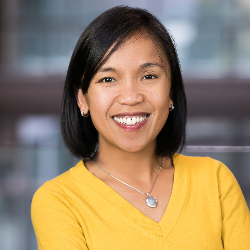 Josefa dela Cruz-Chuh, Scientist 4, Biochemical and Cellular Pharmacology (BCP), Genentech
Scientist 4
Genentech IncJosefa dela Cruz-Chuh is a Scientist 4 in the Biochemical and Cellular Pharmacology Department at Genentech, a member of Roche. She has 20 years of biotech industry experience developing innovative high-throughput in vitro functional assay platforms to elucidate the mechanisms of action of different antibody therapeutics. She established the immune cell engager platform with imaging-based screening assays measuring the kinetics of T-cell-mediated tumor cell killing, cytokine production, and immune cell marker phenotyping for bispecific antibodies and TCR-T cell therapies. She has also developed high-throughput functional assays for screening the in vitro potency of antibody-drug conjugates (ADCs) and understanding intracellular processing and drug release using LC/MS/MS. Prior to joining Genentech, Josefa worked at the Children’s Hospital Oakland Research Institute studying infectious diseases. Josefa attended UC Berkeley, where she studied Molecular and Cell Biology with an emphasis in Biochemistry.
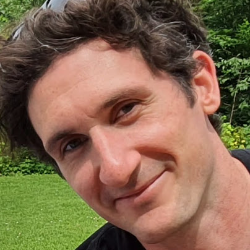 Samuel Demharter, PhD, Senior Data Scientist, Discovery Data Science and Protein Science & Technologies, Genmab
PhD
GenmabSamuel Demharter works as a Senior Data Scientist at Genmab in Copenhagen, focusing on using AI and machine learning to support the development of new biologic therapies. Samuel has contributed to various projects that aim to enhance the functionality and developability of biologic drugs. Before joining Genmab, he worked at Abzu, where he worked on a range of different AI projects with Danish and international companies and hospitals. Samuel's experience includes work at Lundbeck, where he was involved in target discovery and biomarker projects. He holds a PhD from the University of Oxford, with a focus on systems biology.
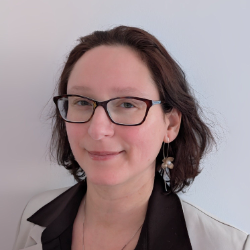 Genevieve Desjardins, PhD, Associate Director, Protein Engineering, Zymeworks
Associate Director
Zymeworks IncGenevieve Desjardins is the Associate Director of Protein Engineering at Zymeworks, where she contributes to the discovery and development of next-generation multispecific antibody therapeutics. Her work in protein engineering has supported multiple clinical-stage programs, including Ziihera® (zanidatamab), a biparatopic HER2 targeted antibody, ZW171, a mesothelin targeted T cell engager, as well as ZW209, a DLL3-targeted T cellengager with CD28 co-stimulation. Her contribution spans from early discovery through IND filing with a focus on engineering robust therapeutic molecules to tackle complex biological problems. Genevieve has over a decade of industry experience working on antibody drug development, platform engineering and leading programs across oncology and immunology indications. Her contributions have helped drive innovative approaches to multispecific design, including optimization of format, affinity, stability, and manufacturability. Genevieve is passionate abouttranslating cutting-edge protein engineering technologies into impactful medicines for patients and actively engages in scientific collaboration and knowledge sharing within the biotech community.
 Federico Devalle, PhD, Senior Data Scientist, AstraZeneca
Senior Data Scientist
AstraZenecaFederico Devalle received an M.Sc. in Physics of Complex Systems from the Polytechnic University of Turin and a Ph.D. in Physics from Universitat Pompeu Fabra (Barcelona) and Lancaster University (UK). Following a postdoctoral position in the Computational Neuroscience Group at the Centre de Recerca Matemà tica in Barcelona, he joined AstraZeneca in 2024 as a Senior Data Scientist in the Biopharmaceutical Development Department. His research interests include applications of machine learning methods to predict the developability of biologics.
 Bryan Dickinson, PhD, Assistant Professor, Department of Chemistry, University of Chicago
Professor
University of ChicagoBryan Dickinson earned his BS in Biochemistry from the University of Maryland, College Park and his PhD in Chemistry from the University of California at Berkeley for work performed with Professor Christopher Chang. His graduate work focused on the synthesis and application of small molecule fluorescent probes for the detection of hydrogen peroxide in living systems. Then, as a Jane Coffin Childs Memorial postdoctoral fellow with Professor David Liu at Harvard University, he developed new methods to rapidly evolve proteins to perform novel functions. Bryan joined the faculty at the University of Chicago in the Department of Chemistry in the Summer of 2014 and is a member of the University of Chicago Comprehensive Cancer Center. He was promoted to Associate Professor in 2019. The Dickinson Group employs synthetic organic chemistry, molecular evolution, and protein design to develop molecular technologies to study chemistry in living systems. The group's current primary research interests include: 1) how lipid modifications on proteins are controlled and regulate cell signaling, 2) developing new evolution technologies to reprogram and control biomolecular interactions, and 3) engineering systems to understand and exploit epitranscriptomic, RNA regulation. The motivating principle of the Dickinson Group is that our ability as chemists to create functional molecules through both rational and evolutionary approaches will lead to new breakthroughs in biology and biotechnology.
 Steffen Dickopf, PhD, Senior Director, Immuno-Oncology, VERAXA Biotech GmbH
Senior Director
VERAXA Biotech GmbHSteffen Dickopf is Senior Director Immuno-Oncology at VERAXA Biotech, a clinical-stage company advancing next-generation antibody-based cancer therapies. VERAXA leverages its proprietary BiTAC platform to develop bispecific T-cell engagers and ADCs designed for selective tumor activation, with the goal of improving efficacy and safety. Prior to joining VERAXA, Steffen held positions of increasing responsibility in antibody discovery and Immuno-Oncology at Roche pRED and MorphoSys. He earned his PhD from LMU Munich.
 David J. DiLillo, PhD, Executive Director, Immuno-Oncology, Regeneron Pharmaceuticals
Executive Director
Regeneron Pharmaceuticals IncDavid DiLillo is a Senior Director in the Immuno-Oncology department at Regeneron Pharmaceuticals in New York, where he leads a team developing novel immunotherapies to treat cancer. His team is responsible for target discovery and the preclinical development of immune cell-engaging multi-specific antibodies to treat liquid and solid tumors. His team also develops cell-based therapies and works to understand detailed mechanisms-of-action of immunotherapies in order to advance next-generation therapeutics. Dr. DiLillo holds a PhD in Immunology from Duke University, where he studied non-classical B cell effector functions, and he completed his postdoctoral studies in Fc-receptor biology at the Rockefeller University.
 Joerg Distler, MD, Director of Rheumatology, Hiller-Research Center, University Hospital Düsseldorf, Heinrich-Heine-University Duesseldorf
Director
Heinrich-Heine-University DuesseldorfJörg Distler is Director of the Department of Rheumatology and the Hiller Research Center at the University of Düsseldorf, Germany. His research focuses on tissue remodeling in inflammatory diseases, with a particular interest in systemic sclerosis (SSc). He published > 400 Pubmed-listed articles including contributions in Nature, Nature Medicine, Nature Immunology, Nature Communications, Journal of Experimental Medicine, Journal of Clinical Investigation and Science Translational Medicine with more than 32000 citations and an H-factor of 87. His work has a strong translational focus: Preclinical work from his group provided the scientific basis for several clinical trials in fibrotic diseases such as systemic sclerosis. He is principal investigators in numerous international clinical trials. He is CEO of 4D Science and Co-CEO of FibroCure, biotech companies dedicated to development of novel treatment strategies for fibrotic diseases.
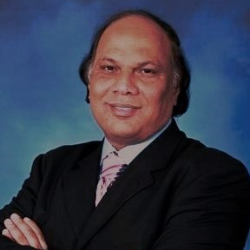 Rakesh Dixit, PhD, DABT, CEO & President, Bionavigen Oncology, LLC; CSO, TMAB Therapeutics, Regio Biosciences
CEO & President
Bionavigen Oncology, LLC and Regio BiosciencesRakesh Dixit is an accomplished executive, inventor, and scientist with over 35 years of success with top biotechnology and pharmaceutical companies, including Merck, Johnson & Johnson, and Medimmune - AstraZeneca. Currently, he is President and CSO of Regio Biosciences and Bionavigen, LLC. He is a Board Member of Regio Biosciences and a key member of multiple scientific advisory boards. Rakesh is also a chief adviser and consultant for more than 20 companies worldwide. His biopharmaceutical peers selected Rakesh as one of the 100 Most Inspiring People in the Pharmaceutical Industry by PharmaVOICE in 2015. Rakesh received the Most Prestigious Award of Long-Standing Contribution to ADCs by World ADC (Hanson-Wade), 2020. From 2006 to 2019, Rakesh was a Global Vice President of the Biologics R&D at Medimmune - AstraZeneca. Rakesh has unique expertise in developing biologics (e.g., monoclonal antibodies, bispecific biologics, antibody-drug conjugates, fusion proteins, peptides, gene and cell therapies, etc.) and small-molecule biopharmaceuticals. His areas of expertise include discovery, early and late preclinical development, safety assessment, DMPK, and translational sciences. Dr. Dixit conducted extensive graduate and post-graduate training in Pharmacology/Toxicology–Biochemistry with both Indian and USA institutions (e.g., Case Western Reserve University, Medical College of Ohio, University of Nebraska) and is a Diplomate and Board Certified in Toxicology from the American Board of Toxicology, Inc. since 1992.
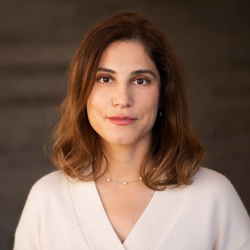 Ivana Djuretic, PhD, Founder & CSO, Asher Biotherapeutics
Founder & CSO
Asher BiotherapeuticsCo-founded Y combinator funded biotech start up; Immunology and immuno-oncology leader; Broad experience from discovery to preclinical and translational development including cell therapies and large molecules; Experienced manager and mentor of a team interfacing with protein engineering to select targets and develop appropriate modalities to candidate selection, IND submission and early clinical studies; Experience with hiring new teams, leading already established teams, and working cross-functionally on setting the research strategy and focus, and implementing and accelerating timelines; Track record of advancing the scientific understanding while driving projects to go/no-go decisions; bringing programs to the clinic in record time.
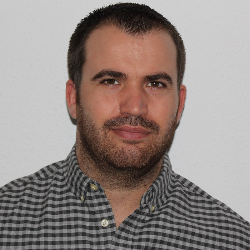 Nikolay Dobrev, PhD, Founder & CEO, Data Powered Therapeutics GmbH
Founder & CEO
Data Powered Therapeutics GmbHNikolay Dobrev is the Founder and CEO of Data Powered Therapeutics GmbH, where he is building an AI-native platform for high-throughput biophysical data generation to accelerate protein design. He holds a PhD in Protein Biochemistry and X-ray Crystallography from Heidelberg University and completed postdoctoral research at EMBL Hamburg. He later served as Head of Biology at Cinference, where he led the development of high-throughput workflows for validating AI-driven protein design campaigns. His expertise spans protein expression, purification, and multi-parametric characterization, with a focus on integrating automated wet-lab systems and scalable data generation to enable more predictive and generalizable AI models, particularly for challenging targets and VHH-based therapeutics.
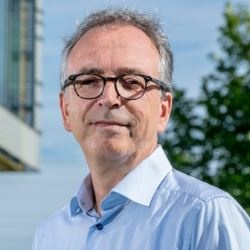 Wim H.A. Dokter, PhD, CSO, Byondis B V
CSO
ByondisWim has served as Chief Scientific Officer (CSO) of Byondis since 2019.
Wim is a seasoned scientist, having operated within the pharmaceutical and biotechnology industries for more than 20 years. He has a proven track record of leading large international and multidisciplinary teams in drug development programs that successfully reach key milestones, including delivery of several clinical drug candidates in oncology, autoimmunity and diabetes. Preceding his appointment as CSO, Wim was Executive Vice President, Preclinical at Synthon Biopharmaceuticals. Prior to this, he was Director of Pharmacology and Immunology Program Leader at Schering-Plough, which ultimately merged with Merck & Co. (MSD). Before this, he built his R&D career in a progression of roles at Organon. Wim has co-authored 50-plus peer-reviewed articles in scientific journals. He holds an MSc in (Bio)Chemistry and a PhD (cum laude) in Hematology and Oncology from the University of Groningen, the Netherlands.
 Jan Domanski, PhD, Senior Scientist, OpenFold
Senior Scientist
OpenFoldJan trained as a biochemist at Oxford (MBioch), working on molecular dynamics simulations with Mark Sansom and at D. E. Shaw Research. He co-founded Labstep (acquired by STARLIMS) before joining Charm Therapeutics as one of its early employees. At Charm, Jan led teams across software engineering and machine learning, developing the proprietary co-folding model DragonFold and working shoulder-to-shoulder with the discovery team — culminating in the nomination of Charm's Menin development candidate in 2025.
 Giacomo Domenici, PhD, Scientist, Advanced Cell Models for Drug Discovery and Translational Research, iBET Instituto de Biologia Experimental Tecnologica
Scientist
iBET Instituto de Biologia Experimental TecnologicaGiacomo Domenici holds a Ph.D. in Molecular Biology and Biomedicine (2017) from the University of the Basque Country (Spain), where he specialized in cancer cell biology with a particular focus on mechanisms of endocrine resistance in breast cancer.
In 2018, he joined the Laboratory of Advanced Cell Models, led by Dr. Catarina Brito within the Animal Cell Technology Unit at the Instituto de Biologia Experimental e Tecnológica (iBET), as a Postdoctoral Researcher. Since 2019, he has been serving as a Scientist in the same group.
His current research centers on the development and application of advanced 3D in vitro cell models for cancer and neuroscience, including their use in therapeutic antibody development and potency assessment. While breast cancer remains a major area of interest, his work has expanded to rare tumors such as Ewing’s sarcoma and gliomas.
Beyond his scientific contributions, he has been actively involved in industry-focused project management and the supervision of MSc and Ph.D. students. His broader research interests include innate immune responses, the tumor microenvironment, oncoimmunology, and the development of novel targeted cancer therapies.
 Feng Dong, PhD, Senior Principal Research Scientist, Immunology Discovery, AbbVie Cambridge Research Center
Sr. Principal Research Scientist
AbbVie Cambridge Research CenterFeng Dong, PhD is a Sr. Principal Research Scientist in Immunology discovery at AbbVie Cambridge Research Center. Dr. Dong received her PhD in Physics from Drexel University with an emphasis in computational biophysics. Following completion of her post-doctoral training in Washington University School of Medicine in St. Louis, Dr. Dong joined Merck Research Laboratory leading the therapeutic antibody design and engineering. In 2011, Dr. Dong moved to AbbVie to extend her research to Bi-/Multi-specific antibody discovery. Currently, Dr. Dong leads a group on design, engineering and generation of fit-for-purpose small molecules, peptides, antibodies, fusion proteins, novel biologics and cell lines to validate the novel therapeutic targets to treat autoimmune diseases, chronic infectious diseases and cancer. Dr. Dong has initiated and delivered several drug candidates into clinical trials. She is a co-author for peer reviewed articles and a co-inventor for several issued and filed US and international patents.
 Ben Dorgan, PhD, Senior Scientist, Valink Therapeutics
Senior Scientist
Valink TherapeuticsBen is a Principal Scientist at Valink Therapeutics, where he leads high-throughput screening for bispecific ADCs. Over the past five years he has built out the core technology behind the platform, now a fully automated discovery pipeline capable of screening thousands of complex biologic candidates a week. His current work spans onboarding new technologies, screen design, and triaging hits for lead development. Ben holds a PhD in structural biology and a background in protein engineering.
 Raphaelle Drean, PhD, Project Manager, Scientist, R&D, Affilogic
Project Manager, Scientist
AffilogicRaphaelle Dréan holds a PhD from Sorbonne University and Pasteur Institute, where she specialized in protein engineering and immunology. As an R&D Project Manager at Affilogic, she takes part to the development of therapeutic Nanofitins, which are small non-antibody scaffold affinity proteins. Her current main focus is to enhance neurological therapies by developing Nanofitins as a shuttle to cross the blood brain barrier. She also holds experience in antibody development and recombinant protein production processes from her work at Merck Life Science, France and the biotech company NeuClone, Australia.
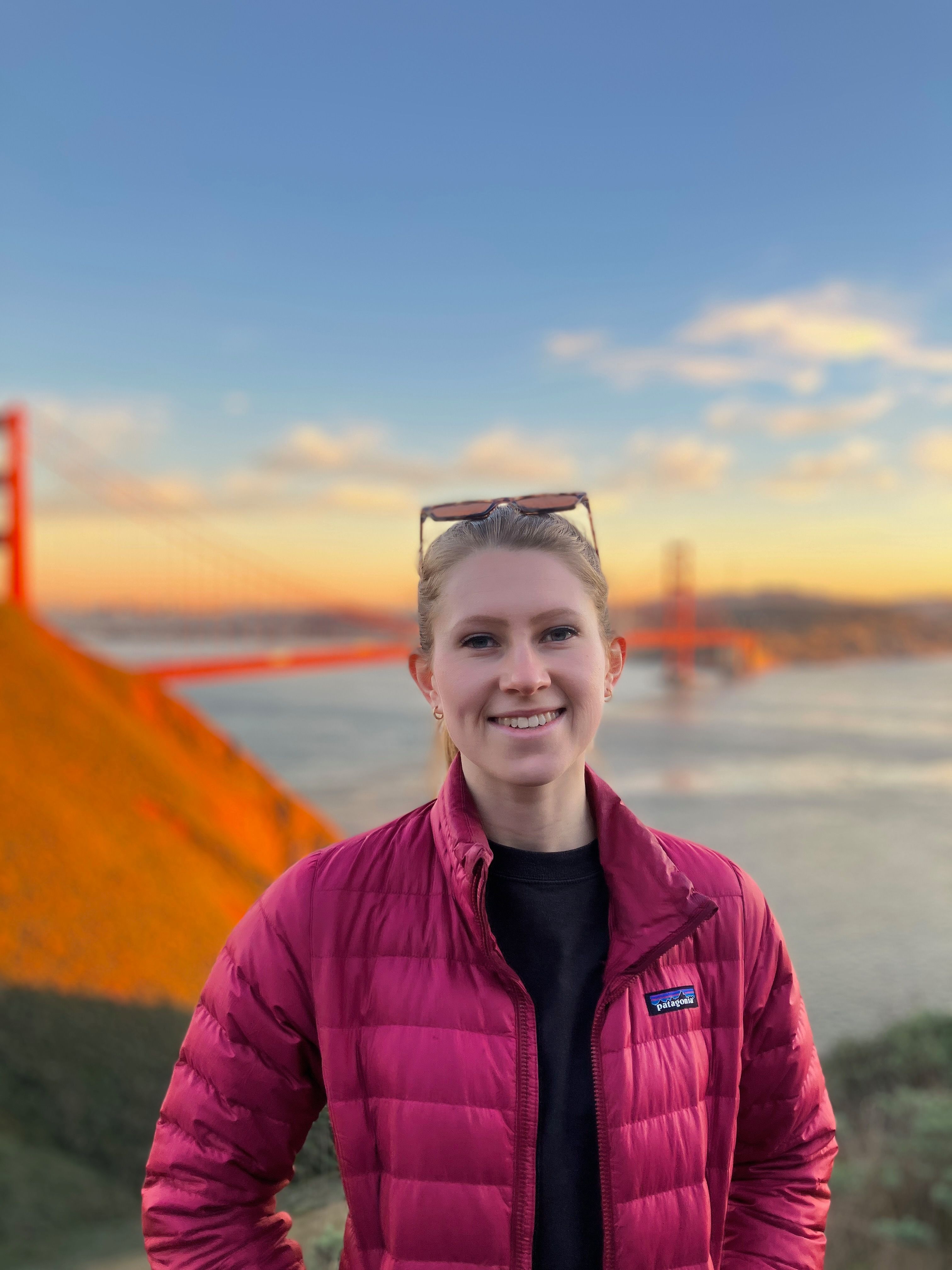 Claudia Driscoll, PhD, Postdoctoral Fellow, Generative Biology Institute, Ellison Institute of Technology
Postdoctoral Fellow
Ellison Institute of TechnologyClaudia Driscoll is a Postdoctoral Fellow at the Generative Biology Institute in Oxford, working at the interface of experimental biology, protein engineering and computational design. Her current work focuses on the synthesis, manipulation and experimental evaluation of large synthetic DNA, incorporating safeguards to support responsible advances in generative biology. Previously, at Stanford University and the Arc Institute, she helped develop and experimentally validate machine-learning-guided approaches for antibody design, including Germinal, a generative pipeline for epitope-targeted de novo antibody design, and antibodies engineered for resilience to antigenic evolution. She completed her DPhil at the University of Oxford, conducting part of her research at the University of Cambridge, where she developed modular bispecific antibody platforms to investigate and control cell-surface signalling. Throughout her work, she has focused on designing robust, scalable experimental workflows to evaluate computational methods and inform their refinement.
 Audrey Dubourg, Product Manager, Nuclera
Product Manager
NucleraAudrey earned her PhD in microbiology from the University of East Anglia, and completed her postdoctoral research at the University of California-Los Angeles. Transitioning to the Biotech sector, she helps leading biotech companies successfully implement pioneering technologies to accelerate discovery across the Life Science and pharmaceutical sectors.
With nearly a decade of experience, as a Product Manager for Nuclera, she uses her biology and biotech expertise to advance innovative technologies for Drug Discovery and Development.
 Michael Dyson, PhD, Vice President, Antibody Discovery & Engineering, Ichnos Glenmark Innovation
Vice President
Ichnos Glenmark InnovationMichael Dyson is Vice President, Antibody Discovery and Engineering at Ichnos Glenmark Innovation (IGI) responsible for the development of multi-specific immune engager therapeutics for cancer immunotherapy. He was previously Chief Technology Officer and co-founder at IONTAS Ltd, Head of Protein Engineering at Acambis plc (acquired by Sanofi), Project Leader at the Wellcome Trust Sanger Institute and held management positions in VC backed start-ups. He has either directly project managed or overseen multiple antibody discovery and development projects including 8 biologics in human clinical trials, author of multiple peer reviewed publications and inventor of 20 patents and patent applications. He holds a PhD in organic synthetic chemistry from the University of Birmingham with post-docs at MIT and the Universities of Edinburgh and Cambridge.
 Takashi Ebihara, COO, GeneFrontier Corp.
COO
GeneFrontier Corp.The COO of GeneFrontier since 2010, with a focus on advancing cell-free protein expression technologies, particularly the PURE system. Earned a Ph.D. in cell-free protein synthesis from Tokyo Institute of Technology in 2000, and played a key role in the establishment of GeneFrontier in 2003, leveraging his deep expertise in cell-free protein synthesis following experience in life science venture capital.
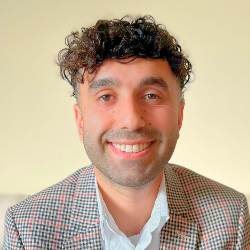 Sasha B. Ebrahimi, PhD, Scientific Leader, Emerging Drug Delivery Platforms, GlaxoSmithKline
Scientific Leader
GSKSasha Ebrahimi earned his B.S. from the University of Illinois at Urbana-Champaign in 2016 with in Chemical Engineering. He then went on to earn his PhD in 2021 at Northwestern University working with Professor Chad Mirkin. Sasha joined GSK in 2021 where he is currently a Scientific Leader in the emerging drug delivery platforms team. Sasha’s research at GSK has focused on finding new strategies to enhance the biochemical properties of protein- and oligonucleotide-based therapeutics, thereby boosting these molecule’s clinical efficacy and prospects for successful development. His work has been recognized with >20 awards of national and international scope, including the American Institute of Chemical Engineers (AIChE) 35 Under 35 award, the CASSS Next Generation Investigator award, and selection as a STAT Wunderkind.
 Sameh Eid, Associate Scientific Director , Digital, Data & IT Healthcare , Merck KGaA
Associate Scientific Director
Merck KGaASameh Eid was trained as a pharmacist and worked in the field of computational drug design during his Ph.D. studies in Basel and later Postdoctoral work at BioMed X in Heidelberg. Since 2017, he has been working in the Digital, Data & IT R&D team at Merck Healthcare, where he works on research data systems, including Genedata Biologics, and their integration within the digital R&D landscape.
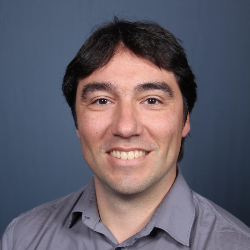 Meddy El Alaoui, PhD, CEO, AbTx
CEO
AbTxMeddy El Alaoui is co-founder of AbTx, and Chief Scientific Officer (CSO) at Covalab, specializing in bio-conjugation and targeted cancer therapies.
With a robust background in bioconjugation chemistry, molecular biology, and translational oncology, Dr. Meddy El Alaoui drives innovative approaches to enhance the specificity, stability, and therapeutic efficacy of ADC platforms. His work integrates advanced conjugation strategies with deep mechanistic insights into tumor biology, aiming to overcome resistance and improve patient outcomes.
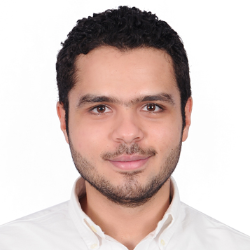 Abdullah Elsayed, PhD, Group Leader, Bispecific Antibody Research, Philochem AG
Group Leader
Philochem AGAbdullah Elsayed is a Group Leader at Philochem AG, where he works on the discovery and development of next-generation antibody-based therapeutics for cancer. His research focuses on multispecific formats, T-cell engagers, and combination strategies designed to improve immunotherapy activity in solid tumors. At PEGS Europe, he will present work on combining L19-mTNF with CD3 T-cell engagers to remodel the tumor microenvironment and enhance antitumor efficacy.
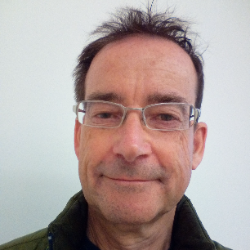 Alfred M. Engel, PhD, Teamlead, Cell Culture Technology, Roche Diagnostics GmbH
Sr Scientist
F Hoffmann La Roche AGPh.D. thesis on outer membrane proteins alpha and beta, two oligomeric protein components of hyperthermophilic Thermotoga maritima at the Max-Planck Institut für Biochemie, Martinsried, FRG
Post-doc on natriuretic peptide receptors at the Cardiovascular Research Department at Genentech Inc., South San Francisco, USA
since 1995 Team Lead of Cell Culture Technologies at Roche Diagnostics GmbH, Penzberg
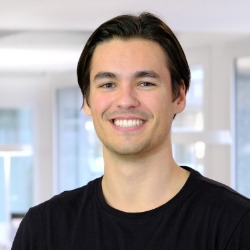 Julian Englert, MS, Co-Founder and CEO, Adaptyv Biosystems
CoFounder & CEO
Adaptyv BiosystemsCEO & Cofounder of Adaptyv Bio. Protein designers should be designing, not pipetting. We build automated wet labs to allow you to synthesize and test any protein you design!
 M. Frank Erasmus, PhD, Head, Bioinformatics, Specifica, an IQVIA business
Director/Head
Specifica, Inc.M. Frank Erasmus is the head of bioinformatics at Specifica, Inc. where he specializes in the use of next-generation sequencing technologies and software development to aid in the design of and selection from therapeutic antibody libraries. Formerly, Frank was awarded a national fellowship from the National Cancer Institute for his translational research associated with B cell precursor acute lymphoblastic leukemia conducted at the Spatiotemporal Modeling Center and Los Alamos National Labs. He brings over 13 years of experience in both biotechnology and academic settings in the development and characterization of therapeutic antibodies using theoretical modeling, bioinformatics, and experimental approaches.
 Lena Erlach, Scientific Solutions Consultant, Cradle
Scientific Solutions Consultant
CradleLena Erlach is a Scientific Solutions Consultant at Cradle, where she works closely with customers on the commercial and technical sides to translate their protein engineering challenges into ML/AI-driven design strategies using Cradle's platform. She holds a PhD in computational and systems immunology from ETH Zürich, and her background spans both experimental and computational approaches for antibody engineering and optimization, including machine learning and protein language models.
 James Ernst, PhD, Executive Director, Xencor, Inc.
Exec Dir Protein Sciences & Technology,
XencorDr. James Ernst is the Executive Director of Development Sciences at Xencor Inc. where he leads Protein Sciences & Technology. Major responsibilities for these functions include guiding therapeutic molecules from late-stage research into clinical development, companion diagnostics, animal efficacy models, antibody discovery, research materials and protein biophysical characterization. Prior to joining Xencor, he held various leadership positions in the Genentech Research and Early Development (gRED) Protein Sciences division.
He has more than 20 years of experience supporting all stages of therapeutic molecule development from target identification to clinical validation. He has worked with and led both large and small molecule therapeutic discovery teams in a variety of therapeutic areas including oncology immunotherapy, auto-immune disease, neuroscience, and metabolic disease. He received his Ph.D. in Biophysical Chemistry from Yale University and completed post-Doctoral Studies in Molecular and Cell Biology at the Stanford University Medical School.
 Dominic Esposito, PhD, Senior Director, Protein Sciences, Septerna
Senior Director, Protein Sciences
SepternaDr. Esposito is currently the Director of the Protein Expression Laboratory (PEL) and Project Lead for the RAS Reagents Core at the Frederick National Laboratory for Cancer Research in Frederick, Maryland. The 38 employees in the PEL clone, express, and purify proteins from a variety of host organisms in support of the NCI RAS Initiative and for investigators at the National Institutes of Health. In addition, the PEL invents and develops novel technologies for improving protein expression and production, focused heavily on baculovirus expression technology and combinatorial cloning. Prior to his role as director, Dr. Esposito led the Clone Optimization Group in the PEL for nine years and was responsible for the generation of over 15,000 expression clones, 400 new expression vectors, and several technological innovations in protein expression. Dr. Esposito received his B.A. in Chemistry at La Salle University in Philadelphia, and his Ph.D. in Biochemistry in the laboratory of Dr. John Scocca at the Johns Hopkins University Bloomberg School where he studied bacteriophage site-specific recombination. Dr. Esposito then worked as a postdoctoral fellow in the laboratory of Dr. Robert Craigie at the NIDDK, where he studied the protein-DNA interactions involved in the HIV integration reaction. Prior to joining the FNL in 2001, Dr. Esposito worked for three years as a Staff Scientist in the Protein Engineering group at Life Technologies, where he helped to develop the Gateway recombinational cloning system. Dr. Esposito has published over 100 peer-reviewed manuscripts in the fields of protein expression and DNA recombination.
 Andreas Evers, PhD, Associate Scientific Director, Antibody Discovery & Protein Engineering, Global Research & Development Discovery Technology, Merck Healthcare KGaA
Scientific Director, Antibody Discovery & Protein Engineering
Merck Healthcare KGaASince October, 2020, Dr. Andreas Evers has worked computer-aided assessment and optimization on NBEs at Merck Healthcare KGgaA. He obtained his PhD in Computational Chemistry with Professor Gerhard Klebe at Philipps University of Marburg in 2000. He joined Sanofi in 2003, first working in the area of computer-aided drug design on “small molecule†projects and later on therapeutic peptides and proteins. His research activities include implementation and application of in silico and AI approaches to design new molecules with the desired target activity and developability properties.
 AndreÌ F. Faustino, PhD, Senior Scientist, iBET, Instituto de Biologia Experimental e Tecnológica
Senior Scientist,
iBET Instituto de Biologia Experimental TecnologicaAndré is Senior Scientist at iBET (Oeiras, PT), having joined in 2016 and managing projects on the field of antibody discovery, employing phage display and NGS, as well as production and characterization of mAbs. Holding M.Sc. in Biochemistry, and Ph.D. in Biomedical Sciences – Biophysics (2016) by Universidade de Lisboa (Lisbon, PT), his research combined biophysical techniques and computational structural biology. André is generally interested in the Molecular Biophysics details of protein interactions with proteins, peptides and lipids, the interplay between structure, dynamics and function, and the application of AI/ML approaches to those areas, with major focus on antibody-antigen interactions.
 David Felix, Team Lead, Antibody Discovery, Confo Therapeutics
Team Lead
Confo TherapeuticsDavid is a microbiologist by training having obtained his MSc in Molecular Microbiology from the University of Aveiro, Portugal. He was first introduced to the world of antibody therapeutics after joining Ablynx (now part of Sanofi) in 2009. In 2017, he joined Confo Therapeutics in the start-up phase, where he is now a Principal Scientist leading the Biologics Discovery team in the early discovery of antibody fragments with pharmacologically relevant functions against difficult-to-target GPCRs.
 Monica L. Fernandez-Quintero, PhD, Associate Professor, Department of Microbiology and Immunology, Novo Nordisk Foundation Initiative for Vaccines and Immunity (NIVI)
Associate Professor
Novo Nordisk Foundation Initiative for Vaccines and Immunity (NIVI)Monica Fernández-Quintero studied Theoretical Chemistry at the University of Innsbruck. During her PhD she demonstrated how molecular dynamics simulations can improve the structure prediction of proteins, i.e., antibodies and ion channels. Already since her Bachelor thesis 2015 Monica is working on the dynamics of antibodies and graduated in 2020. She already authored several papers, gave talks, and presented posters on international conferences featuring various aspects of antibody and T-cell receptor dynamics. Since 2023 she joined the lab of Prof. Andrew Ward, combining structural biology with physics-based machine learning approaches to characterise protein-protein binding interfaces, facilitating the design of antibodies and de-novo proteins.
 Nicolas Fischer, PhD, CEO, Light Chain Bioscience
CEO
Light Chain BioscienceNicolas Fischer obtained a PhD in Biology from the Department of Molecular Biology University of Geneva on the structure and function of photosynthetic complexes. As a postdoctoral fellow he joined the Group of Sir Greg Winter at the MRC Department of Molecular Biology in Cambridge UK to study protein folding and Antibody engineering using phage display. In 2001 he joined NovImmune and led several therapeutic antibody discovery programs that have reached clinical development stage and developed next generation bispecific therapeutic antibodies. After the successful divestment of the FDA approved anti-INFg antibody Emapalumab, Novimmune now focuses on its bispecific technology under the brand Light Chain Bioscience in which Nicolas serves as CEO.
 Frederikke Bjergvang Flagstad, Senior Automation Scientist, Cross Modality Workflows, Novo Nordisk AS
Sr Automation Scientist
Novo Nordisk ASFrederikke Bjergvang Flagstad is an engineer in biotechnology from the Technical University of Denmark (DTU). She began her career in Novo Nordisk in Quality Control, supporting the release of haemophilia products. For more than five years, she worked within stem cell research, specializing in flow cytometry and automation. In 2024, she transitioned to protein production for high-throughput screening, with the goal of delivering proteins as fast as biologically possible. Today, Frederikke coordinates a team of eight highly skilled protein and automation scientists, driving the design, implementation, and optimization of automated laboratory workflows. Her focus is on improving throughput, robustness, and efficiency across the full end-to-end process, while continuously pushing the limits of accelerated protein discovery.
 Maurine Fleury, Bioproduction Manager, Production Platform, Affilogic
Bioproduction Mgr
AffilogicMaurine Fleury joined Affilogic in 2019 and currently holds the position of bio-production manager. With a strong engineering background, Maurine has been actively involved in both scale-down and scale-up activities since joining the company. Her work supports the full pipeline, from early discovery phases to later preclinical development, contributing to the optimization and robustness of bioproduction processes.
 Adriano Flora, Dir Bus Dev, Europe Bus Dev, The Jackson Laboratory
Dir Bus Dev
The Jackson LaboratoryAdriano Flora currently serves as Director of Business Development at The Jackson Laboratory (JAX). He obtained his Ph.D. in Pharmacology and Toxicology from the University of Milan, after which he moved to the Baylor College of Medicine in Houston, Texas, to study the molecular mechanisms underlying cellular differentiation and tumorigenesis in the nervous system. In 2011, he returned to Europe and joined a global model generation service provider. In 2019, he joined JAX and has since been involved in developing and commercializing translational platforms for drug developers.
 Vito Foderà , PhD, Professor, Biophysics, University of Copenhagen
Professor
University of CopenhagenVito Foderà received his PhD in Physics (2009) from the University of Palermo (Italy), with a project focused on (in)stability and self-assembly mechanisms of peptides and proteins. In 2009 he was appointed as a Research Associate at the Cavendish Laboratory at the University of Cambridge (UK). In 2012 Vito was awarded the Marie Curie IEF for Career Development grant that allowed him to join the Dept. of Drug Design and Pharmacology (University of Copenhagen). In 2016 he became tenured Associate Professor of Biophysics at the Department of Pharmacy, University of Copenhagen, where he established his research group. Since June 2023, he is Professor at the same department and his main focus is on protein self-assembled structures and he aims at translating the fundamental knowledge on these systems into novel high-impact applications in advanced materials for nanomedicine, protein drug formulations and protein-related neurodegenerative diseases. In 2018 he is recipient of the Villum Young Investigator award and is the PI of the related 5-year initiative “ProSmartâ€, focused on the understanding of structural heterogeneity in protein self-assembled materials via advanced microscopy approaches and X-ray and neutron techniques. Vito´s group works in close connection with both international collaborators in academia, large-scale facilities and national and international industrial entities. He is author of > 80 manuscripts.
 Rachel Fong, Senior Director, MPA Commercial Operations, Integral Molecular
Senior Director, MPA Commercial Operations
Integral MolecularRachel Fong is the Senior Director, Membrane Proteome Array, Commercial Operations, at Integral Molecular, with over 10 years of experience at the company. Rachel manages relationships with customers, collaborators, and partners for MPA projects. As a founding member of the scientific team that launched this platform, she brings a unique perspective that helps guide partners from initial discussions to successful project completion. Rachel joined Integral Molecular in 2010 and is a co-author on over a dozen publications.
 Björn L. Frendeus, PhD, CSO, BioInvent International AB
CSO
BioInvent International ABBjörn Frendéus is the CSO of BioInvent, a Swedish Biotech developing antibody-based treatments for cancer immunotherapy. Björn got his PhD studying innate immune responses to microbial infection. Over the past decades, he has developed a strong interest in understanding the complex biology of antibodies in relation to their targets, and applying his knowledge to develop better antibody-based medicines. Björn’s team conceived and developed the F.I.R.S.T platform from which BioInvent’s current pipeline has emerged. This includes the Company’s proprietary clinical-stage anti-FcgRIIB (BI-1206 and BI-1607) and anti-TNFR2 programs (BI-1808), BT-001 – a clinical-stage oncovirally encoded Treg depleting anti-CTLA-4 antibody co-developed with French vaccine company Transgene, and F.I.R.S.T TAM that BioInvent recently partnered with Pfizer on to develop novel antibodies and targets to tumor-associated myeloid cells with the aim to overcome resistance in the tumor microenvironment. BioInvent is closely collaborating on several of its programs with the Cancer Sciences Division in Southampton, UK, where Björn is a visiting professor. Björn chairs the Swedish Foundation for Strategic Research (SSF)’s expert review committee on Infection Biology.
 Christian Frisch, R&D Mgr, Custom Antibodies, Bio-Rad Laboratories
R&D Mgr
Bio-Rad LaboratoriesChristian Frisch has over 30 years of experience in antibody engineering and discovery. He currently leads Bio-Rad’s in vitro antibody generation site in Neuried, Germany, and has been part of Bio-Rad for more than 13 years. Prior to joining Bio-Rad, Christian spent 16 years at MorphoSys, where he focused on the development of antibody display technologies and led the custom antibody generation team. He studied Molecular Biology in Göttingen and earned his Ph.D. under Professor Sir Alan Fersht at the University of Cambridge (UK), focusing on protein folding and the energetics of protein–protein interactions.
 Norbert Furtmann, PhD, Head, Biologics AI & Design, Computational and AI Strategy, Sanofi
Global Head of Biologics AI & Design
SanofiUpon finishing his studies in Pharmaceutical Sciences, Dr. Furtmann pursued his interdisciplinary Ph.D. in Computational Life Sciences and Pharmaceutical Chemistry at the University of Bonn's B-IT (Bonn-Aachen International Center for Information Technology), a leading center for AI and computational research. Since joining Sanofi in 2016, he has held various roles focused on computational and AI-based biologics design. Currently, Dr. Furtmann heads the global Biologics AI & Design teams within Sanofi's Computational and AI Strategy organization, spanning next-generation foundational models, virtual screening and property prediction, and de novo design for next-generation biotherapeutic modalities.
 Shyra J. Gardai, PhD, CSO, EpiBiologics
CSO
EpiBiologicsI am the Chief Scientific Officer at EpiBiologics. I bring over 20 years of experience as an executive manager leading innovative discovery research groups focused on turning novel ideas into clinical stage therapies to battle cancer, autoimmune, and neurodegenerative diseases. During my time at Elan Pharmaceuticals and Seagen, I headed the discovery and delivery of over 6 phase 1 clinical candidates that integrated novel antibody, chemistry, and protein engineering technologies. Most recently I was the Vice President of Therapeutic Discovery Research at Seagen where she led a 60+ member team comprised of chemists, protein engineers, immunologist and cancer biologist focused on discovering new treatments for cancer patients. I trained as an Immunologist at the University of Colorado and went on to complete a postdoctoral research fellowship in the Department of Immunology at National Jewish Health.
 Patrick Garidel, PhD, Head, Process, Purification, and Pharma Development, Biopharma, Boehringer Ingelheim Pharma GmbH, Germany
Head
Boehringer Ingelheim Pharma GmbH & Co KGDr. Patrick Garidel is currently employed as associate director protein science at Boehringer Ingelheim Pharma GmbH & Co. KG. His activities are focused on the development biologics from the downstream process to drug product (liquid and solid formulations, freeze-drying). His expertise covers: development of drug delivery system and formulations, packaging/devices, process development, bio-analytic, and protein purification. He is responsible for the establishment of innovative platform technologies for e.g. powder inhalation, gene therapy, in silico based predictive tools for molecule properties, and particle analytics. Additionally, he is interested in the development of new concepts and strategies for protein purification, stabilisation, delivery and protein/ colloid chemistry in general.
Patrick Garidel studied chemistry and biotechnology at the University of Kaiserslautern and pharmaceutical sciences at the University of Strasbourg. He has a PhD in biophysics. During his academic career, he took over various post doc positions at the Institute for Pharmaceutical Technology and Biopharmacy, physical chemistry at the Martin Luther University Halle/ Wittenberg, DESY, Rutgers University and Hospital for Special Surgery.
 Nimish Gera, PhD, Founder and Principal Consultant, MABS R US Consulting
Founder and Principal Consultant
MABS R US ConsultingNimish Gera is an independent consultant and biotech executive with broad experience across antibody-based modalities including mono- and bispecific antibodies, protein fusions, and antibody-drug conjugates (ADCs) across several therapeutic areas such as oncology, immunology, autoimmune, and rare diseases. He has held scientific and/or leadership roles at companies ranging from early-stage startups like Mythic Therapeutics and Oncobiologics to large organizations such as Alexion Pharmaceuticals and Genentech. With more than fifteen years in drug development, Nimish has successfully advanced complex bispecific and ADC programs from concept through preclinical and early clinical stages. He serves as Associate Editor of the journal mAbs, hosts the Chain Protein Engineering podcast, and teaches the Developability of Bispecific Antibodies short course at the PEGS Boston and Europe conferences. Nimish has a proven track record of bringing multiple drug candidates to clinical trials, publishing peer-reviewed articles, building IP portfolios, and chairing national and international meetings on antibody therapeutics. He holds a PhD in Chemical and Biomolecular Engineering from North Carolina State University and a B.Tech in Chemical Engineering from the Indian Institute of Technology, Guwahati.
 Tariq Ghayur, PhD, Tariq Ghayur Consulting, LLC; Entrepreneur in Residence, FairJourney Biologics
Consultant/EIR
Tariq Ghayur Consulting LLC/FairJourney BiologicsDr. Ghayur retired from AbbVie (July 2021) and works as an independent consultant. He has 30+ years’ experience leading multi-disciplinary and cross-therapeutic area Biologics discovery programs and developing novel Biologics platforms. Several biologics programs resulted in clinical development candidates. Dr. Ghayur led the team that pioneered the discovery and development of the Dual – variable – Domain -Ig (DVD-Ig) and other multi-specific platforms. Dr. Ghayur also led the team that defined the uptake, intracellular trafficking, and lysosomal degradation of anti-TNF mAbs/DVD-Ig, resulting in the concept of anti-TNF-ADC (next-Gen anti-TNF). In addition, Dr. Ghayur proposed and helped implement several corporate-wide (Abbott & AbbVie) initiatives to foster cross-functional/cross-TA collaborations to bring forward innovative concepts/programs.
 Nicolas M. Goldbach, Research Scientist, Lab of Protein Design & Immunoengineering, EPFL Lausanne
Doctoral Student
EPFL LausanneNicolas Goldbach is a protein engineer with specialization in de novo protein design and structural biology. He studied Molecular Biotechnology at the Technical University of Munich and conducted his thesis research in the group of David Baker at the University of Washington on the design of pH responsive proteins for endosomal escape. He continued his PhD in Protein Design in the group of Bruno Correia at EPFL. During his PhD, Nicolas developed computational methods to design soluble analogues of membrane proteins, enabling easy expression and purification of otherwise challenging drug targets. His current research focuses on the de novo design of multistate proteins with controllable equilibria.
 Iris Goldman, Conference Producer, Cambridge Innovation Institute
Cambridge Innovation Institute
 PatrÃcia Gomes-Alves, PhD, Lab Head, Animal Cell Technology Unit, Instituto de Biologia Experimental Tecnologica (iBET)
Lab Head
iBET Instituto de Biologia Experimental TecnologicaPatrÃcia Gomes-Alves has been a lab head at the Animal Cell Technology Unit of iBET’s Health & Pharma Division since 2018.
In 2009, P Gomes-Alves finished her PhD in Biology from ITQB-NOVA, in collaboration with the Instituto Nacional de Saúde's Dr. Ricardo Jorge, developing research in the area of proteomics/mass spectrometry tools and biomarker discovery in cystic fibrosis. She did part of her PhD studies at C Boyd’s Lab, Western General Hospital, University of Edinburgh (UK), and JP Albar’s Lab, Universidad Autónoma de Madrid (Spain).
In May 2010, she joined a biotechnology SME, TheraProteins, to work as Director of Development, being in charge of the development of biotechnological products, namely oligosaccharide reference standards.
In 2011, she joined the Animal Cell Technology Unit @iBET as a Senior Scientist at the Cell Bioprocesses Lab, and in 2013, took over the scientific coordination of the Mass Spectrometry Unit (UniMS) at iBET/ITQB-NOVA. In 2018, became a lab head at the Animal Cell Technology Unit@iBET.
Dr. Gomes-Alves's research interests cover the areas of bioprocessing, -omics tools, and mass spectrometry (MS). Her projects have focused on the development and implementation of MS-based workflows to characterize and streamline bioprocesses and resulting cell products.
Dr. Gomes-Alves authored 53 manuscripts and 2 book chapters, receiving a total of 825 citations (h-index 15), was also responsible for the supervision of 2 PhD students (theses defended in 2018 and 2022), 5 MSc students, and participated in several publicly funded research projects (FCT and EC), and coordinated several R&D projects with the biopharma industry.
 Maria Gonzalez Cao, PhD, Chair, Melanoma Medical Oncology Unit, Oncology Institute Dr. Rosell, Dexeus University Hospital
Chair
Institut Oncologic Dr Rosell, Dexeus University HospitalDr. MarÃa González-Cao is the Chair of the Medical Oncology and Translational Research Melanoma Unit at the Institut Oncològic Dr. Rosell, University Hospital Dexeus, Barcelona. She leads the development of investigator-initiated clinical trials, focusing on innovative immunotherapy strategies for cancers with limited treatment options and for special populations, including patients living with HIV.
Dr. González-Cao has directed numerous independent research projects within the institute’s molecular laboratory, with a focus on targeted therapies and immuno-oncology in melanoma and lung cancer. She also serves as principal investigator in multiple Phase I, II, and III clinical trials sponsored by leading pharmaceutical companies.
Since 2018, Dr. González-Cao has held the role of Scientific Secretary of the Spanish Melanoma Group (GEM), where she coordinates translational research projects emphasizing biomarker correlation with systemic therapy response and resistance, utilizing tissue and liquid biopsies.
She has authored over 100 peer-reviewed publications, including top-tier journals such as JAMA Oncology, The Lancet, Nature Communications, Annals of Oncology, and Journal for ImmunoTherapy of Cancer. She is the principal and corresponding author of over 20 independent publications and has presented her work internationally.
Dr. González-Cao earned her MD from the University of Navarra (1994), where she also completed her oncology residency (2000) and PhD (2006), focusing on molecular analysis of residual disease in melanoma. In 2016, she earned a Master’s degree in the Pathogenesis and Treatment of HIV Infection from the Autonomous University of Barcelona.
 Ambrus Gordos, Researcher, Protein Design, VRG Therapeutics
Protein Designer
VRG TherapeuticsI am working at the intersection of computational protein design, machine learning, and experimental biology. At VRG Therapeutics, I focus on developing miniprotein therapeutics by combining advanced in-silico design tools with experimental validation.
 Torbjörn Gräslund, PhD, Professor, Department of Protein Science, KTH Royal Institute of Technology
Professor
KTH Royal Institute of TechnologyProfessor Torbjörn Gräslund holds a Ph.D. in Biotechnology from KTH - Royal Institute of Technology, Sweden, since 2001. After two years of post-doc training with Professor Carlos Barbas at the Scripps Research Institute, he has been principal investigator at the Department of Protein Science at KTH since 2003. His main research focus is on designing proteins for diagnostic and therapeutic applications. He has a particular focus on oncology applications but is also active in the field of auto-immune diseases. Dr. Gräslund is the inventor of several patents in the field.
 Christian Graf, PhD, Fellow, Scientific Office, Novartis Technical R&D Biologics
Fellow, Scientific Office
Novartis Technical R&D BiologicsChristian Graf is a Fellow/Senior Expert at Novartis Technical R&D Biologics and is based in Munich/Germany. He is a chemist by training and obtained his PhD in biochemistry from Heidelberg University (ZMBH) in Germany, studying protein folding and conformational changes of chaperones using mass spectrometric and biophysical methods. In 2009, he joined Novartis Pharma AG in Basel, Switzerland, as a Senior Scientist for protein characterization in the Biologics Analytical Research & Development organization, mainly responsible for the early- and late-phase MS characterization of therapeutic antibodies. He had then several roles as Lab head and Principal Scientist in the Integrated Biologics Profiling unit in Basel, supporting early characterization and developability assessment of numerous innovative biologics pipeline projects. In 2017, he joined the Novartis Analytical Characterization team in Oberhaching near Munich/Germany where he supported the characterization and technical development of biosimilar and clinical NBE candidates, and several innovation and new technology projects. In 2022, Christian has taken on a new role as Innovation Strategy Lead in the Scientific Office of the Global Biologics Analytical Development organization.
 Roy Granit, PhD, Senior Director, Head of Computational Discovery, Compugen
Senior Director, Head of Computational Discovery
CompugenRoy Granit, PhD, is a Senior Director and Head of Computational Discovery at Compugen Ltd., where he leads an interdisciplinary group focused on applying computational biology, bioinformatics, data science and AI/ML to the discovery of novel immuno-oncology targets. He holds a PhD in Biomedical Research from the Hebrew University of Jerusalem, with a focus on genomics and bioinformatics. Before joining Compugen in 2020, Roy co-founded two startups in bioinformatics and natural language processing and served as a consultant to academic and industry partners. His work centers on translating complex biological data into actionable insights that support innovative therapeutic discovery.
 Peyton Greenside, PhD, Co-Founder & CSO, BigHat Biosciences
CoFounder & CSO
BigHat BiosciencesPeyton Greenside is the co-founder and CSO of BigHat Biosciences, an early-stage Bay Area startup developing an AI-first experimental platform to radically reduce the difficulty of designing antibodies and other therapeutic proteins. Before BigHat, Peyton was an inaugural Schmidt Science Fellow, a computational biologist at the Broad Institute, a scientific founder of Valis, and holds a PhD from Stanford University, an MPhil in Computational Biology from Cambridge University, and a BA in Applied Math from Harvard.
 Victor Greiff, PhD, Professor, University of Oslo; CTO, IMPRINT
Prof
University of OsloDr. Victor Greiff is Associate Professor for Computational and Systems Immunology at the University of Oslo. His work focuses specifically on the development of machine learning, computational and experimental tools for the analysis, prediction and engineering of adaptive immune receptor repertoires.
 Tobias Grosskopf, PhD, Leader, F. Hoffmann-La Roche AG
Leader
F Hoffmann La Roche AGTobias Großkopf is a Leader in Process Research at Roche (pRED), based in Penzberg, Germany, specializing in data science and AI applications in bioprocessing. He is recognized as a leading expert in applying digital and machine learning solutions to enhance process development, decision-making, and efficiency across pharmaceutical R&D. Tobias played a key role in initiating Roche’s global AI activities, including the development of pRED-GPT (now Roche Chat), a widely adopted internal LLM platform. He co-leads strategic initiatives such as AI-driven cell line selection within the Speed2Clinic program, accelerating biologics development timelines. With a strong interdisciplinary background spanning molecular biology, bioinformatics, and artificial intelligence, he bridges experimental science and digital innovation. Tobias is also an active mentor, inventor, and contributor to multiple patents and publications, and a driving force in fostering cross-functional collaboration and data science communities at Roche.
 Maria Groves, PhD, Senior Director, AstraZeneca
Senior Director
AstraZenecaMaria is an industry recognized expert and leader in antibody display technologies and protein engineering and has >20 years of experience in this field. Maria has worked in Academia, Biotech and Biopharmaceutical roles and has diverse knowledge base which spans from molecular biology through to large scale protein production. As a project leader, she has also successfully led antibody therapeutics from research phase into clinical trials. As Laboratory Head for the CRUK AstraZeneca Antibody Alliance, she collaborates with CRUK and the academic community to deliver a portfolio which spans different types of cancer with mAbs carrying antagonistic, Immuno-oncology, agonistic and ADC mechanisms of action. The Alliance team are working to get the best possible outcome for therapeutic and diagnostic programmes with the long-term goal of benefiting cancer patients.
 Lars Guelen, PhD, Head of Protein Development, Tagworks Pharmaceuticals
Head
Tagworks PharmaceuticalsAs Head of Protein Development at Tagworks Pharmaceuticals, Lars Guelen leads the discovery, design, characterization, and development of proteins that are incorporated into the company’s Click-to-Release ADCs and radiotherapeutics. Prior to joining Tagworks, he headed multidisciplinary product discovery teams at Genmab and Aduro Biotech, focusing on antibody-based immunotherapies for oncology. He also served as a project lead at Merck Animal Health and as a postdoctoral researcher at the Netherlands Cancer Institute. Lars holds a PhD in Molecular Biology from King’s College London.
 Jenny Gunnarsson, Associate Principal Scientist, AstraZeneca
Associate Principal Scientist
AstraZenecaJenny Gunnarsson is an Associate Principal Scientist at the Department of Protein, Structure and Biophysics within Discovery Sciences, AstraZeneca. She has over 15 years of experience in recombinant protein expression in eukaryotic cell systems and has applied her knowledge to set up in-house platforms for insect and mammalian expression systems used globally. Jenny also drives scientific excellence in membrane protein production to enable novel cryo-EM structures. She has a background in Bioengineering and worked with biopharmaceutical manufacturing before joining AstraZeneca in 2009.
 Lei Guo, Senior Director, CRO Services, WuXi Biologics
Senior Director
WuXi BiologicsDr. Lei Guo leads the Protein Analytical Chemistry group in the CRO Services Department at WuXi Biologics. Her team specializes in comprehensive analytical testing of monoclonal antibodies, bispecific antibodies, antibody-drug conjugates (ADCs), and fusion proteins during drug discovery and optimization stages, employing Mass Spectrometry and physicochemical & biophysical analyses. With over 16 years of experience in bioanalysis, Dr. Guo has held diverse roles at Pfizer, Sanofi, and MSD, contributing to target identification, lead optimization, drug development, and CMC-stage analytical support.
 Purvi Gupta, Applications Scientist, Field Applications, Chemical Computing Group
Applications Scientist
Chemical Computing GroupTo follow
 Marcela Guzman Ayala, PhD, Head, In Vitro Pharmacology, Molecular Partners
Head of Research Biology
Molecular PartnersMarcela has a decade of biotech experience in drug discovery, leading research teams and activities aimed at developing immune-based therapies to address significant unmet needs in oncology. She joined Molecular Partners in 2023 and provides strategic and scientific direction for the In Vitro Pharmacology group, from target discovery to the completion of pre-clinical packages. Prior to joining Molecular Partners, Marcela held various science leadership roles at Senti Biosciences, focusing on the evaluation of novel and smart gene circuits to develop and improve cell-based therapies for the treatment of hematologic indications and solid tumors. Before that, she worked as a Scientist in Discovery Biology at FLX Biosciences, focusing on target identification and pre-clinical proof of concept (PoC) for small molecule therapies to overcome the immunosuppressive tumor microenvironment. She obtained her Ph.D. from the University of Geneva in collaboration with the Swiss Institute for Cancer Research.
 Benjamin J. Hackel, PhD, Professor, Chemical Engineering & Materials Science, University of Minnesota
Professor
University of Minnesota Twin CitiesBen Hackel is a Professor of Chemical Engineering and Materials Science at the University of Minnesota. He earned degrees in chemical engineering from the University of Wisconsin (B.S., advised by Eric Shusta) and MIT (PhD, advised by Dane Wittrup) and performed postdoctoral research in the radiology department at Stanford University (Sam Gambhir). Since its inception, the Hackel lab has applied protein engineering technologies to develop physiological molecular targeting agents for molecular diagnostics and targeted therapy, with a focus on oncology and infectious disease.
 Yas Heidari, Global Product Mgr, Marketing, Biotage AB
Global Product Mgr
Biotage ABYas Heidari is the Global Product Manager for Biomolecules and Advanced Therapies at Biotage. A PhD scientist (King’s College London) with a strong commercial track record at Thermo Fisher and Bio-Techne. At Biotage she represents PhyPrep – the award-winning automated, plasmid purification system delivering transfection-grade DNA at maxi-, mega- and up to giga-scale – and PhyTip® columns for high-throughput affinity purification of proteins and antibodies on all key automated liquid handling platforms.
 Christian Heinis, PhD, Associate Professor, Lab of Therapeutic Proteins & Peptides, EPFL Lausanne
Assoc Prof
EPFL LausanneChristian Heinis has studied biochemistry/chemistry at the ETH Zurich. After a PhD in the research group of Prof. Dr. Dario Neri at ETH, he did two post-docs, the first one with Prof. Dr. Kai Johnsson at the EPFL and the second one with Sir Gregory Winter at the LMB-MRC in Cambridge, UK. In 2008 he started as Assistant Professor at EPFL (supported with an SNSF professorship) and was promoted in 2015 to Associate Professor. Christian is a co-founder of Bicycle Therapeutics and the co-director of the NCCR Chemical Biology.
 Timothy Hickling, PhD, Consultant, Quasor Ltd.
Independent Immunogenicity Expert
QuasorTim has 15 years’ experience contributing to immunogenicity risk and mitigation strategies for large molecules and advanced therapies at Roche and Pfizer, from early discovery projects to those in clinical development and post-marketing. During the last ten years he has contributed immunology expertise to the development of an in silico immunogenicity model, with the purpose of improving predictions of clinical immunogenicity for drug candidates. Tim previously worked on vaccine development and holds a PhD in Immunology from the University of Oxford.
 Marlon Hinner, PhD, Principal Scientist, pRED, Roche
Principal Scientist and Matrix Leader
RocheMarlon Hinner is a Lead Identification Matrix Leader and Principal Scientist at Roche. With more than 15 years’ experience in the discovery and engineering of bispecific antibodies, Marlon Hinner´s particular passion is bringing together target biology and the ideal modes of action of bi- or multispecific antibodies. Before joining the company in early 2017, he held the position of Director Immuno-oncology at Pieris Pharmaceuticals, where he had a leading role in the discovery and early development of 4-1BB-targeting bispecifics. Prior to this role, Marlon headed the protein engineering group at Pieris, which he had joined in 2011. Marlon is an author on 35 publications and patents and has co-edited the book “Site-Specific Protein Labeling†from the Methods in Molecular Biology Series.
 Rene Hoet, PhD, Scientific Advisor, Hoet Consultancy BV
CIO
Fairjourney BiologicsRené Hoet joined FairJourney Biologics in Porto as Chief Innovation Officer in April 2022. Prior to this René worked as Chief Scientific Officer at Montis Biosciences (April 2021-Febr. 2022) and Imcheck Therapeutics (Oct 2018- April 2021) developing the first gamma delta T cell activating antibody from preclinical stage into the clinic. Before joining ImCheck, René spent 8 years at Bayer AG as Vice President Biologics Research, where his team was responsible for antibody lead discovery and optimization. Between 2008-2010, he was a member of the management team at Genmab and as Senior Director Research led the team Product Related Research, Scientific Communication & Translational Research. Together with his team, he ran the antibody discovery programs and actively supported Genmab’s clinical antibody programs. René started his industrial career at Target Quest (acquired by Dyax in 1999) where his last position was Vice President Research and Operational Manager of Dyax SA. He was the driving force for internal antibody lead discovery as well as external collaborations and supported the out-licensing of Dyax’ antibody phage libraries. From these libraries, 3 antibodies have been approved by the FDA & EMA and over 10 antibodies from varies companies are currently in clinical trials. René Hoet is also Professor Biopharmaceutics at the University of Maastricht, Netherlands, guiding researchers to use antibodies to bridge the gap between academic research and pharmaceutical applications.
 Rene Hoet, Senior Scientific Advisor, Business Development, Nona Biosciences
Senior Scientific Advisor
Nona BiosciencesRené Hoet is working for over 25 years in Biotech and Pharma Industry focusing on Antibody Research and development. Since Sept. 2025 Rene Hoet is working as consultant (Snr. Scientific Advisor) at Nona Biosciences and Enpicom. From April 1 2022 till Febr. 2025 René worked as Chief Innovation Officer at FairJourney Biologics in Porto, Portugal on validation & implementation of new innovative antibody discovery and optimization technologies. From April 2021 till February 2022 Rene worked as Chief Scientific Officer for Montis Biosciences BV (Belgium) to develop the next generation of immunotherapy targeting with antibodies the interface between Tumor endothelial Cells and Perivascular Macrophage.. Prior to this he worked as Chief Scientific Officer for Imcheck Therapeutics, France (acquired by Ipsen)(Oct 2018- April 2021) and moved ICT01 an antibody to BTN3A1, the first activating gammadelta T cell mAb, from preclinical stage into the clinic (now in Phase III). From 2010-2018 Rene worked for Bayer AG as Vice President Biologics Research (Germany). His group was responsible for Antibody Discovery and Optimization for all therapeutic areas in Bayer and during this period 7 antibodies from Bayer´s internal pipeline entered into the clinic. Between 2008-2010 Rene worked at Genmab as Sr. Director Research and was heading up Product Related Research, Scientific Communication & Translational Research. His team was driving new Antibody Discovery Programs and was also actively supporting Clinical Antibody Programs. From 1997-2008 Rene had various positions at Dyax and became V.P. Research and Operational Manager of Dyax sa. Rene was driving internal Antibody Lead Discovery (in Dyax Liege Belgium and Cambridge US) as well as external collaborations and supporting out-licensing of Dyax antibody phage libraries. From the antibody phage libraries he and his team developed at Dyax now 5 antibodies have been FDA&EMA approved. René Hoet is also at the Un. Maastricht, Dept. Pathology guiding researchers to use antibodies to bridge the gap between academic research and pharmaceutical applications (extraordinary Professor Biopharmaceutics from 2012-Dec. 2022), He obtained his PhD at the Un. Nijmegen, the Netherlands on autoantibodies (Prof. W.J. van Venrooij) and performed a post-doctoral study at the Un. Cambridge U.K. with Dr. Prof. G. Winter (noble prize winner 2018). He contributed to over 40 scientific papers and is inventor on over 20 patent /patent applications.
 Ken Howard, PhD, Associate Professor, Interdisciplinary Nanoscience Center, Head, Bioengineered Drug Designs Laboratory, Aarhus University
Associate Professor
Aarhus UniversityKen Howard is an Associate Professor and Group Leader of the Bioengineered Drug Designs Laboratory at the Interdisciplinary Nanoscience Center (iNANO), Aarhus University, Denmark. The focus of the lab is protein engineered solutions to the delivery requirements of biomacromolecules with albumin the predominant drug delivery platform.
Ken Howard received a PhD in Pharmaceutical Science from the University of Nottingham, UK, and has held postdoctoral positions at the CRC Institute for Cancer Studies, University of Birmingham, UK and the School of Pharmacy, University of London.
 Rivka Isaacson, PhD, Professor of Molecular Biophysics, Department of Chemistry, King’s College London
Professor of Molecular Biophysics
King's College LondonRivka obtained a B.Sc. in Biochemistry from the University of Manchester in 1997, followed by a PhD in Chemistry from the University of Cambridge in 2001, under the supervision of Professor Sir Alan Fersht, FRS. She carried out post-doctoral research at Harvard Medical School with Professor Pamela Silver, and then at Imperial College London with Professor Steve Matthews. Subsequently, she worked at the Imperial College Drug Discovery Centre before starting her own research group in 2009 funded by an MRC New Investigator Research Grant.
Rivka is passionate about radical interdisciplinarity, conducting many projects across the arts-sciences interface, including an ongoing multimedia collaboration with London Fine Art Studios called Viewing the Invisible, and a longstanding relationship with the Iris Murdoch Research Centre at Chichester University around science and literature.
Rivka currently serves on the UKRI Physics of Life steering group and the executive committee for the national Collaborative Computing Project for NMR. She was the 2021 winner of the Judith Howard prize from the Biophysical Sciences Institute at Durham University and the 2024 winner of the British Biophysical Society Elspeth Garman Prize for Public Engagement.
 Saeed Izadi, PhD, Director, Research Data Sciences, Gilead Sciences
Director
Gilead SciencesSaeed Izadi is Director, Research Data Sciences at Gilead Sciences, where he leads computational strategies for biologics discovery and development. His research focuses on applying structure-based modeling, molecular simulation, statistics, and machine learning to predict molecular properties and enable rational engineering of next-generation therapeutics, including antibodies, multispecifics, and antibody-drug conjugates.Previously, he worked at Genentech, where he developed and applied in silico methods for protein therapeutics. He received his Ph.D. in Biomedical Engineering from Virginia Tech, along with an M.Sc. in Aerospace Engineering and a B.Sc. in Mechanical Engineering.
 Ibo Janssens, PhD, Senior Scientist, Preclinical Product Development, argenx BVBA
Sr Scientist
argenx BVBAIbo Janssens is a Senior Scientist at argenx, where he leads antibody engineering initiatives with a particular focus on the development of sweeping antibodies and innovative immunotherapies. He has played a key role in preclinical product development, successfully advancing programs from lead optimization through IND submission. Ibo holds a Ph.D. in Medical Sciences and has a strong foundation in cellular and molecular biology.
 Timothy Patrick Jenkins, PhD, Assistant Professor and Head, Data Science, DTU Bioengineering
Assistant Professor
Technical University of DenmarkTimothy Jenkins is an Assistant Professor and Head of Data Science at DTU Bioengineering. After completing his BSc at James Cook University in Australia, he conducted his PhD at the University of Cambridge, exploring next-generation sequencing approaches and the impact of parasites on the human gut microbiome. He subsequently joined DTU as an HC Ørsted Postdoctoral Fellow and joined Professor Andreas Laustsen-Kiel’s efforts in developing next-generation antivenom therapeutics. Shortly after, he took on the position of Assistant Professor and started a junior research group, the Digital Biotechnology Lab. Here, he and his team focus on leveraging data science, machine learning, and high-throughout in vitro approaches to develop new approaches for target identification and therapeutic discovery with a particular focus on neglected diseases, such as snakebite envenoming. Tim is also the head of Data Science at DTU Bioengineering and was recently selected for the inaugural cohort of the young academy for technical sciences.
 Teemu T. Junttila, PhD, Principal Scientist, Translational Oncology, Genentech
Principal Scientist
GenentechDr. Junttila joined Genentech in 2006. Currently his research is focused in developing Genentech’s T cell dependent bispecific (TDB) antibodies and he is responsible of multiple CD3-bispecific molecules in various stages, ranging from early stage research to clinical development.
 Abdullah Karacorluoglu, FyoniBio Gmb
FyoniBio GmbAbdullah holds a degree in Industrial Biotechnology with a specialization in Bioanalytics and Cell Line Development. He has four years of scientific experience in the field of Mass Spectrometry, with a particular focus on CMC for biologics projects. Currently, he serves as a Business Development Manager at FyoniBio GmbH, where he bridges scientific expertise with strategic partnerships in the biopharmaceutical industry.
 Sophia N. Karagiannis, PhD, Professor, Translational Cancer Immunology & Immunotherapy, Kings College London
Prof
Kings College LondonProfessor Sophia Karagiannis is a translational cancer immunologist with academic and biotechnology experience in the USA and UK. She heads a cancer antibody discovery team focused on the crosstalk between patient immunity and cancer and on the design of novel therapeutic agents. Key areas of research center on patient-derived B cells and their expressed antibodies, Fc-engineered antibodies of different isotypes, and antibody-drug conjugates for cancer therapy. Her group is the first to design, evaluate and translate anti-tumour IgE class antibodies from concept to clinical testing. Sophia is founder of Epsilogen Ltd, the first immuno-oncology company dedicated to developing IgE-based anti-cancer agents.
 Hitoshi Katada, PhD, Head of Biologics Engineering, Chugai Pharmaceutical Co. Ltd.
Head
Chugai Pharmaceutical Co LtdHitoshi Katada is heading biologics engineering function in Chugai. He received his Ph.D. in engineering from the University of Tokyo. After he joined Chugai in 2011, he has been working on the development of antibody technology, optimization of lead antibodies, and pharmacology for cancer immunotherapy. In 2021 he was transferred to Chugai Pharmabody Research in Singapore as a director of protein production unit. In 2023, he was transferred back to Chugai Japan and is responsible for antibody engineering.
 Yong-Sung Kim, PhD, Professor, Molecular Science & Technology, Ajou University, Korea
Prof
Ajou UniversityDr. Yong-Sung Kim has been a professor in the Department of Molecular Science and Technology at Ajou University (Suwon, Korea) since 2004 and has also served as a faculty member of the College of Advanced Bio-Convergence Engineering since 2024.
He received his Ph.D. in Pharmaceutical Sciences from the University of Colorado Denver in 2002. He then joined the laboratory of Prof. K. Dane Wittrup at the Massachusetts Institute of Technology (MIT) as a postdoctoral researcher, where he conducted research on protein and antibody engineering using yeast surface display technology. In 2004, he joined the faculty of Ajou University. During his first sabbatical leave from 2010 to 2011, he conducted research at Genentech, Inc. in South San Francisco, USA, collaborating with scientists in the Departments of Molecular Oncology and Antibody Engineering.
Dr. Kim’s research focuses on the development of next-generation antibody platform technologies and their therapeutic applications. His major research areas include heterodimeric Fc-based bispecific antibody platforms, solid tumor-penetrating antibody technologies, and cellular cytosol-penetrating antibody platforms.
Dr. Kim has published more than 120 articles in peer-reviewed scientific journals, including Nature Communications, Science Advances, Cancer Immunology Research, Molecular Cancer, Proceedings of the National Academy of Sciences of the United States of America (PNAS), Cancer Research, Molecular Cancer Therapeutics, Journal of Controlled Release, Oncogene, and Nucleic Acids Research. He has also filed numerous domestic and international patent applications and has been granted multiple patents based on his antibody engineering technologies.
Building on his antibody platform technologies, Dr. Kim co-founded Orum Therapeutics, Inc. in 2016 as a scientific co-founder. He also co-founded PineTree Therapeutics, Inc., based in Boston, USA, as a scientific co-founder in 2019. In addition, he has transferred more than 10 antibody-related technologies to biotechnology and pharmaceutical companies in Korea and the United States.
More information about his research can be found at http://antibody.ajou.ac.kr/.
 Ross D. King, PhD, Professor, Chemical Engineering & Biotechnology, University of Cambridge
Prof
Univ of CambridgeRoss D. King started his PhD at the Turing Institute forty years ago, the subject was the first application of machine learning to predict protein structure. As a postdoc he developed the first application of machine learning to drug design. He is now one of the most experienced AI researchers in Europe. He has joint positions at the University of Cambridge (Biotechnology), and is Professor of Machine Intelligence at Chalmers Institute of Technology, Sweden. His main research interest is AI for science. He originated the idea of a ‘Robot Scientist’ (aka self-driving lab): integrating AI and laboratory robotics to physically implement closed-loop scientific discovery. His Robot Scientist ‘Adam’ was the first machine to autonomously discover scientific knowledge. ‘Eve’ is currently searching for drugs against neglected tropical diseases. He is building 'Genesis' a Robot Scientist designed to automate eukaryotic systems biology. He is currently excited by the use of LLMs to formalise all the knowledge in the scientific literature, and automate the validation of this knowledge. He is a founder of the Nobel Turing Challenge: to build a machine able to do Nobel prize quality scientific research autonomously.
 Maurits F. Kleijnen, PhD, Chief Technology Officer, Intract Pharma Ltd.
Chief Technology Officer
Intract Pharma LtdDr. Kleijnen is Chief Technology Officer at Intract Pharma, London, UK. He did his BS/MS at Utrecht University which included one year of research at MIT’s Center for Cancer Research on immune evasion by cytomegalovirus. After obtaining a Harvard PhD in Virology, with a focus on papillomavirus-mediated oncogenesis, he did a postdoc in the Department of Cell Biology at Harvard Medical School studying ubiquitination and proteasome biology. Dr Kleijnen then moved to Imperial College London to set up his own lab as PI in the Centre for Haematology, with a focus on understanding the cell biology underlying multiple myeloma’s susceptibility to proteasome inhibitor exposure. After 8 years at Imperial, he then worked for 4 years as Group Leader at Immunocore, developing soluble T cell receptor-based bispecific therapeutics. Since then, he became Head of Research at a company generating VHH-based antibody bispecifics, before becoming Head of Research and Chief Technology Officer at Intract Pharma. Here, he invented and is developing the current UTAC bispecific technology presented in his PEGS-2026 presentation.
 Christian Klein, CSO, Biotech Start-Up
CSO
Biotech startupChristian Klein is specialized in the discovery, engineering and preclinical development of (bispecific) mAbs for immunotherapy. He is CSO and co-founder of a biotech startup. Previously, he was CXO and Drug Maker @ Curie.Bio where he worked with founders of seed stage biotechs. As a distinguished scientist, research project/program leader and mentor he made essential contributions during 22 years @ Roche pRED to the preclinical development of 32 NMEs entering clinical trials of which GAZYVA, VABYSMO, COLUMVI, and TEPEZZA are approved. He led research teams developing Roche’s novel bispecific antibody technologies, e.g., the CrossMAb technology and the immunocytokine and T cell bispecific antibody platforms. He obtained his diploma in biochemistry from University Tübingen and his doctorate in biochemistry from Technical University Munich. In 2017 he completed his habilitation in Biochemistry at the Ludwig-Maximilians University (LMU) in Munich, and since then is an external lecturer there.
 Christine Koehler, PhD, Director, Antibody Engineering, VERAXA Biotech GmbH
Director, Program Management
VERAXA Biotech GmbHChristine Köhler is Co-Founder and Program Manager at VERAXA Biotech, a biotechnology company spun out of EMBL Heidelberg in 2021. Prior she spent more than a decade at EMBL, where she built extensive expertise in antibody engineering and therapeutic antibody development. Since VERAXA's inception, she has played a key role in advancing the company's scientific and strategic objectives, first as Director of Antibody Engineering and now as Program Manager for the company's bispecific ADC program. Her work focuses on translating innovative antibody technologies into next-generation cancer therapies.
 Patrick Koenig, PhD, Vice President, Biologics, 92bio
Vice President
92bioPatrick is Vice President Biologics at 92Bio Inc. where he leads a team which focuses on building and developing next generation immune cell engagers. He has more than 15 years of experience of antibody drug development. After obtaining a PhD in biochemistry at the University of Heidelberg, Patrick did his postdoctoral work at Genentech focusing on using deep sequencing data for antibody affinity maturation and specificity engineering. He also worked at Stemcentrx, Abbvie and 23andMe Therapeutics where he focused on therapeutic antibody discovery and development.
 James T. Koerber, PhD, Distinguished Scientist and Director, Antibody Engineering, Genentech, Inc.
Distinguished Scientist & Director
Genentech IncJT received his PhD in Chemical Engineering from the University of California Berkeley where he developed novel protein engineering strategies for viral gene therapy. He then completed a post-doc with Jim Wells at the University of California San Francisco where he developed a novel structure-based design platform to generate phospho-specific antibodies. He currently leads a team at Genentech in the Department of Antibody Engineering focused on collaboratively discovering novel biology and transformative drugs. His group seeks to advance new therapies to patients through the development of new technologies to aid in target discovery, drug challenging targets, and overcoming drug delivery barriers.
 Simon Kohl, PhD, Founder and CEO, Latent Labs
Founder and CEO
Latent LabsSimon is the Founder and CEO of Latent Labs. Formerly, he was Senior Research Scientist at Google DeepMind in London, where he worked on AlphaFold2 and problems in structural biology. Before joining DeepMind, he has obtained a PhD at the German Cancer Research Center in Heidelberg, Germany, where he developed generative models for biomedical image segmentation. Broadly, Simon is interested in developing generative deep neural networks for natural science and real-world applications. His research is often concerned with uncertainty quantification and the generation of multi-modal outputs in problems that allow multiple solutions.
 Shohei Koide, PhD, Professor, Biochemistry & Molecular Pharmacology, New York University School of Medicine; Perlmutter Cancer Center, NYU Langone Health
Professor
New York University School of MedicineShohei Koide, PhD, is a synthetic protein scientist. His research integrates structure-guided design and directed evolution to create highly functional, but still simple, proteins. He is the inventor of the FN3 Monobody technology, and he has made important contributions to synthetic antibody technologies and to the application of synthetic binding proteins to biology, chemistry, and medicine. His current research focuses on the discovery of cancer therapeutics and on establishing strategies to control "undruggable" targets. Previously, he was Professor at University of Chicago and at the University of Rochester School of Medicine and Dentistry.
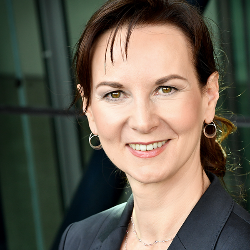 Beate Koksch, PhD, Professor, Organic Chemistry, Freie Universität Berlin
Prof
Freie Universität BerlinProfessor Beate Koksch received her diploma in Chemistry and PhD in Biochemistry from the University of Leipzig. She pursued her postdoc as a DFG research fellow in the laboratories of Professors M R Ghadiri and C F Barbas, III at The Scripps Research Institute, La Jolla, California. In 2000, she started her independent career under the mentorship of Professor Dr K Burger at the University of Leipzig. Since 2004, she is Professor of Organic and Natural Product Chemistry at Freie Universität Berlin, Germany. Her group studies complex folding mechanisms that occur in neurodegenerative diseases, develops new multivalent scaffolds and investigates the impact of fluorine on amino acids, proteins and bacterial cells. For her contributions to fluorine chemistry at the interface of chemistry and biology as well as protein science and engineering she received the ACS Award for Creativity in Fluorine Chemistry 2021.
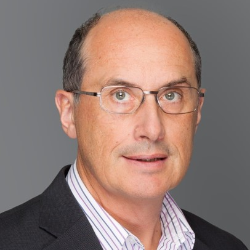 Harald Kolmar, PhD, Professor and Head, Institute for Organic Chemistry and Biochemistry, Technische Universität Darmstadt
Professor and Head
TU Darmstadt BiochemieHarald Kolmar is full professor at the Technische Universität Darmstadt, Germany where since 2005 he heads the Department of Applied Biochemistry. He holds a PhD and habilitation in biochemistry and molecular genetics from University of Tübingen and Göttingen. His current scientific interests mainly focus on protein engineering and design, nanobiotechnology, antibody engineering, chemical biology and development of tailor-made peptides and proteins for applications in diagnostics and therapy.
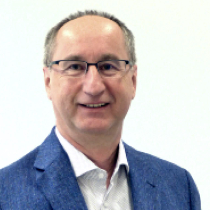 Roland Kontermann, PhD, Professor & Deputy Head, Biomedical Engineering, University of Stuttgart
Prof & Deputy Head
Univ Of StuttgartRoland Kontermann received his PhD in molecular biology from the University of Heidelberg. From 1993-1996 he was a postdoctoral research fellow in the laboratory of Sir Gregory Winter at the MRC Centre for Protein Engineering in Cambridge (UK) where he started his work in the field of recombinant antibodies and phage display technology. From 1996-2000 he was a group leader at the Institute of Molecular Biology and Tumor Research (IMT) at the University of Marburg, where he also obtained his habilitation in molecular biology. Between 2001 and 2004 he was head of biotechnology and later on head of research of a co-founded Biotech company working in the field of targeted drug delivery systems. In 2004 he was appointed Professor of Biomedical Engineering at the Institute of Cell Biology and Immunology (University of Stuttgart), endowed until 2014 by the Deutsche Krebshilfe. Current research interests focus on the development of recombinant antibodies and bispecific and bifunctional antibody fusion proteins with improved biological and pharmacokinetic properties for cancer therapy and other indications. He has published more then 160 articles and is editor of several books on antibody engineering and bispecific antibodies.
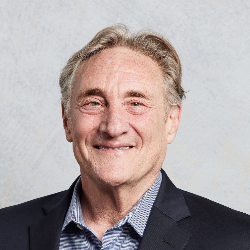 Alan J. Korman, PhD, CSO, Bluesphere Bio
CSO
Bluesphere BioDr. Alan Korman is a world-leading pioneer in developing cancer immunotherapies and is currently SVP, Immune Targeting at Vir Biotechnology. As Vice President for Immuno-Oncology Discovery at Bristol-Myers Squibb (BMS), he led the development of biologics for tumor immunotherapy. Prior to BMS, Dr. Korman held various positions at Medarex. His tenure at BMS and Medarex led to the development of three approved drugs for oncology, ipilimumab (anti-CTLA-4) and nivolumab (anti-PD-1), and their combination, which initiated the approach of checkpoint blockade, as well as relatlimab (anti-LAG-3) in combination with nivolumab. Dr. Korman received his PhD in Cellular and Developmental Biology from Harvard University and was a Whitehead Fellow at the Whitehead Institute at the Massachusetts Institute of Technology. He was also a staff scientist at the Institut Pasteur prior to moving to the biotechnology sector.
 Clay Kosonocky, Researcher, Molecular Biosciences, University of Texas at Austin
PhD Candidate
University of Texas at AustinClayton Kosonocky is a fourth-year PhD candidate at the University of Texas at Austin who is researching AI-driven methods for protein design and small molecule discovery. In 2023, he co-founded the BioML Society at UT Austin through which he created an online lecture series on applying machine learning for biology, a fully-funded BioML PhD fellowship, and a worldwide AI-driven protein design competition. Clayton is advised by Professors Andrew Ellington and Edward Marcotte, and during his PhD he has interned at Microsoft Research where he worked on developing new AI-driven protein modeling architectures.
 Thomas Kraft, PhD, Subchapter Lead, ADME, Senior Principal Scientist, F. Hoffmann La Roche AG
Subchapter Lead, Senior Principal Scientist
F Hoffmann La Roche AGThomas E. Kraft, Ph.D., is a Senior Principal Scientist and Subchapter Lead at Roche, where he spearheads the global Large Molecule ADME strategy. With nearly a decade of post-doctoral expertise, his research focuses on elucidating antibody structure-PK relationships and engineering protein-PK interactions to optimize complex biologics. An inventor on seven patents, Dr. Kraft has pioneered transformative in vitro assays—including heparin chromatography, cell based clearance assay and dendritic cell internalization models—to evaluate clearance rates in vitro and assess immunogenicity risks. He established a dedicated ADME research laboratory at Roche, driving methodological breakthroughs that enhance therapeutic delivery while reducing animal experimentation. He earned his Ph.D. in Biochemistry from Washington University School of Medicine.
 Karsten Kreis, PhD, Principal Research Scientist, NVIDIA Research
Principal Research Scientist
NVIDIAKarsten Kreis is a Principal Research Scientist in the Fundamental Generative AI Research team at NVIDIA Research. His work bridges foundational advances in generative AI with applications across the natural sciences and creative domains. Currently, he leads efforts in generative modeling for protein design, focusing on how large-scale generative models can accelerate molecular discovery and design. Trained as a physicist, Karsten completed his master’s thesis in quantum information theory and his Ph.D. at the Max Planck Institute for Polymer Research in computational and statistical physics, where he developed multiscale models and sampling algorithms for molecular dynamics simulations. Before joining NVIDIA, Karsten worked on deep generative learning at D-Wave Systems and co-founded Variational AI, a startup applying generative modeling to small molecule drug discovery.
 Dan Bach Kristensen, PhD, Scientific Director, Symphogen
Scientific Director
SymphogenDan Bach Kristensen holds a Ph.D. in biology and B.Sc. degree in chemistry. Dan is specialized in protein chemistry and mass spectrometry, which he initially applied in the field of proteome research in Japan and later in Denmark. For the last 20 years Dan has been working with analytical characterization in the biopharmaceutical industry, on projects ranging from early discovery through to product registration. Clinical indications include bleeding disorders, neutropenia, autoimmune diseases and oncology. Dan currently works as a Scientific Director at Symphogen, which is specialized in the development of antibody-derived formats, including antibody-drug conjugates and bispecific antibodies, for the treatment of cancer and other indications.
 Anneliese Krueger, Scientist, Pharmaceutical Cell Line Development, ProBioGen AG
Scientist
ProBioGen AGAnneliese Krueger is a Cell Line Development Project Leader at ProBioGen. She is a biotechnology professional with extensive research experience in protein binding modulation and protein expression optimization of pore-forming toxins.
For over six years she has been deeply engaged in cell line development at ProBioGen, successfully engineering high-expressing cell lines for IgGs, bispecifics, and enzymes. She is actively involved in continuous optimization efforts in ProBioGens cell line development. As a Project Leader, she has successfully led projects focusing on high-quality expression, glycoengineering, and biosimilar development. A key aspect of her work is leveraging transposase integration technology of the DirectedLuck Transposase to consistently achieve high-yield protein expression.
 Lenka Sadilkova, PhD, Director, R&D Program, Eli Lilly ÄŒR, s.r.o.
Director
Eli Lilly ÄŒR, s.r.o.Dr. Lenka Kyrych Sadilkova has joined Mablink Bioscience in early 2022, as the Head of Preclinical Research and Development. Previously, since 2013, she worked at SOTIO Biotech as a scientist involved in several projects during the formation of the company development pipeline. Since 2016, she worked as a lead scientist and later as a director pharmacology responsible for non-clinical development of several antibody-drug conjugates, with the first one currently in Phase I. In the past, she held several positions in the field of Bioconjugation and Recombinant Proteins with academic institutions. She has worked for 6 years at Czech Academy of Sciences and for 4 years as a scientific lead in the Laboratory of Clinical Pharmacology in one of the Czech largest hospitals. Her work was focused on recombinant antibody engineering, animal vaccination strategies, and vaccine development as well as on research projects related to pharmacokinetic and pharmacodynamic modelling of selected standard of care regimens in geriatric patients with translational overlaps. She has received her PhD in biochemistry, molecular biology, and gerontology with several publications in peer-reviewed journals.
 Isabell Lang, PhD, Group Leader, Internal Medicine II, University Hospital Wuerzburg
Group Leader
Univ Hospital WuerzburgIsabell Lang, Ph.D., is group leader at the Department of Internal Medicine II of the University Hospital Würzburg. She is a specialist in TNF receptor superfamily signaling research. Dr. Lang received her Ph.D. in Biology from the Graduate School of life Sciences of the University of Würzburg, Germany, with focus on the mechanisms of TNF receptor activation. She is working on the development of therapeutic fusion proteins and antibodies especially multifunctional anti-TNFRSF receptor fusion proteins for activation of regulatory T cells (Tregs) and treatment of graft versus host disease.
 Jesús Lavado GarcÃa, PhD, Postdoctoral Researcher, Co-PI of Mammalian Cell and Bioprocess Engineering Group, Novo Nordisk Foundation Center for Biosustainability
Postdoc Researcher
Novo Nordisk Foundation Ctr for BiosustainabilityDr. Jesús Lavado GarcÃa completed his PhD in bioprocess engineering, specializing in HIV-1 Gag VLPs, at Universitat Autònoma de Barcelona in 2021. Following his PhD, he relocated to Denmark in 2022 to pursue postdoctoral research on the cell density effect in mammalian cell cultures, supported by the prestigious Marie Curie Postdoctoral Fellowship. Currently, he is dedicated to exploring the impact of high cell density on cell culture physiology, particularly focusing on optimizing the production of viral particles. His research aims to enhance the scalability and efficiency of viral particle manufacturing processes in the biopharmaceutical industry.
 Gyun Min Lee, PhD, Professor, Graduate School of Engineering Biology, KAIST
Full Prof
KAISTDr. Lee is a Professor in the Department of Biological Sciences at KAIST (http://bs.kaist.ac.kr/~acelab/). He was a Scientific Director at the Section for CHO Cell Line Engineering, Novo Nordisk Foundation Center for Biosustainability, DTU. Dr. Lee received his B.S. and M.S. degrees in Chemical Engineering at Seoul National University, and PhD degree in Chemical Engineering at the University of Michigan. He joined KAIST in 1991. He has co-authored 257 research articles, currently serves as an Editorial Board Member for major biotechnology journals, and has served as an industrial consultant and collaborator to numerous biotechnology companies on CHO cell culture engineering for therapeutic protein production.
 Jinwoo Leem, DPhil, Senior Machine Learning Research Scientist, Isomorphic Labs
Senior Machine Learning Research Scientist
Isomorphic LabsJin is a pioneer of applying deep language models for understanding the structure and function of B-cell receptors from their amino acid sequence alone. Specifically, he is interested in how advances in natural language processing and self-supervised learning can enhance antibody discovery. At Alchemab, he is responsible for the company’s machine learning platform and is the technical lead for the partnership with NVIDIA. Previously, Jin was a senior bioinformatician at BenevolentAI, and was one of the main developers of the SAbDab and SAbPred tools from the University of Oxford.
 Giuseppe L. Licari, PhD, Principal Scientist, Computational Structural Biology, Global Drug Product Development—BDC, Merck Serono SA
Principal Scientist, Computational Structural Biology
Merck Serono SASince 2022, Giuseppe Licari has served as a Principal Scientist in Computational Structural Biology within the Global Drug Product Development department at Merck Serono SA. His work focuses on establishing computational platforms for the characterization and screening of biological molecules, as well as elucidating the role of excipients in protein stabilization. Previously, at Boehringer Ingelheim, he was instrumental in developing in silico approaches for developability assessments and predicting protein properties. After earning his PhD in Physical Chemistry from the University of Geneva in 2018, he pursued a postdoctoral position at the Theoretical and Computational Biophysics Group at the University of Illinois at Urbana-Champaign.
 Daniel Bader, Graduate Student, Scripps Research Institute
Postdoctoral Scholar
Scripps Research InstituteDaniel Bader is currently a postdoctoral scholar at The Scripps Research Institute under the supervision of Profs. Andrew Ward and William Schief, where he integrates directed evolution and cryo-electron microscopy to elucidate mechanisms of antibody affinity maturation and to guide the development of precision vaccines capable of inducing rare neutralizing antibody responses. After completing his bachelor’s degree at the University of Basel he obtained his Master of Science (MSc) in Chemistry at the ETH Zurich, during which he conducted his master thesis research at the University of California, Berkeley, where he contributed to the development of enzymatic methods for site-selective protein conjugation. Before pursuing his PhD degree at Scripps Research, he was a research fellow at Nagoya University studying macromolecular protein assemblies that regulate the circadian rhythm using X-ray crystallography. His doctoral research encompassed rational vaccine design strategies to prime and boost humoral responses to the CD4 supersite on the HIV Env glycoprotein. There, he employed mammalian display-directed evolution to engineer germline-targeting priming immunogens capable of selectively engaging specific bnAb precursors and structure-based design to stabilize wild-type HIV Env trimers in their native-like prefusion conformation.
 Dirk Linke, PhD, Professor, Molecular Microbiology, Department of Biosciences, University of Oslo
Professor, Molecular Microbiology
University of OsloDirk Linke graduated at the Technical University Berlin and was a PostDoc and Group Leader in the Max Planck Society in Tübingen, Germany before moving to Oslo, Norway where he now is a Full Professor in Molecular Microbiology.
 Matthew Locke, PhD, Principal Scientist, Non-Malignant Hematology, Roche
Principal Scientist
RocheMatthew is a Principal Scientist at Roche, where he leads R&D activities in non-malignant hematology, specializing in the development of both large and small molecule therapeutics. With over 15 years of experience across academia, government, and industry, Matthew brings a unique multidisciplinary perspective to drug discovery.
Prior to joining Roche, he served as a Senior Scientist at the Medicines and Healthcare products Regulatory Agency (MHRA/NIBSC). In this role, he was the project lead for establishing WHO International Standards for thrombolytics and coagulation factors, gaining expertise in the characterization and quality control of biotherapeutics. He began his career in academia with a Doctorate from the University of Oxford and postdoctoral research at Barts Cancer Institute and the Sanford Burnham Prebys Medical Discovery Institute.
 James Lodge, Senior Scientist, Large Molecule Research, GSK
Sr Scientist
GSKJames is a Senior Scientist in the Large Molecule Research department at GSK. This group is responsible for early-stage large molecule discovery and characterisation, and his work focuses specifically on assessing large molecule potency and efficacy, with a specialism in novel multispecific formats. He is currently concluding his collaborative PhD with the University of Strathclyde, under the supervision of Dr Zahra Rattray, where his project has focussed on the application of mathematical models to capture multispecific pharmacology.
 Arnelle Loebbert, PhD, Postdoctoral Researcher, Novartis
PostDoc
NovartisArnelle Loebbert is a pharmaceutical scientist by training (LMU Munich) and holds a PhD in Structural Biology (ETH Zurich). She currently works as a Postdoctoral Scientist in Biologics Analytical Development at Novartis Pharma AG (Basel, Switzerland) within the Method Expert Team. Her work revolves around the analytical characterization of complex biologic drug products, including the development of fit-for-purpose sample preparations.
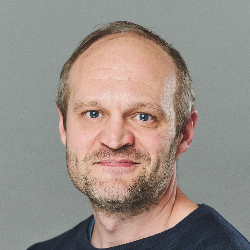 Eric Lorent, PhD, Principal Scientist, Sanofi
Principal Scientist
SanofiEric worked for 10 years in a small startup biotech company, focussing on characterization of in silico designed therapeutic proteins. In 2018, he joined Sanofi, in the R&D Analytics group. The main focus of his work is formulation, developability and characterization of NANOBODY-based molecules. With the revolution in Machine Learning use in life sciences, he now also works on bridging the gap between all this data and the data scientists, to make prediction models for NANOBODY solution properties.
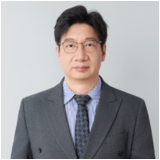 Donghui Ma, CEO & Founder, DIMA Biotechnology LTD
CEO & Founder
DIMA Biotechnology LTDDr. Donghui Ma is the Founder and CEO of DIMA Biotechnology, where he leads the development of integrated platforms for membrane protein production and antibody discovery. He previously held senior scientific leadership roles at OriGene, BioCheck, and Juventas, with extensive experience in antibody engineering and membrane protein science. His work focuses on enabling antibody discovery against challenging targets such as GPCRs using native-like protein technologies.
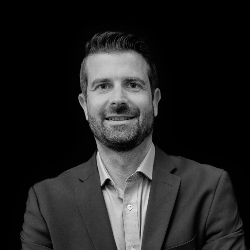 Matthias Müllner, PhD, CEO & Co-Founder, Bespark Bio GmbH
CEO
bespark*bioMatthias is a bioprocessing leader driven by one central question: why do so many breakthrough therapies fail not because of science, but because of manufacturing?
Trained in virology and molecular biology, he spent over 15 years in biotech translating innovation into clinical reality. At Themis Bioscience, he built and led Technical Operations and helped bring vaccine programs from early research into clinical development.
After witnessing repeated CMC bottlenecks slow down promising therapies, he co-founded bespark*bio to rethink how bioprocessing is approached. His work focuses on combining deep industrial know-how with data modeling and digital tools to drastically reduce experimental burden and make development more predictive.
His mission: to transform bioprocessing from trial-and-error into a data-driven discipline. So life-changing therapies reach patients faster and more reliably.
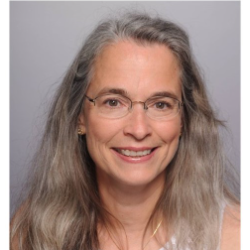 Maria P. MacWilliams, PhD, Vice President Molecular Biology, Tavotek Biotherapeutics
Vice President
Tavotek BiotherapeuticsMaria is Vice President of Molecular Biology at Tavotek Biotherapeutics. She has over 30 years’ experience with synthetic protein design and development of novel cell-based assays. Her scientific career spans many diverse areas of science including protein engineering, structure-function studies of DNA recombinases and nucleases, analyses of small molecule-drug complexes, and environmental microbiology. Prior to joining Tavotek, she held positions in both small (IO Biosciences) and large (Janssen Biologics Discovery) biopharma as well as in academia (U of Wisconsin-Parkside; Seton Hall U). Maria received her B.S. in Biology from Saint Joseph’s University (Philadelphia), her Ph.D. in Microbiology from the University of Illinois at Urbana-Champaign (UIUC), and completed post-doctoral training at UIUC and the University of Basel Biocentre (Switzerland).
 Florian Maerkl, PhD, Head of Discovery, R&D, Plectonic Logibody GmbH
Head of Discovery
Plectonic Logibody GmbHDr. Florian Märkl is Head of Discovery at Plectonic Biotech, where he leads the identification of novel targets and the hit-to-lead optimization of DNA origami-based T cell engagers. With deep expertise in T cell engineering and immuno-oncology, he drives innovation at the interface of discovery and translational research, advancing new therapeutic candidates while expanding Plectonic’s technology platform. He earned his Ph.D. in Medical Research from Ludwig-Maximilians-Universität München, where he contributed to the development of a modular platform for T cell and bispecific antibody-based cancer immunotherapy.
 Tara Mahon, PhD, Principal Scientist II, Target Biology, Inflammation and Autoimmune Diseases, Immunocore Ltd.
Principal Scientist II
Immunocore LtdDr. Tara M. Mahon is a Principal Scientist II (Target Biology, Inflammation and Autoimmune Diseases, Immunocore), where she contributes to the assessment of biological targets and suitable pathways to design novel drug that achieve targeted immune suppression to treat autoimmune diseases. She joined Immunocore (formally Avidex) contributing to fundamental research and key publications on the soluble, high affinity T cell receptor (TCR) based platform, ImmTAC (Immune mobilising monoclonal TCR against cancer). Her contributions led to the approval of the first soluble TCR-based T cell engager, Tebentafusp. Recently her team developed a new class of targeted PD-1 agonist bi-specific molecules to treat Type I Diabetes and inflammatory skin diseases. Dr. Mahon holds a degree and PhD from Trinity College Dublin (lreland).
 Cathal Mahon, PhD, Associate Director, Protein Technologies, Denali Therapeutics Inc.
Assoc Dir
Denali Therapeutics IncCathal Mahon, PhD, is Senior Director, Staff Scientist, and Head of Protein Sciences at Denali Therapeutics, where he leads a team focused on the design, generation, and characterization of large-molecule therapeutics. Over the past decade at Denali, he has contributed to the advancement of the company’s clinically validated Transport Vehicle platform, with a particular focus on leading the development of enzyme replacement therapies for lysosomal storage diseases. He earned his PhD in Biochemistry from the University of Galway, Ireland, and completed his postdoctoral training at the University of California, San Francisco.
 Robbie G. Majzner, MD, Director, Pediatric and Young Adult Cancer Cell Therapy Program, Dana Farber Cancer Institute
Director
Dana Farber Cancer InstituteRobbie Majzner is the Director of the Pediatric and Young Adult Cancer Cell Therapy Program at Dana Farber Cancer Institute/Boston Children’s Hospital. He is focused on the development and deployment of immunotherapies for pediatric cancer. His work in the laboratory centers on engineering platform technologies to improve the efficacy of CAR T cells in solid tumors and overcome therapeutic resistance. Concurrently, he is focused on translating laboratory advances in innovative clinical trials for children with incurable cancers.
 Aurelie Mazy, Scientist, IQVIA Laboratories
Scientist
IQVIAAurélie Mazy, MSc obtained her Master's degree in Biomedical Sciences with a focus on Immunopathology. She joined IQVIA Laboratories (formerly known as ImmunXperts) in 2019 as a Scientist in the Immunogenicity Department and has since built extensive expertise in immunogenicity testing and bioanalytical sciences. In 2024, she assumed leadership of the department, where she now manages scientific operations and supports a team dedicated to delivering high-quality immunogenicity assessments for biotherapeutic development.
 Kristen McEachern, PhD, Vice President, Translational Medicine, Clasp Therapeutics
Vice President, Translational Medicine
Clasp Therapeutics
 Goran MiliÄić, PhD, Senior Expert, Science & Technology, Novartis
Senior Expert, Science & Technology
NovartisGoran completed his undergraduate studies in biochemistry at the University of Ljubljana, Slovenia. He then moved to Munich, Germany, to pursue his doctoral degree at the Max Planck Institute of Biochemistry, where he investigated the mechanisms of folding, assembly, and remodeling chaperones using a combination of biophysical methods and biochemistry. After completing his PhD, he conducted his postdoctoral training at Harvard Medical School, where he studied lung surfactant proteins. In May 2021, he joined Novartis Drug Product Development in Slovenia. His main responsibilities include modeling the 3D structures of various protein therapeutic formats, conducting sequence and structure analysis, performing MD simulations, implementing various machine learning models, protein engineering, and formulation development.
 Eran Miller, Co-Founder & CEO, MNDL Bio
CoFounder & CEO
MNDL BioMy background includes 12 years of R&D in hardware and software platforms, followed with 10 years of leading global project management and business development. Much of my career as an entrepreneur has focused on the agri- and food tech sectors. Currently, I am the Co-Founder and CEO of MNDL Bio, a biotech startup and spin-out from Tel Aviv University. My work focuses on solving the high costs and scale-up barriers that prevent bio-based products from reaching the market. I manage our international business development and strategic partnerships, using my engineering background to turn complex biological research into reliable industrial solutions.
 Paul Molinaro, PhD, Postdoctoral Research Fellow, Biotherapeutic Development, Boehringer Ingelheim Pharma GmbH & Co. KG
Postdoc Research Fellow
Boehringer Ingelheim Pharma GmbH & Co KGPaul Molinaro completed his undergraduate studies at the University of Connecticut, where he earned degrees in physics and electrical engineering. He went on to pursue graduate research at the City College of New York in the laboratory of Professor Ron Koder. There, his work focused on the computational and experimental design of proteins engineered to bind small molecule targets, integrating principles from biophysics, synthetic biology, and molecular engineering.
 Thierry Monney, PhD, Associate Director, Antibody Engineering & Biophysics, Ichnos Glenmark Innovation IGI
Assoc Dir Antibody Engineering & Biophysics
Ichnos Glenmark Innovation IGIThierry Monney holds a PhD in Biology from the University of Bern, Switzerland, where his research focused on veterinary vaccine development. He joined Ichnos Glenmark Innovation in 2013 and spent ten years in antibody discovery and engineering, ultimately leading a team focused on antibody screening and early characterization. He subsequently joined the Protein Science group as co-head of analytics at the company's discovery site. Today, he leads the Biophysics group, working at the interface of Discovery and Protein Sciences to support the development and characterization of next-generation biologics.
 Paul Monnier, Solution Consultant - R&D, Benchling
Solution Consultant - R&D
BenchlingHolds a PhD in Molecular Biology from Université Pierre et Marie Curie, where he studied epigenetic modifications and their effect on gene transcription in development and oncology. Brings more than 10 years of hands-on expertise in presales and technical solutioning for pharmaceutical accounts across EMEA, working with teams that engineer and deploy modalities beyond the classical antibody, from bispecifics and ADCs to cell and gene therapies.
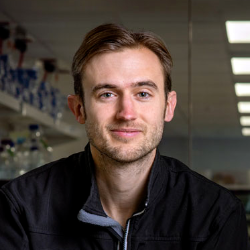 Cody Moore, Director, Platform Development, iBio Inc.
Director
iBio Inc.Cody Moore is Head of Platform at iBio, where he integrates generative AI with in-vitro display technologies to engineer complex biologics. He specializes in the design of next-generation modalities, including functional GPCR agonists and T-cell engagers. Cody has a proven track record of delivering clinic-ready antibody candidates across immuno-oncology, autoimmune, and cardiometabolic indications.
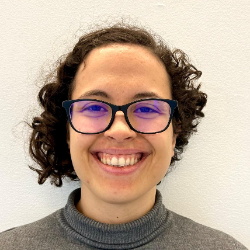 Filipa A. Moura, Research Scientist, iBET Instituto de Biologia Experimental Tecnologica
Research Scientist
iBET Instituto de Biologia Experimental TecnologicaFilipa is a Research Scientist at iBET in Portugal, specializing in cell line development and engineering for biomanufacturing. Her work focuses on advancing rAAV manufacturing using stable producer cell lines by integrating bioprocess development with high-throughput CRISPR screening strategies to identify novel targets for cell line engineering.
Tracey Mullen, Chief Strategy Officer, Mosaic Biosciences Inc
Chief Strategy Officer
Mosaic Biosciences Inc
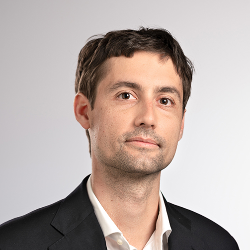 Yannick Muller, PhD, Assistant Professor, Allergology & Innovative Immunological Therapies, CHUV
Asst Prof
CHUVYannick Muller (YDM) is a clinician-scientist, i.e. an MD-PhD specialist FMH (Foederatio Medicorum Helveticorum) in clinical immunology and allergy (2016) and general internal medicine (2017). Since 2020, YDM is working as “médecin cadre†and head of the allergy unit at the division of immunology and allergy of the CHUV. In June 2021, YDM was appointed Assistant Professor at the Faculty of Biology and Medicine of the University of Lausanne become affiliated to the Center of Human Immunology at Lausanne (CHIL). In 2022, the CHIL was nominated as a new FOCIS (Federation of Clinical Immunology Societies) center of excellence. Yannick Muller is the director of this new focus center of excellence. His laboratory is primarily focused on precision gene editing and redirecting human regulatory T cells for autoimmune and allergic diseases.
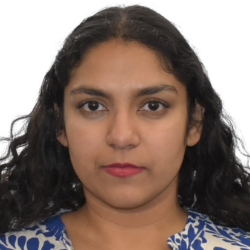 Natasha Murakowska, PhD, Director, Applied Data Science, A-Alpha Bio
Director
A-Alpha BioNatasha Murakowska is Director of Applied DS/ML at A-Alpha Bio, where she investigates how machine learning models glean relevant information from data distributions. She holds a Ph.D. in Chemical Engineering from MIT, with a focus on computational enzymology. Her work spans transformer-based generative models, structure-informed design pipelines, and large-scale protein-protein interaction datasets. Prior to A-Alpha Bio, she held ML research roles at Sherlock Biosciences and co-chaired/developed BigBio, the largest open-source biomedical NLP library.
 Jeremy S. Myers, PhD, Senior Vice President, R&D, EvolveImmune Therapeutics Inc.
Sr VP R&D
EvolveImmune Therapeutics IncJeremy Myers leads EvolveImmune Therapeutics immunobiology and biotherapeutic research teams as Senior Vice President.
Before joining EvolveImmune, he held a leadership position at Pfizer Oncology Research and Development, focusing on developing tumor-targeted immunotherapies by leveraging cell-surface antigen discovery, antibody discovery, rational protein design, and interrogation of biotherapeutic targets for antibody-drug conjugates and T-cell retargeting bispecific antibody therapeutics.
Before Pfizer, Jeremy was a research faculty member and AstraZeneca Research Fellow in the Department of Biochemistry at Vanderbilt University Medical School. Jeremy received his BSc in biology from Bucknell University. He completed his Ph.D. studies in biochemistry and molecular biology at the LSU Health Sciences Center and Louisiana State University. He completed a postdoctoral fellowship at Vanderbilt University.
 Justyna Mysliwy, PhD, Senior Director Research, Research, Iksuda Therapeutics
Sr Dir
Iksuda TherapeuticsHaving completed her PhD (University of Kiel, Germany) characterising the mode of action and physicochemical properties of antibacterial proteins, Justyna undertook her post-doctoral studies at the Centre of Advanced Research in Biotechnology (Maryland) focused on the structural changes in G protein signaling.
Justyna joined Almac in 2009 to work on the development of their proprietary technology focused on site-specific protein conjugation, before moving to Iksuda Therapeutics Ltd (previously Glythera Ltd) in 2013.
Justyna is a Research Lead for Iksuda’s Research programs. She has over 10 years of industry experience in the development and pre-clinical exemplification of a variety of conjugation platforms in multiple ADC models. Justyna brings comprehensive knowledge of bioconjugation chemistry, pharmacology, and an understanding of ADC design and development.
 Joe Nabhan, PhD, CSO, K2B Therapeutics
Chief Scientific Officer
K2B TherapeuticsJoe Nabhan is CSO of K2B Therapeutics, where he is leveraging targeted delivery expertise across different therapeutic areas to advance the next frontier in conjugate-based cancer therapy. Having led programs across LNPs, AAV gene therapy, and extracellular vesicles at Pfizer, Astellas, and Vesigen Therapeutics, Joe brings cross-modality breadth to the challenge of tumor-selective payload delivery. He is an inventor on multiple patents spanning drug delivery and gene regulation. He holds a PhD from McGill University.
 David P. Nannemann, PhD, Vice President, Rosetta Commons Foundation
Managing Member
Rosetta Design GroupDavid is an expert in protein engineering and computational design, with extensive experience applying AI-driven modeling tools in an industry setting. He serves as Vice President of the Rosetta Commons Foundation and Industry Chair on the Rosetta Commons board, helping bridge academic advancements with industry applications. As Managing Member of Rosetta Design Group, he collaborates with companies of all sizes to tackle complex challenges in biologics design. David's deep expertise in leveraging cutting-edge tools like Rosetta, AlphaFold, and diffusion-based models for protein design make him an invaluable guide for participants looking to apply AI-driven biologics design in real-world settings.
 Sridhar Neelamraju, PhD, Associate Principal Informatician, AstraZeneca
Assoc Principal Informatician
AstraZenecaSridhar Neelamraju is an Associate Principal Scientist in the Hit Discovery Department in Discovery Sciences, Research and Development, BioPharmaceuticals R&D at AstraZeneca. He received a PhD from the Max Planck Institute for Solid State Research, Germany and held a fellowship at the University of Cambridge in the United Kingdom. He has over 10 years of experience in developing and applying state-of-the-art computational methods to antibody and peptide design problems in the pharmaceutical industry.
 Saskia Neubacher, PhD, CSO, R&D, Incircular B.V.
CSO
Incircular B.V.Dr. Saskia Neubacher is co founder and CSO of Incircular, a biotechnology company developing stabilized protein therapeutics using the INCYPRO technology. She is one of the inventors of INCYPRO, a structure guided chemical protein engineering approach originating from the Vrije Universiteit Amsterdam. Dr. Neubacher has a background in chemical biology and protein engineering, and she has co authored multiple peer reviewed publications on protein and enzyme stabilization. At Incircular, she leads translational programs focused on enzyme and biologic therapies, including stabilized asparaginase for oncology.
 Christelle Nonne, PhD, Senior Principal Scientist, LMR, Sanofi Group
Project Head Biologics Innovation
Sanofi GrpDr. Christelle Nonne is Project Head in the Biologics Innovation team at the Large Molecule Research in Sanofi (Ghent site, former Ablynx biotech). She leads breakthrough science initiatives in Nanobody® technology, antibody engineering, and conditional activation systems. Her career spans multiple therapeutic areas including vascular biology, thrombosis, oncology, neurology, and dermatology. At Galderma/Nestlé Skin Health, she managed pharmacodynamics and neuroinflammation research; at Sanofi-Aventis, she conducted target identification for oncology; and at the French Blood Center, she performed pioneering research on platelet function and thrombosis mechanisms. This multidisciplinary expertise has shaped her current approach to developing innovative biologics platforms, including multispecific therapeutics and drug conjugates. Christelle holds a PhD in Molecular and Cellular Pharmacology from Université Louis Pasteur, Strasbourg.
 Petr Obrdlik, PhD, Associate Director, Analytical Development Bioanalytics, R&D, Novartis Biologics, Switzerland
Assoc Director
Novartis BiologicsPetr Obrdlik has 20 years’ experience with method & assay development in academia, biotech, and pharmaceutical industry. Petr got his PhD in biology at the University of Freiburg (Germany). During his post doc at the University of Tubingen (Germany) he developed a split ubiquitin method for systematic detection (screening) of protein interaction at membranes. 2005 - 2010, Petr was a head of assay development at IonGate Sciences GmbH in Frankfurt, responsible for development & optimization of electrophysiological methods for measuring membrane transport proteins. Today, Petr is a team leader of a bioanalytical team in technical R&D developing diverse potency and process-related impurity assays for process development and for QC.
 Peter O'Callaghan, Sr Dir & Head, Expression Systems Sciences, Lonza
Sr Dir & Head
LonzaDr. Peter O’Callaghan is Senior Director, Head of Expression System Sciences (Biologics and Licensing) at Lonza. Peter has over 19 years of experience in the field of CHO bioproduction both in industry and academia, and holds a PhD in genetics. 
 David O’Connell, PhD, Associate Professor, Biomolecular & Biomedical Science, University College Dublin
Associate Professor
Univ College DublinI am a research scientist who is deeply fascinated by the behaviour of proteins in cells, in living systems and in recombinant engineered systems. The junction of biology, chemistry and physics is of particular interest to me and is manifest in my many collaborative relationships in Europe and the US. I am also a Science Foundation Ireland funded investigator with BEACON, the Bioeconomy Research Centre, that enables me to use my expertise in protein engineering to drive creation of value in the circular economy, ensuring that excellent science creates products and technologies with sustainable properties, and to further enhance the reputation of UCD as Ireland’s number one university.
 Benjami Oller-Salvia, Associate Professor, IQS
Associate Professor
IQS - Universitat Ramon LlullBenjamà Oller-Salvia is an Associate Professor at IQS–Ramon Llull University and leads the ChemSynBio group since 2023. He obtained his PhD at IRB Barcelona in 2015 and trained as a postdoctoral researcher at the MRC Laboratory of Molecular Biology in Cambridge. Since joining IQS in 2019, he has secured highly competitive funding including an ERC Starting Grant, collaborates with leading biotech companies, and publishes high-impact research on brain delivery and conditionally active biotherapeutics.
 Shimobi Onuoha, PhD, CTO, Chimeris UK Ltd.
CTO
Chimeris UKShimobi holds a PhD in Chemistry from? the University of Cambridge and has extensive experience in the biotech space, particularly in antibody and CAR T cell research. He has published over 30 papers and is a named inventor on over 50 patents.
 Vitaly Ovcinnikovs, PhD, Senior Scientist, Genmab
Sr Scientist
Genmab BVVitalijs Ovcinnikovs is an Immunologist by training, having obtained a PhD (2018) for his research on the role of CTLA-4 in the maintenance of immune homeostasis in the lab of Prof Lucy Walker at University College London. He then moved to the Netherlands to join Genmab, where he works at the interface of antibody format engineering and basic research in collaboration with academia. Most recently, he is leading projects to develop the next generation of CD3 engagers and overcome limitations this modality faces in the clinic.
 Leire Oyon, Research Scientist, Protein Crystallography Unit, Navarrabiomed
Research Scientist
NavarrabiomedLeire Oyon is a PhD student at Navarrabiomed research center, specializing in the structural biology and engineering of T-cell receptors (TCRs). Her research focuses on the structural characterization of pMHC (peptide:MHC complex), TCR and ternary TCR:pMHC complexes to guide the optimization of TCRs for enhanced antitumoral activity. She holds a degree in Biotechnology from the Public University of Navarre (UPNA) and a Master’s degree in Biomedical Research from the University of the Basque Country (UPV/EHU). Leire has extensive experience in protein production, ÄKTA-based purification, and X-ray crystallography. Her current work integrates structural insights with immune cell engineering to develop more effective T-cell-based immunotherapies.
 Maria Pajuelo, Co-founder, EVP Technology and Scientific Office, FairJourney Bio
Co-founder, EVP Technology and Scientific Office
FairJourney BioCo-founder and Executive Vice President of Technology and Scientific Office at FairJourney Bio, Maria holds a BSc in Biology from the University of Murcia, Spain, and a PhD in Biotechnology from the Catholic University of Portugal. Her career in antibody research began in 2006 at Ablynx, a Belgian biotech company (acquired by Sanofi in 2018), where she was instrumental in identifying Nanobodies® (single-domain antibodies derived from camelids).
 Hardev S. Pandha, Honorary Professor, Urological Oncology, University of Surrey
Honorary Prof
Univ of SurreyHardev Pandha MD FRCP FRACP FRSB PhD DSc, Medical Director, Accession Therapeutics, Professor of Medical Oncology, University of Surrey
Hardev was appointed Medical Director at Accession Therapeutics, Oxford, UK, in 2023. He is a clinician scientist and Professor of Medical Oncology, who trained in Internal Medicine and subsequently in Medical Oncology at Hammersmith Hospital and at the Royal Marsden Hospital, London . He completed his PhD in cancer gene therapy at Imperial College, London. He was appointed Prof of Medical Oncology and Head of Cancer Research at the University of Surrey in 2007, and has led programs in basic science clinical research in oncolytic virotherapy, cancer vaccines and targeted cancer therapy. He has evaluated a number of oncolytic viruses and other immunotherapeutics in early phase clinical trials.
 Lindsey Pearson, PhD, Senior Scientist, Protein and Cellular Sciences, GSK
Sr Scientist
GSKLindsey Pearson is a Senior Scientist in Protein and Cellular Sciences at GSK, working within the cell line generation team. She completed her undergraduate degree in Biology (Integrated Masters) at the University of York, before joining GSK in 2020. Between 2021 and 2025, she completed a PhD through GSK’s collaborative PhD programme with the University of Strathclyde. Her doctoral research focused on the development of customisable recombinant protein expression methods in CHO cells, aimed at improving control and physiological relevance in early drug discovery workflows.
 Michael Peer, PhD, Director of Computational Biology, Biolojic Design, Ltd.
Computational Biology Technical Lead
Biolojic DesignMichael is the director of computational biology at Biolojic Design, where he leads the development of computational tools for antibody discovery.
 Tatjana Petojevic, PhD, Director, Protein Sciences, Rondo Therapeutics
Director
Rondo TherapeuticsTatjana leads the Protein Sciences team at Rondo Therapeutics, an IO biotech company developing novel therapeutics for the treatment of solid tumors. Her team focuses on the development of antibodies advancing drug candidates from discovery stage to IND enabling studies. Tatjana has over a decade of experience in protein biochemistry and has previously worked at several biotech companies including Alector, Synthekine, Caribou Biosciences, and Genentech in a variety of research and therapeutic areas.
 Ulrike Philippar, PhD, Vice President Oncology, Global Head of Discovery, Johnson & Johnson Innovative Medicine
Sr Dir & Head of Discovery
Janssen Pharmaceutica NVPhD in Cellular Biology at the University of Tuebingen, Germany; Postdoctoral Fellow at MIT Cancer Center, Cambridge, USA; 6 years in Oncology R&D at Merck & Co., Boston, USA; since 12.5 years at Johnson & Johnson Innovative Medicine Oncology R&D, Beerse, Belgium; current position: Vice President Oncology, Global Head of Discovery, Johnson & Johnson Innovative Medicine
 Nick Pittman, Senior Principal, Global Biopharma Marketing, Global Biopharmaceutical Business, Waters Corporation
Senior Principal, Global Biopharma Marketing
Waters CorporationNick Pittman brings over two decades of expertise in mass spectrometry and liquid chromatography, with a strong focus on applying Waters’ analytical technologies to biopharmaceutical research and development. Over 13 years at Waters, he has held technical and business roles that deepen his understanding of both the science and strategy behind analytical solutions. Before joining Waters, Nick spent 10 years at Pfizer UK, specialising in LC and LC‑MS techniques to support drug development.
 Andreas G. Plueckthun, PhD, Professor and Head, Biochemistry, University of Zurich
Prof & Head
Univ of ZurichAndreas Plückthun, Ph.D., is a Professor of Biochemistry at the University of Zurich, Switzerland. His research on protein engineering has included pioneering work on antibody engineering, the development of ribosome display, new scaffolds (the DARPin technology and Armadillo Repeat Proteins), engineering of stable G-protein coupled receptors towards high stability, and most recently a new retargeting platform for gene therapy. He is member of the German Academy of Science (Leopoldina) and recipient of many international awards and founder of three biotech companies, Morphosys, Molecular Partners and G7(divested to Heptares/Sosei). Trained as chemist in Heidelberg, he received his Ph.D. at UC San Diego, was Postdoc at Harvard, group leader at the Max-Planck-Institute in Martinsried, and then Professor in Zurich. His work has been published in over 475 papers, which have been cited over 50,000 times. He is an inventor on more than 25 patent families.
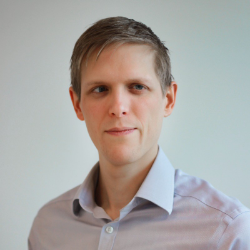 Ben Porebski, PhD, Co-Founder and CEO/CTO, Sortera Bio
Co-Founder, CEO/CTO
Sortera BioDr Ben Porebski is a co-founder and the CEO/CTO of Sortera Bio, which he spun out of the MRC LMB in early 2024, from where he worked with Phil Holliger on developing a novel high throughput drug discovery technology called Deep Screening. Ben’s research spans the fields of computational and experimental protein engineering, machine learning, and technology development, typically working at the intersection of multiple scientific and engineering disciplines.
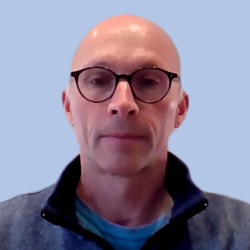 Arnaud Poterszman, PhD, Research Director, Integrated Structural Biology, IGBMC
Research Dir
IGBMCAfter studying at ENS Cachan (now Paris-Saclay), Arnaud Poterszman completed his PhD from Strasbourg University and joint the CNRS one year later. He holds a Research Director position and performs his studies in the Department of Integrated Structural Biology at IGBMC, Illkirch France. He has a dual expertise in Structural and Molecular biology with insights on expression technologies and sample preparation. His research is focused on eukaryotic multi-protein complexes involved in transcription regulation and DNA repair by nucleotide excision, particularly, the transcription/DNA repair factor TFIIH and its partners (Orchid 0000-0002-6702-5777)
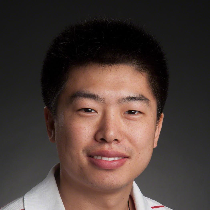 Yu Qiu, PhD, Executive Director, Biologics Design and Technology, AstraZeneca
Executive Director
AstraZenecaYu Qiu is currently Digital Biologics Advance Application Lead (Senior Principal Scientist) at Sanofi. He earned his PhD in Biochemistry in 2012, where he mainly used NMR to study protein structures and dynamics.Then he moved to St. Jude Children’s Research Hospital as a postdoc where he studied a Ubiquitin-like protein conjugation cascade in autophagy by biochemistry, enzymology, crystallography and EM. In 2017, Yu became a Senior Scientist in the Biologics Research department of Sanofi. At Sanofi, he solves structures of antibody-antigen complexes by crystallography and cryoEM and provides structure-based antibody engineering support to projects in multiple therapeutic areas. Since early last year, he has led a small group focusing on in silico antibody engineering and de novo design mainly by physics-based and ML-based methods.
 Terence Rabbitts, FRS, FMedSci, Professor, Molecular Immunology, Center for Cancer Drug Discovery, Institute of Cancer Research
Professor
Institute of Cancer ResearchProf. Terry Rabbitts is a molecular immunologist who trained at the MRC Laboratory of Molecular Biology (LMB) in Cambridge with Cesar Milstein and currently works at the Institute of Cancer Research, London. He is a Fellow of the Royal Society, a Fellow of the Academy of Medical Sciences and an EMBO Member. He has been the recipient of the Colworth Medal, the CIBA prize and the Clotten Foundation Prize in recognition for his work on the diversity and rearrangement of human antibody genes, and on chromosomal translocation genes in cancer aetiology and novel approaches to cancer drug discovery.
 G. Jonah Rainey, PhD, Associate Vice President, Eli Lilly and Company
Associate Vice President
Eli Lilly & Co.Jonah Rainey holds a PhD in Biochemistry from Tufts University and completed postdoctoral training at the University of Wisconsin and the Salk Institute. He has engaged in discovery, research, and development of bispecific antibodies for more than 15 years. He is an inventor on several patents describing novel bispecific platforms and current clinical candidates that exploit these platforms as well as an author on almost 30 publications. Jonah contributed to research and early development leading to multiple clinical candidates from Phase I and through approved products and led many advanced preclinical programs in oncology, infectious disease, autoimmunity, and other therapeutic areas. Previous industry experience includes MacroGenics, MedImmune/AZ, Oriole Biotech, Gritstone Oncology, and Alivamab Discovery Services. Currently, Jonah is a Senior Director in Protein Science at Eli Lilly & Co.
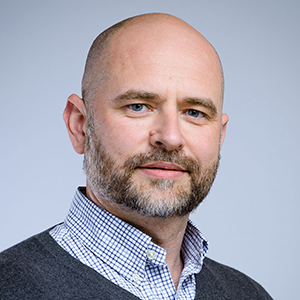 Alexey Rak, PhD, Head, Biostructure and Biophysics, Sanofi, France
Head BioStructure & Biophysics
Sanofi R&DAlexey Rak got his MSc in biology and genetics, and in biochemistry. He then completed PhDs in biochemistry and biophysics working on protein biosynthesis machinery characterization. He did his PostDoc and then held a group leader position at Max-Planck Institute for Molecular Physiology in Germany, working in the field of vesicular membrane trafficking. For this work he was awarded several honors including European Young Investigator Award in 2004. Since 2007, Alexey joined Sanofi in Paris where he has developed new methods to characterize biomolecular interactions as well as new approaches in protein structure determination including cryo-EM and enabling the lead discovery of challenging protein targets. Alexey is heading Bio Structure and Biophysics at Integrated Drug Discovery in Sanofi.
 Tamas Rasko, PhD, Senior Scientist, University Hospital Würzburg
Senior Scientist
University Hospital WürzburgDr. Tamás Raskó is a senior researcher in the Cellular Immunotherapy Department at the University Hospital of Würzburg, whose research focuses on the application of non-viral, transposon-based gene delivery technologies in cellular immunotherapy. Tamás’s team is primarily working on further developing existing transposon platforms—including the “Sleeping Beauty†system—to optimize their use in the production of CAR-T cells. Another goal of his team is to improve the vectorization of transposon-based technologies by further developing and refining existing delivery platforms. To achieve these goals, the research group is pursuing two complementary strategies: increasing the efficiency of transposon systems and improving the safety of transposase-mediated gene integration. Through these efforts, the team aims to develop more efficient and safer, non-viral approaches to gene delivery and to apply them in next-generation cellular immunotherapies.
 Alexander Rau, PhD, Senior Scientist, Protein Engineering, Anaveon AG
Sr Scientist
Anaveon AGAlexander Rau is a protein engineer focused on the design and development of next-generation biologics for cancer immunotherapy and autoimmunity. With more than a decade of experience in therapeutic protein engineering, he specializes in the discovery and engineering of antibodies, cytokine fusion proteins, and multispecific biologics that enable targeted immune modulation. At Anaveon, he leads protein engineering efforts across multiple therapeutic programs, contributing to the design, optimization, and characterization of complex biologic modalities. His expertise spans the full workflow of biologics engineering, from binder discovery using phage display and immune NGS libraries to computational protein design, production, purification, and biochemical and biophysical characterization of therapeutic candidates. Alexander holds a PhD in cancer cell biology and antibody engineering from the University of Stuttgart.
 Manuel Reithofer, PhD, Department of Biotechnology and Food Science, Institute of Molecular Biotechnology, BOKU University
Postdoctoral Reseracher
BOKU UniversityManuel Reithofer is a postdoctoral researcher at BOKU University, Vienna. Trained in biotechnology he completed his PhD in cellular immunology and subsequently pursued a postdoctoral excursion in developmental biology. He then returned to biotechnology, where at BOKU he revitalized baculovirus research and integrated it with advanced mammalian cell culture methodologies. His current work focuses on developing novel expression platforms by leveraging baculovirus-based applications for efficient, scalable gene delivery, protein production and stable cell line establishment.
 Crystal Richardson, Sr Business Partnership Mgr, Gene Synthesis, Azenta Life Sciences
Sr Business Partnership Mgr
Azenta Life SciencesCrystal brings over nine years of expertise in antibody discovery and protein engineering, offering tailored technical guidance to ensure seamless transitions from pilot projects to large-scale, high-throughput (>1,000) antibody production.
 Fabian Richter, PhD, Director, Immatics Biotechnologies GmbH
Director TCR & Bispecifics Development
Immatics Biotechnologies GmbHFabian was inspired by the sequence-structure-function relationship of immunoglobulin domains since first encountering immunology. He received his training in antibody engineering at the University of Stuttgart where he significantly contributed to the development of a novel monovalent TNFR1 inhibitory antibody - currently in clinical development - during his Ph.D. and post-doc. Fabian joined Immatics in 2019, committed to learn more about immunoglobulin domains in the context of T cell receptors (TCRs). He now leads the TCR Discovery & Bispecifics department at Immatics.
 Magdalena Richter, PhD, Associate Principal Scientist, AstraZeneca
Associate Principal Scientist
AstraZenecaMagdalena Richter, PhD, is an Associate Principal Scientist at AstraZeneca, Cambridge, shaping how the organisation approaches recombinant protein generation for non-precedented and intrinsically disordered targets. She drives capability development within the Protein Science team and leads the integration of mass spectrometry-based characterisation (HDX-MS, Native MS, and peptide mapping) into protein science workflows, enabling data-driven decisions that de-risk early discovery. She established HDX-MS capability within AstraZeneca's Protein Science team and is a regular invited speaker at the Biochemical Society's annual protein engineering meeting. She trained at the University of Cambridge.
 Lurdes Rodrigues-Duarte, Director, Research & Development, Isogenica Ltd.
Director
Isogenica Ltd.With over 20 years of experience in in vitro and in vivo pre-clinical immunology research, Lurdes has explored numerous clinically relevant areas such as autoimmunity, cancer and infectious diseases.
Lurdes began her career in immunology at Instiuto Gulbenkian de Ciencia (Oeiras, PT) subsequently sharing and absorbing knowledge at IFOM (Milan, IT) and the Laboratory of Molecular Biology (Cambridge, UK). Over the past decade, she has leveraged this experience in the field of antibody discovery, including in the development of the world’s first clinically effective oral biologic for inflammatory bowel disease. Leading Isogenica’s R&D team, she pioneers the development of new technologies suited to the testing and development of successful clinical candidates.
Luis Rodriguez, Scientist III , Specifica, an IQVIA Business
Scientist III
Specifica, an IQVIA Business
 Robin Roehm, PhD, CEO & Co-Founder, Apheris
CEO & Co-Founder
ApherisRobin Röhm is co-founder and CEO of Apheris, enabling governed, private, and secure access to life science data for ML. Robin is passionate about helping organizations safeguard their data assets and IP while ensuring it can be leveraged for AI. Having experienced first-hand the challenges of distributed data and regulatory constraints, he understands the need to overcome these to unleash the true value of life science data that’s currently sitting unused in organizations today. It’s this data that will ultimately help us transform drug discovery and development. Prior to Apheris, Robin founded a start-up in the Genomics space, worked in the financial industry, and has degrees in medicine, philosophy, and mathematics.
 Gertrudis Rojas Dorantes, PhD, Senior Scientist and Head, Protein Engineering and Computational Biology, Center of Molecular Immunology
Protein Engineering and Computational Biology Leader
Ctr of Molecular ImmunologyBiochemist from La Habana University, Cuba (1993). PhD in life sciences (La Habana University/Center of Genetic Engineering and Biotechnology, 2004 ). Fellow of the Alexander von Humboldt Foundation (AvH) at Branschweig University in Germany (2015-2017). Co-leader of a project of the long-term research linkage program of the AvH (2019-2023). Visiting fellow of the Royal Society at Cambridge University, United Kingdom (2026). More than 25 years of experience in the use of combinatorial biology and directed evolution to discover and optimize immune related molecules, with emphasis on antibodies and cytokines.
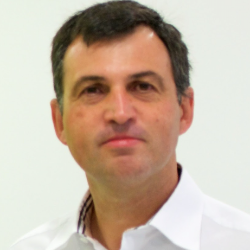 Philippe Rondard, PhD, Group Leader, Neuroreceptor Dynamics and Functions, CNRS
Group Leader
CNRSPhilippe Rondard is recognized in the field of neuropharmacology of the G protein-coupled receptors. He studies the metabotropic glutamate (mGlu) receptors, a family of eight receptors important to control synaptic transmission in brain and involved in psychiatric and neurodegenerative diseases. He recently established proof-of-concept that camelid single domain antibodies, called nanobodies or VHHs, targeting mGlu receptors are emerging new drugs to treat brain disorders. He found that the nanobodies are able to control mGlu receptor activity in vivo, and that these antibodies can be delivered to the brain after a peripheral administration to reverse brain deficits. Furthermore, he used these nanobodies as tools to discover that mGlu subunits, in addition to forming homodimers, are capable of functioning as heterodimers, revealed the existence of novel neuroreceptors in the brain.
Birgitte Rono, CSO, R&D, Evaxion Biotech AS
CSO
Evaxion Biotech AS
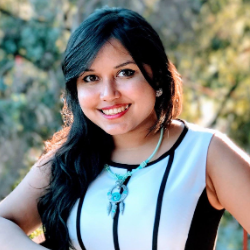 Devleena Samanta, PhD, Assistant Professor, Department of Chemistry; Associate Member, Livestrong Cancer Institutes; Member, Dell Medical School, Texas Materials Institute, The University of Texas at Austin
Assistant Professor
The University of Texas at AustinDevleena Samanta is an Assistant Professor of Chemistry, an Associate Member of the Livestrong Cancer Institutes, and a member of the Texas Materials Institute at The University of Texas at Austin (UT Austin). Her research centers on developing nanoscale tools to sense and control biocatalysis, advancing fundamental chemistry while enabling new applications in chemical synthesis, biology, and medicine. She is the first UT Austin faculty member to receive the prestigious Packard Fellowship in chemistry, and her contributions have been recognized with numerous honors, including a Scialog Fellowship, the Outstanding Researcher Award from the International Institute for Nanotechnology (IIN), and selection as a Hanna Gray Fellow Finalist by the Howard Hughes Medical Institute. In addition to her research, Devleena is a dedicated teacher and mentor. She has received two teaching awards at UT Austin, as well as the Outstanding Mentor Award from the IIN. For her contributions to UT Austin, she was appointed the William H. Tonn Endowed Professorial Fellow for the 2024-2025 academic year. She also serves on the Early Career Advisory Board of the Beilstein Journal of Nanotechnology, a diamond open access journal.
Devleena earned her Ph.D. in Chemistry from Stanford University in 2017 under the mentorship of Professor Richard N. Zare. She was supported by a Winston Chen Stanford Graduate Fellowship and a Center for Molecular Analysis and Design Fellowship. She then trained with Professor Chad A. Mirkin at Northwestern University as an IIN Postdoctoral Fellow.
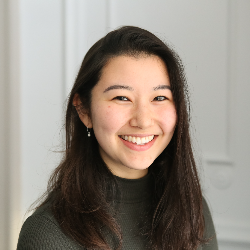 Sophie Sanford, PhD, Senior Scientist, Alchemab
Senior Scientist
Alchemab Therapeutics Ltd.Sophie Sanford is a Senior Scientist at Alchemab Therapeutics within the Target Deconvolution team. She has expertise in target discovery, platform biology, cell-based assays, and in vivo biology, with experience across academia and biotech. Sophie holds a PhD from the University of Cambridge, and has a keen interest in the cross-over of the immune system and the CNS.
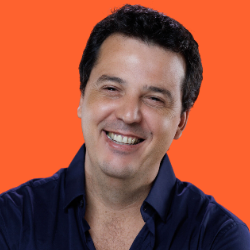 Yehezkel Sasson, PhD, Senior Vice President, R&D and Technology Development, Biolojic Design Ltd.
SVP
Biolojic Design LtdYehezkel Sasson, PhD, is SVP of Research and Technology Development, leading innovation in antibody engineering and multispecific biologics. He focuses on transforming emerging molecular concepts into scalable therapeutic platforms, with an emphasis on combining engineering rigor with clinical relevance. His work spans next generation antibody architectures and translational strategies that expand what biologics can do while remaining manufacturable and development ready.
 Aaron K. Sato, PhD, Chief Strategy Officer, Adimab, LLC
Chief Strategy Office
AdimabAaron is the Chief Strategy Officer at Adimab, with over 25 years of experience in biotechnology, focusing on discovering and developing novel first-in-class antibody therapeutics. Before joining Adimab, Aaron served as the Chief Scientific Officer of Twist Bioscience, where he led their Biopharma Solutions business. Prior to Twist, he served as Chief Scientific Officer of LakePharma, leading the California Antibody Center. He is the author of over 40 peer-reviewed papers and 70 issued patents in the antibody space.
 Shuji Sato, VP Innovative Solutions, Bus Dev, MindWalk Corp
VP Innovative Solutions
MindWalk CorpShuji Sato is Vice President of Innovative Solutions at MindWalk, where he leads the development of advanced discovery workflows across the biointelligence ecosystem. With more than 20 years of experience spanning biotech, pharma, and academia, he has directed in vivo and in vitro antibody discovery and development programs for some of the industry’s most complex targets. Drawing on deep expertise in drug development, Shuji translates scientific insight into scalable, high-impact discovery strategies that help partners move from biological question to actionable programs.
 Luca Schelle, PhD, Researcher, Immunology & Infection & Pandemic Research IIP, Fraunhofer ITMP
Researcher
Fraunhofer ITMPHe studied Biotechnology at the University of Stuttgart. He earned his doctorate at the Max von Pettenkofer-Institute in the Department of Virology at Ludwig Maximilian University (LMU) in Munich, Germany, where he examined the intersection of retroviruses and innate immunity. He is currently a postdoctoral researcher in the Protein Sciences Group of Sabine Suppmann at the Fraunhofer Institute for Translational Medicine and Pharmacology (ITMP), Department of Immunology, Infection and Pandemic Research (IIP), in Penzberg, Germany, where he focuses on viral antigens (proteins, virus-like particles (VLPs) and authentic viruses), related antibodies, and assay development.
 Volker Schellenberger, PhD, Senior Vice President, Research Oncology, Vir Biotechnology, Inc.
SVP Research Oncology
Vir Biotechnology Inc.Volker Schellenberger, PhD, SVP Research Oncology at Vir Biotechnology where he is focused on innovation of our PRO-XTEN masking technology.
Volker Schellenberger co-founded Amunix in 2006 and served as Chief Scientific Officer. He is the lead inventor of the company’s XTEN as well as PRO-XTEN platforms of protease-activated biologics. Since the acquisition of Amunix by Sanofi in 2022, Volker directed discovery at Sanofi’s center of excellence for conditionally activated biologics. In 2024 the Amunix unit was licensed by Sanofi to Vir Biotechnology where Volker is SVP for Research Oncology leading the discovery of masked biologics. Volker has over 30 years of industry experience in protein engineering and drug discovery. Prior to co-founding Amunix he served as head of Genencor’s protein engineering department.
Volker received his Ph.D. from Leipzig University (Germany) in 1986. He is author of over 40 scientific papers and inventor of more than 70 issued or pending patent applications. He is a recipient of the Karl Lohmann prize of the German Society of Biochemists.
 Stefan Schmidt, CSO, evitria AG
CSO
evitria AGDr. Stefan R. Schmidt MBA, is CSO at evitria AG, a company dedicated to antibody discovery services in Zürich after leading operations at BioAtrium AG, a joint venture of Lonza and Sanofi in Visp, Switzerland as COO. Previously he held the position as CSO and other senior executive roles at Rentschler Biopharma, Germany with overall responsibilities for biologics development and manufacturing. Before that, he was CSO at ERA Biotech in Barcelona, Spain, directing the company’s R&D efforts based on fusion proteins. Prior to that, he worked at AstraZeneca in Sweden where he led the unit of Protein Sciences within Global Protein Science & Supply as Associate Director. He started his leadership career more than 25 years ago at Biotech companies in Munich, Germany where he built up protein biochemistry teams for Connex and GPC-Biotech. He holds a PhD in Biochemistry from the Julius Maximilians University in Wuerzburg, Germany and an MBA from the University in Gävle, Sweden.
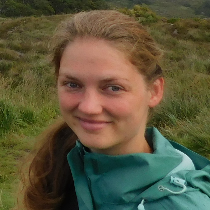 Maren Schubert, PhD, Junior Research Group Leader, Virus-Like-Particle Based Technologies, Helmholtz Center for Infection Research
Dr
Helmholtz Center for Infection ResearchMaren Schubert studied biotechnology at the TU Braunschweig. Afterwards she did her PhD at the Helmholtz Center for Infection Research (HZI), optimizing recombinant protein expression in insect cells and developing a fast baculovirus-free expression method. The following two years she was head of the recombinant protein production facility at the Rudolf Virchow Center in Würzburg, expressing and purifying challenging target proteins. In 2018, she joined the lab of Prof. Stefan Dübel at the TU Braunschweig starting her own group mainly working on antigen and antibody expression in insect cells. Here she established baculovirus-free virus-like-particle expression in insect cells for antibody development and screening. Now she she heads the group of Virus-like-particle based technologies at the HZI, using VLPs for pandemic resilience and as anti-infectives.
 Dominic Schwarz, Scientist, LMU and Roche
Scientist
Roche Innovation Center ZürichDominic Schwarz is a scientists at the Roche Innovation Center Zürich, where he specialized in next-generation cytokine armoring of cellular therapies. He completed his university education in biochemistry and synthetic biology at the Technical University Munich and performed his doctoral education under a Marie Sklodowska-Curie grant through the Roche Innovation Center Zürich and Ludwig-Maximilians University Munich. His doctoral work focused on the engineering of orthogonal cytokine receptors for adoptive cell therapies.
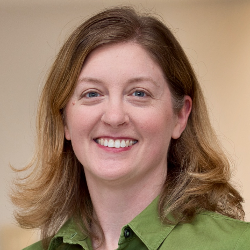 Lauren J Schwimmer, PhD, Vice President, Preclinical Development, Abalone Bio Inc
VP Preclinical Development
Abalone BioDr. Lauren Schwimmer serves as the Vice President of Preclinical Development at Abalone Bio, a biotechnology company specializing in antibody development for hard-to-drug targets. In her role, she guides antibodies discovered via Abalone Bio’s Functional Antibody Selection Technology (FAST) platform through the development process, directing both engineering and functional biological assessments for lead antibodies. Before her tenure at Abalone, she directed the creation of prominent antibody phage display libraries utilized for drug discovery at Distributed Bio and Xoma. She also directed several bispecific antibody programs for immuno-oncology at QLSF, which have since progressed to clinical trials. Dr. Schwimmer earned her PhD from the Georgia Institute of Technology and completed her postdoctoral research at The Scripps Research Institute.
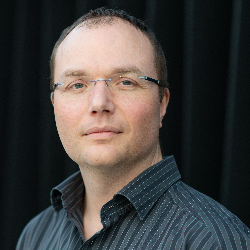 Joost Schymkowitz, PhD, Professor & Group Leader, Switch Lab, VIB-KU Leuven
Prof & Grp Leader
VIB-KU LeuvenJoost Schymkowitz is a Belgian structural biologist and biophysicist, Vice-Director of the VIB–KU Leuven Center for Neuroscience. He obtained his PhD in Protein Engineering from the University of Cambridge and completed a postdoctoral fellowship in computational biology at EMBL Heidelberg. Joost runs the Switch Laboratory together with his long-term collaborator Frederic Rousseau, and they are co-founders of the Leuven Protein Aggregation conference series. Their research combines computational modeling, biophysics, chemical and cell biology, and patient-derived tissue analysis to investigate the mechanisms of protein misfolding and aggregation. In parallel, Joost develops widely used computational tools such as TANGO, FoldX, and Waltz. He is also actively involved in Be.Amycon, the national Belgian expert network on systemic amyloidosis. Joost has authored over 230 peer-reviewed publications in journals including Nature, Cell, and Science, and is co-inventor on more than 20 patents.
 Aude Segaliny, PhD, Vice President, Research & Development, Amberstone Biosciences
Vice President
Amberstone BiosciencesDr. Aude Segaliny is an accomplished scientist in cancer research and preclinical pharmacology. As a founding scientist of Amberstone Biosciences and its Tumor Microenvironment Activated Therapeutics (T-MATE) Platform, she has executed critical projects and delivered on key milestones throughout her career. Dr. Segaliny is a responsible leader who drives effective communication between internal teams and external collaborators, advisors, and partners.
Dr. Aude Segaliny has over 15 years of experience in immunology, cell biology, cytokine and receptor biology, microfluidic single-cell functional screening platform, and in vitro/in vivo characterization assays, with a focus on cancer therapeutics discovery. She received her PhD training with a heavy focus on cytokine biology in the context of bone cancer. Her PhD study brought new insights into IL-34 biology in the pathogenesis of osteosarcoma, where she generated an anti-IL-34 therapeutic antibody. During her postdoctoral tenure at UCI, Dr. Segaliny led multiple translational research projects including one where she delivered a stem cell-based candidate therapy for metastatic breast cancer. This significant research contributed to a successful technology licensing to and pre-IND filling by a commercial biotech partner based in California.
In her current role at Amberstone, Dr. Segaliny leads a team of immunologists, biomedical engineers, and in vivo biologists to identify and characterize Amberstone’s next-generation immunotherapeutic antibodies by leveraging cutting-edge technologies and external collaborations. She was instrumental to the establishment of the company’s proprietary T-MATE discovery platform (licensed out in 2023), which has been crucial to the company’s leading programs, including the ABS-101 development candidate currently in pre-IND.
 Yang Shen, PhD, Executive Director, Antibody Engineering, Bispecifics, Regeneron
Vice President
RegeneronYang Shen, PhD, joined Regeneron in 2018 and currently serves as Executive Director, Antibody Engineering in Bispecific Department and Co-Chair of Protein Therapeutics, Pipeline & Technology Section. Yang founded Antibody Engineering Group and played an instrumental role in establishing Altibody platform. He and his team work on designing, producing, and screening alternative format molecules to deepen our understanding of biology and create new therapeutic opportunities at Regeneron. He received his PhD in Structural Biology from Columbia University. Prior to joining Regeneron, Yang held increasing roles at ImClone Systems and Eli Lilly between 2008 and 2018.
 Julia M. Shifman, PhD, Professor, Biological Chemistry, The Alexander Siblerman Institute for Life Sciences, The Hebrew University Jerusalem
Prof
Hebrew Univ JerusalemJulia Shifman is a Professor of Biochemistry and Biophysics at the Department of Biological Chemistry, The Hebrew University of Jerusalem, where she served as department chair from 2018 to 2024. Since the beginning, her research group has been dedicated to understanding and engineering of protein-protein interactions. Over the years, she dedicated substantial effort to developing computational methods for predicting affinity- and specificity-enhancing mutations in protein-protein complexes. Her efforts have particularly focused on engineering inhibitors of protein-protein interactions starting from natural binding partners as well as from unrelated small protein domains. Her universal approaches can be applied to develop therapeutics for any disease where a particular protein-protein interaction plays a critical role. Current projects in the Shifman lab aim to engineer inhibitors for various protein targets including Ras, SH2 domains, trypsins, USPs and others. Dr. Shifman earned her Ph.D. in Biophysics from the University of Pennsylvania and completed postdoctoral training at Caltech. She was bioloa visiting professor in at the Sachdev Sidhu's lab at the Donnelly centre for Cellular and Biomolecular Research at the University of Toronto (2011–2012), integrating computational and combinatorial protein engineering, and at UCSF (2021) in William DeGrado’s lab, where she initiated research on photoswitchable binding proteins.
 Gonçalo Silva, Senior Research Scientist, Biophysics & Injectable Formulation 1, Novo
Sr Research Scientist
NovoGonçalo is Senior Scientist in the department of Biophysics & Injectable Formulation at Novo since 2024. He coordinates two automation platforms for biophysical screening of compounds, with a focus on assay optimization and on setting up digital workflows for an end-to-end data product for sample and data tracking. Prior to Novo, in 2020 Gonçalo joined GSK, where he developed and embedded in the pipeline an automaton platform for polyclonal cell line development and anti-body purification. He obtained his doctorate degree at the University of Beira Interior, Portugal, from his research in the Austrian Centre for Industrial Biotechnology on the biophysical mechanisms of antibody interaction with Protein A during chromatography processes.
 Daniel M. Simão, PhD, Head, Bayer Pharma Satellite Lab, iBET Instituto de Biologia Experimental Tecnologica
Head
iBET - Instituto de Biologia Experimental TecnologicaDaniel Simão is the Head of Bayer Pharma Satellite Lab, part of the Animal Cell Technology Unit within IBET’s Health & Pharma Division.
Daniel graduated with a degree in Biology from the University of Lisbon and holds an MSc in Molecular Genetics and Biomedicine from the NOVA School of Science and Technology. He earned his PhD in Bioengineering Systems from the MIT-Portugal Doctoral Program in 2016, where his research focused on developing stem cell-based 3D in vitro models of the central nervous system for preclinical studies. His work advanced neural differentiation methodologies using stirred culture systems, exploring neuron-glia interactions and applying these models to evaluate viral vectors for gene therapy.
Following his PhD, Daniel secured a postdoctoral fellowship at the Adenovirus Receptors, Trafficking and Vectorology Laboratory at IGMM in Montpellier, France, where he worked on constructing and producing CAV-2 vectors for gene transfer to the central nervous system. In 2017, he joined the Bayer Pharma Satellite Lab, contributing to the development of a microfluidics-based antibody discovery platform and applications of next-generation sequencing technology.
Since becoming Head of Lab in 2021, Daniel has led a team focused on R&D projects for the biopharmaceutical industry, particularly in biologics research. His current academic research centers on cardiovascular pathologies, investigating the interactions between tissue-resident cells and immune cells in promoting or resolving pathological features. Novel immune-competent human cardiac cell models are being developed using cells derived from human induced pluripotent stem cells (hiPSC) and human primary cells. Additionally, new modalities are being explored such as adaptive cell therapies (e.g., CAR T cells) as potential treatments for cardiac fibrosis.
 Angus M. Sinclair, PhD, CSO, Preclinical R&D, LabGenius Therapeutics
CSO
LabGenius TherapeuticsAngus brings more than 30 years of leadership experience in therapeutic discovery and development, successfully advancing multiple lead assets into clinical evaluation. He joined LabGenius from IGM Biosciences, where he served as Executive Vice President of Research. Previously, he led oncology research as Senior Director at Northern Biologics and served as Scientific Director at Amgen. Earlier in his career, Angus held academic positions at the University of Cambridge, the University of Texas Southwestern Medical Center, and the University of California, San Diego.
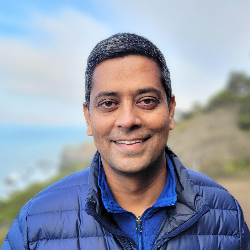 Arvind Sivasubramanian, PhD, Director, Computational Biology & Platform Technologies, Adimab LLC
Dir Computational Biology & Platform Technologies
Adimab LLCDr. Arvind Sivasubramanian is a Director, Computational Biology and Platform Technologies, at Adimab LLC. In this role, he oversees a group involved in hybrid computational-experimental activities for the discovery and optimization of antibody and TCR biologics. His expertise includes the design of synthetic IgG and TCR libraries, the structure-based design of bispecific antibodies, and in silico predictions of antibody-antigen interactions. He received his Ph.D. in Chemical Engineering from Drexel University, Philadelphia, PA, after which he completed a post-doc in antibody:antigen docking with Prof. Jeff Gray at Johns Hopkins University, Baltimore, MD.
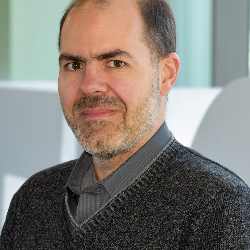 Eric Smith, PhD, Vice President, Bispecific Antibodies, Regeneron Pharmaceuticals, Inc.
Vice President
Regeneron Pharmaceuticals, Inc.Dr. Eric Smith received his PhD in Microbiology and Immunology from Duke University in 1997. Following a postdoctoral fellowship at NYU he joined Regeneron in 2002 as a member of the Antibody and Trap Technologies group, where he worked on cytokine traps and related molecules. In 2008 he was a founding member of the Bispecific Antibodies team and is currently the Vice President of Bispecifics at Regeneron.
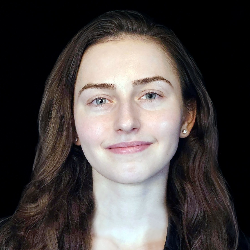 Eva Smorodina, PhD, Computational Structural Biologist, University of Oslo
PostDoc Research Fellow
Rikshospitalet Univ HospitalEva Smorodina is a computational structural biologist with a rich and diverse background in protein design and molecular modeling. She is currently a PhD Research Fellow in Immunology at the University of Oslo. Her academic journey began at the Faculty of Bioengineering and Bioinformatics of Lomonosov Moscow State University, where she quickly gravitated toward research. Over the years, she has studied a wide range of systems including small molecules, RNA, DNA, membrane systems, intrinsically disordered proteins, antibodies, and designed proteins across multiple laboratories in different countries. Eva has worked with with Andrey Golovin (Lomonosov Moscow State University), Birgit Strodel (Jülich Research Centre), Shuguang Zhang (MIT), Sergey Ovchinnikov (Harvard), Victor Greiff (University of Oslo), and David Baker (Institute for Protein Design). Through her scientific journey, Eva have delivered 20+ international talks, built an audience of 34k+ followers on LinkedIn through science communication, co-authored a Declaration of Innovation enabling a 3-year industry collaboration, and designed cover art for Chemical Reviews and mAbs, integrating science and art. By now, she has reached 815+ citations, 13 h-index, and published 25+ research papers.
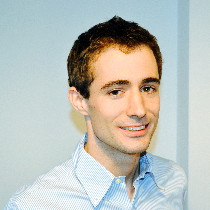 Pietro Sormanni, PhD, Associate Professor & Royal Society University Research Fellow, Chemical Engineering, Imperial College London
Associate Professor and Royal Society University Research Fellow
Imperial College LondonPietro Sormanni is an Associate Professor and Royal Society University Research Fellow at Imperial College London. His group develops computational and experimental methods for antibody and biomolecule design, integrating model development with the measurements needed to train, validate and apply these tools. Their work focuses on computational antibody-design technologies to transform antibody discovery and engineering, with industrial and academic collaborations demonstrating faster and more cost-effective routes than traditional approaches. Before joining Imperial, Pietro led a research group at the University of Cambridge, having previously been a Borysiewicz Biomedical Sciences Postdoctoral Fellow. He holds a PhD in Chemistry and an MSc in Theoretical Physics.
 Roberto Spreafico, PhD, Senior Director, Biologics AI Innovation, AstraZeneca
Senior Director, Biologics AI Innovation
AstraZenecaRoberto Spreafico is Senior Director, Biologics AI Innovation at AstraZeneca. After earning an MSc in Biotechnology and a PhD in Immunology from the University of Milano-Bicocca in Italy, Roberto spent 10 years in the USA. There, he worked for institutions such as the University of California Los Angeles, Synthetic Genomics, and Vir Biotechnology, where he was the lead computational biologist on the team that developed Sotrovimab during the COVID-19 pandemic. Since returning to Europe, he has held managerial roles at GlaxoSmithKline, Absci and Genmab before joining AstraZeneca in February 2026. His expertise encompasses immunology, genomics, bioinformatics, protein engineering and artificial intelligence.
 Ulrich Storz, PhD, Senior Partner, Michalski-Hüttermann & Partner
Senior Partner
Michalski-Hüttermann & PartnerUlrich Storz is a senior partner at Michalski Huettermann Patent Attorneys in Duesseldorf, Germany. Ulrich received his doctorate from the University of Münster in 2002 with a thesis in the field of neurobiology. He then completed his training as a German Patent Attorney. In 2006, he was admitted as a representative before the European Patent Office, and is now also admitted to represent clients before the Unitary Patent Court. Ulrich's main areas of practice are the prosecution and enforcement of patent applications and patents as well as the preparation of freedom-to-operate analyses and expert opinions. His contribitsions were instrumental in MA deals ranging between 200000 € and 1,2 bn €. In 2023, he helped Biotech startup companies to succesfully sign 2 out of the 5 best valued series A deals in Europe. Ulrich also advises on patent strategy issues, in particular in the life sciences sector (biotechnology, biophysics, biochemistry and microbiology), especially in the field of therapeutic antibodies. Ulrich is regularly involved in major antibody opposition proceedings before the European Patent Office. He also has extensive experience in gene editing technologies including CRISPR, TALEN and ZFN, and also works in the fields of CAR-T cells, stem cell technologies, plant biotechnology and enzymes. Ulrich organises the annual "Rhineland Biopatent-Forum" and regularly publishes, in academic papers, on patent issues relating to therapeutic antibodies.
 Rocky Strollo, MD, PhD, Associate Professor, Endocrinology, San Raffaele University of Rome
Associate Professor
San Raffaele University of RomeAfter graduating in Medicine at Campus Bio-Medico University of Rome in 2008, I have carried out a PhD at Queen Mary University of London under the supervision of Prof. Ahuva Nissim (from 2010 to 2014) and then a medical specialization in Endocrinology and Metabolic Diseases under the supervision of Prof. Paolo Pozzilli (from 2012 to 2016). Currently, I am Associate Professor of Endocrinology at San Raffaele University of Rome. My primary research activity aims to investigate the role of oxidative post-translational modifications of insulin and other beta cell antigens in the pathogenesis of type 1 diabetes. The final objective is to develop novel diagnostic biomarkers and target therapies for cure or prevention of type 1 diabetes, based on oxidative modifications of insulin. Main achievements of my research include the identification of antibody and T cell responses towards neo-antigenic insulin peptides induced by oxidative modifications. I have received several national and international awards, and since 2013, my research has been supported by competitive grants founded by the European Foundation for the Study of Diabetes, the Juvenile Diabetes Research Foundation, the Italian Ministry of Health and the Italian Ministry of University. Additional research activities are focused on: i) the effect of obesity and diabetes on bone metabolism; ii) the effect of glucose on immune response to SARS-CoV-2 as well as biomarkers of COVID-19 severity in patients with diabetes or obesity
 Hristo Svilenov, PhD, Associate Professor, TUM
Associate Professor
Technical University of MunichDr. Svilenov is currently an Associate Professor at the Technical University of Munich. His research interests are in the development, formulation and manufacturing aspects of biotherapeutics. Before joining TUM, Dr. Svilenov was Associate Professor at Ghent University. Previously, he was a postdoctoral researcher funded by a Peter and Traudl Engelhorn Fellowship and a grant from the Else Kröner-Fresenius Foundation in the group of Prof. Johannes Buchner at the Technical University of Munich. From 2016 to 2019, Dr. Svilenov did his PhD training supported by a Marie Sklodowska-Curie Fellowship under the supervision of Prof. Gerhard Winter at the Ludwig Maximilian University of Munich. He defended his doctoral thesis with the highest distinctions in Germany (summa cum laude) and received the AbbVie prize and the Carl-Wilhelm-Scheele of the German Pharmaceutical Society for his work. Dr. Svilenov is a pharmacist by training.
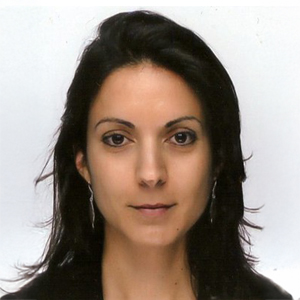 Jasmin Sydow-Andersen, PhD, Matrix & Science Lead LMR, Molecular Characterization, Roche Diagnostics GmbH
Matrix & Science Lead LMR
Roche Diagnostics GmbHJasmin Sydow-Andersen is a Senior Principal Scientist at Roche Diagnostics GmbH. She brings 12 years of experience within the company. Her extensive background focuses on the analytical characterization and design of therapeutic antibodies as well as project management. She holds a PhD in biochemistry and structural biology from the Ludwig-Maximilians-University in Munich, Germany.
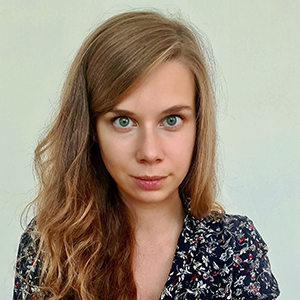 Natasa Tagasovska, PhD, Principal Machine Learning Scientist and Scientific Manager, Prescient Design, Genentech, Roche
Principal Machine Learning Scientist
Genentech | RocheNatasa Tagasovska is a Principal Machine Learning Scientist and Scientific Manager at Prescient Design, Genentech in the Frontier Research team. Her interests revolve around ML methods for causal learning and uncertainty estimation, and recently she explores their capabilities within applications in computational biology. Prior to Prescient, she was a Sr. Data Scientist at the SDSC at EPFL-ETHZ, where she worked on interdisciplinary projects, applying ML to physical and social science research efforts. She holds a PhD in Information Systems (Data Analytics track) from University of Lausanne and a BS and MSC in Computer Science and Engineering. During her studies she interned at Facebook (Meta) AI Research and NATO.
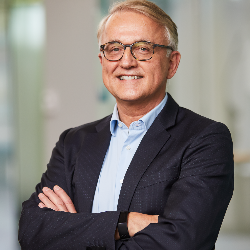 Paul Peter Tak, MD, PhD, FMedSci, President & CEO, Candel Therapeutics
President & CEO
Candel TherapeuticsPaul Peter received his medical degree from the Amsterdam University Medical Center (AUMC) and was trained as an internist and immunologist at Leiden University Medical Center, where he also received his PhD. He worked as a scientist at the University of California San Diego and next served as Professor of Medicine at Amsterdam University Medical Center.
He has published extensively in peer-reviewed journals, received numerous awards, has been elected Fellow of the Academy of Medical Sciences, is Honorary Senior Visiting Fellow at University of Cambridge, and was recognized by PharmaVOICE100 in 2021 and the Medicine Maker 2013 Power List in 2023.
At GlaxoSmithKline he served as Senior Vice President, Chief Immunology Officer, and Global Development Leader (2011-2018). He was also the Chair of the Scientific Review Board. Next, he became Venture Partner at Flagship Pioneering.
In September 2020 he became the President and CEO of Candel Therapeutics, which develops viral immunotherapies. He is currently also on the Board of Sitryx Therapeutics (co-founder; Oxford), Levicept (London) and Chair of the Board of Citryll (Oss).
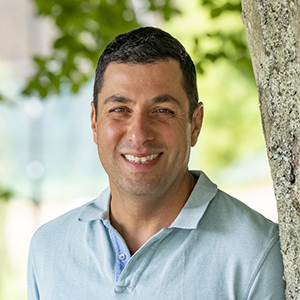 Ali Tavassoli, PhD, Professor of Chemical Biology, University of Southampton
Professor of Chemical Biology
University of SouthamptonAli is Professor of Chemical Biology at the School of Chemistry, and was formerly the Chief Scientific Officer of Curve Therapeutics. Ali leads an interdisciplinary team of scientists whose efforts are focused on the development of novel chemical tools that enable new insight into the role of protein-protein interactions in cell biology, and as the starting point for new therapeutics.
Ali served as president of the Royal Society of Chemistry's (RSC) chemical Biology Interface Division (2020-2023), and a Fellow of the RSC. Ali is on the editorial board of RSC Chemical Biology. Ali was Chair of the RSC's Chemical Biology and Bioorganic Group (2012-2015), and an elected member of the RSC's Chemistry and Biology Interface Division council (2012-2016).
Ali has won a number of awards during his career, including the European Association for Chemical and Molecular Sciences' medal for European Young Chemist in 2008, the RSC Medimmune Protein and peptide Science Award in 2017, and the European Peptide Society's Leonidas Zervasaward in 2020.
 Peter M. Tessier, PhD, Albert M. Mattocks Professor, Pharmaceutical Sciences & Chemical Engineering, University of Michigan
Albert M Mattocks Professor
University of MichiganPeter Tessier is the Albert M. Mattocks (Endowed) Professor in the Departments of Chemical Engineering, Pharmaceutical Sciences and Biomedical Engineering, and a member of the Biointerfaces Institute at the University of Michigan in Ann Arbor, MI. He received his Ph.D. in Chemical Engineering from the University of Delaware (2003, NASA Graduate Fellow) and performed his postdoctoral studies at the Whitehead Institute for Biomedical Research at MIT (2003-2007, American Cancer Society Fellow). Tessier started his independent career as an assistant professor in the Department of Chemical & Biological Engineering at Rensselaer Polytechnic Institute in 2007, and he was an endowed full professor at Rensselaer prior to moving to the University of Michigan in 2017. Tessier’s research focuses on designing, optimizing, characterizing and formulating a class of large therapeutic proteins (antibodies) that hold great potential for detecting and treating human disorders ranging from cancer to Alzheimer’s disease. He has received a number of awards and fellowships in recognition of his pioneering work: Pew Scholar Award in Biomedical Sciences (2010-2014), Humboldt Fellowship for Experienced Researchers (2014-2015), Young Scientist Award from the World Economic Forum (2014), Young Investigator Award from the American Chemical Society (2015) and NSF CAREER Award (2010-2015).
 Lena Tholen, Dir Cell Line & Bioprocess Dev, Cell Line & Bioprocess Dev, FyoniBio
Dir Cell Line & Bioprocess Dev
FyoniBioLena received her PhD in 2017 at Berlin University for Technology before she went to Fraunhofer IZI-BB for Post Doc period. In 2019 she started as a scientist in CLD and USP at Glycotope GmbH and subsequently joined FyoniBio and is now leading the Cell line and Bioprocess group. She was the lead scientist for building up the powerful CHOnamite® and CHOFlow® platforms.
William Thomas, Immunology Sales Specialist, Sales, ProImmune Ltd
Immunology Sales Specialist
ProImmune Ltd
 Ella Thornton, PhD, Research Scientist, R&D, Epsilogen Ltd.
Research Scientist
Epsilogen LtdElla is a Research Scientist at Epsilogen, where she engineers, produces, purifies and characterises IgA, IgE and IgG of therapeutic interest. Prior to Epsilogen, Ella obtained a PhD in protein design in the lab of Professor Lynne Regan at the University of Edinburgh and subsequently led a post-doctoral project in ML-directed protease engineering using a combination of cell-free protein synthesis and microfluidics.
 Anabel Torrente Lopez, PhD, Postdoctoral Researcher, Center for Proteomics and Metabolomics, Leiden University Medical Center
Postdoc Researcher
Leiden University Medical CenterDr. Anabel Torrente-López obtained her PhD in Pharmacy from the University of Granada, Spain. During her doctoral research in Analytical Chemistry, she specialized in the physicochemical and functional characterization of biotherapeutics, focusing on critical quality attributes (CQAs) and LC–MS-based analytical workflows. She is currently a postdoctoral researcher at the Center for Proteomics and Metabolomics, Leiden University Medical Center (Leiden, Netherlands), where she applies diverse mass spectrometry approaches to the analysis and characterization of glycoconjugates, glycoproteins, and released glycans.
 Michael Traxlmayr, PhD, Group Leader, BOKU University
BOKU UniversityMichael Traxlmayr obtained his PhD in the field of antibody engineering in the lab of Christian Obinger, at BOKU in Vienna, Austria, followed by postdoctoral studies in the lab of Dane Wittrup at MIT, where he engineered non-antibody-based domains for specific antigen binding. After returning to Vienna, he started to apply his protein engineering skills in the CAR T cell field. For that purpose, he teamed up with Manfred Lehner from the CCRI in Vienna. In their “CD Laboratory for Next Generation CAR T Cells," they engineer novel protein tools to enable regulation of CAR T cell activity with small molecule drugs and to improve CAR T cell specificity. A novel technology for small molecule-regulated CAR control, which emerged from this collaborative project, was recently awarded as the “BOKU invention of the year 2020.â€
 Talip Uçar, Founding Member, Boltz
Founding member
BoltzTalip Uçar is a founding member of Boltz. Most recently, he served as Senior Director at AstraZeneca, where he led machine learning research for the Machine Learning-Driven Antibodies and Biologics (MLAB) program, applying AI to accelerate drug discovery and development. Earlier in his career, he held senior roles at NVIDIA and Advanced Micro Devices in Silicon Valley, contributing to major GPU and CPU design efforts. Talip holds multiple U.S. and international patents and has published broadly across chip design, optical networks, and machine learning. At Boltz, he leads AI research for biologics design and works with the team to develop state-of-the-art open-source foundation models for biomolecular modelling and design.
 Mart Ustav Jr, CSO, Icosagen Cell Factory OU
CSO
Icosagen Cell Factory OUMart Ustav Jr. is the Chief Scientific Officer at Icosagen Group. During his postdoctoral research at the University of Toronto, he developed innovative antibody engineering platforms, including a novel Virus-Like Particle system for membrane protein display, which has opened new possibilities in therapeutic antibody discovery. His work has led to successful collaborations with leading pharmaceutical companies and has resulting in multiple patents. At Icosagen, he continues to lead cutting-edge R&D efforts in antibody based therapeutics and antibody, pushing the boundaries of molecular biology and therapeutic innovation.
 Thomas Valerius, MD, Professor, Stem Cell Transplantation & Immunotherapy, Christian Albrechts University of Kiel
Prof & Sr Physician
Christian Albrechts University of KielThomas Valerius studied medicine at the University of Erlangen-Nürnberg, Germany. After his training in Internal Medicine, he specialized in Hematology/Oncology and Rheumatology. Since May 2003, he has been working at the Christian Albrechts University in Kiel, Germany, where he is currently the provisional Clinical Director of the Section for Stem Cell Transplantation and Immunotherapy. His main scientific interests have been effector functions of monoclonal antibodies in tumor therapy with particular focus on improving myeloid effector cell recruitment.
 Marjolein van Egmond, PhD, Professor, Oncology and Inflammation, Surgery/Molecular Cell Biology and Immunology, Amsterdam UMC
Professor, Oncology and Inflammation
Amsterdam UMCThe research group of Dr. van Egmond studies antibody activation of innate myeloid immune cells, macrophages and neutrophils, with emphasis on understanding the role of immunoglobulin A (IgA) in physiology and pathology. Her research focuses specifically on (1) the contribution of abnormal antibody responses to chronic inflammation and autoimmunity and (2) monoclonal antibody therapy of cancer. Dr. van Egmond’s research is highly translational and she has a cross appointment with the Department of Surgery and the Department of Molecular Cell Biology and Immunology, to facilitate the rapid progression of preclinical findings into clinical applications.
Revina Van Scherpenzeel, PhD, Principal Scientist, Laigo Bio
Principal Scientist
Laigo Bio
 Mireille Vankemmelbeke, PhD, Principal Scientist, Scancell, Ltd.
Principal Scientist
Scancell LtdMireille Vankemmelbeke obtained her PhD from the University of Sheffield (UK), after graduating (BPharm) from the University of Ghent, Belgium. She completed several postdoctoral positions at the Universities of Sheffield and Nottingham, before joining Professor Durrant’s cancer immunotherapy lab, where she focused on generating cancer-targeting anti-glycan antibodies and Fc-engineering to enhance their functionality. Mireille joined Scancell Ltd. in 2018, where, as Principal Scientist, she currently oversees the GlyMab and AvidiMab platforms.
 Rodrigo Vazquez-Lombardi, PhD, Co-Founder & CSO, Engimmune Therapeutics AG
Co-Founder and CSO
Engimmune Therapeutics AGRodrigo Vazquez-Lombardi is co-founder and CSO of Engimmune Therapeutics. His research for over a decade has focused on the molecular engineering and development of immunotherapies including cytokine, antibody and T cell receptor (TCR) therapeutics. During his doctoral studies, Rodrigo discovered a novel mechanism of action of interleukin-2-Fc fusion proteins against cancer, namely Treg depletion. As a PHRT Postdoctoral Fellow at ETH Zurich, he established the TCR-Engine platform combining CRISPR-Cas9 genome editing, mammalian display, deep sequencing and computational methods for TCR engineering, as well as additional platform technologies now licensed to Engimmune, which he co-founded in August 2021. As CSO at Engimmune, he leads a multidisciplinary team applying AI-guided engineering of soluble TCR therapeutics for oncology indications of high unmet medical need. Rodrigo holds a BSc (Hons I) degree from the University of Sydney and a PhD from the University of New South Wales (Garvan Institute).
 Andreia Verissimo, PhD, Senior Scientist, Late Stage R&D, iBET Instituto de Biologia Experimental Tecnologica
Sr Scientist
iBET Instituto de Biologia Experimental TecnologicaAndreia VerÃssimo, PhD, is a Senior Scientist in the Late-Stage R&D and Bioproduction Unit at iBET (Instituto de Biologia Experimental e Tecnológica). She holds a degree in Biochemistry from the University of Lisbon (FCUL) and a PhD in Biochemistry from ITQB NOVA. Following her doctoral studies, she joined the University of Pennsylvania as a postdoctoral researcher and subsequently moved to Dartmouth College, where she directed three research core facilities supporting recombinant protein production, biophysical characterization, and advanced protein analytics. In this leadership role, she enabled cutting-edge research across multiple scientific disciplines through the development and management of state-of-the-art technology platforms. In 2025, she returned to Portugal to join iBET, where she leads industry-collaborative projects focused on the development of next-generation biotherapeutics, with a particular emphasis on multispecific antibodies, advancing innovative process development solutions and accelerating the translation of scientific discoveries into manufacturable therapeutic products.
 Owen Vickery, PhD, Associate Principal Scientist, Augmented Biologics, AstraZeneca
Associate Principal Scientist
AstraZenecaOwen Vickery is an Associate Principal Scientist at AstraZeneca split between pipeline project delivery and tool development/application. He builds practical, closed-loop workflows that integrate affinity, developability, and cross-reactivity, enabling faster, evidence-driven sequence-to-lead decisions and seamless translation to wet-lab validation.
 Alessandra Villa, PhD, Director, Antibody Platform Development, Kling Biotherapeutics
Director of Platform Development
Kling BiotherapeuticsAlessandra Micaela Villa is an industrial biotechnologist by training, with a PhD at ETH-Zurich on the generation of therapeutic antibodies for tumor targeting. After few years as antibody lab-head, she moved to the European Institute of Oncology in Milan to deep dive in cancer stem cell biology paradigm, working on primary patients' samples. Due to her passion for targeted therapeutics, Alessandra then moved to Philochem group in Zurich as group leader to design and develop immunocytokines from R&D to the IND. In 2021 Alessandra joined Molecular Partners as director to pioneer targeting of radio-ligand-therapeutics with a small ankyrin-based scaffolds. Since November 2024, Alessandra is leading the Antibody platform-development group in Kling Biotherapeutics group.
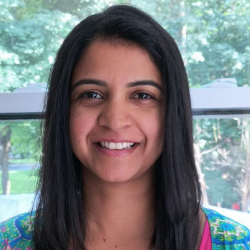 Jyothsna Visweswaraiah, PhD, Senior Director, Drug Creation, Seismic Therapeutic
Senior Director
Seismic TherapeuticDr. Jyothsna Visweswaraiah is an accomplished leader with extensive experience in drug development, having successfully advanced new therapies into clinical trials. Currently, she serves as the head of Drug Creation at Seismic Therapeutic.
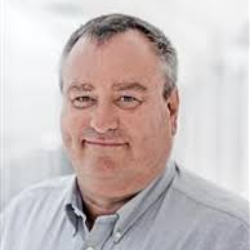 Bjørn Voldborg, MSc, Head, National Biologics Facility, DTU Bioengineering, Technical University of Denmark
Director CHO Cell Line Development
Technical University of DenmarkBjørn Voldborg has more than 20 years of experience working with recombinant protein expression from both academic and industrial settings. Bjørn was team leader in the biotech company Pharmexa A/S, responsible for molecular cloning and expression of protein-based drug candidates. From this, he went to the NNF Center for Protein Research at the University of Copenhagen as Head of the Protein Production Unit, and, since 2012, Bjørn has been heading the CHO Cell Line Engineering project dedicated to the engineering of improved protein production cell factories, and since 2021 he has been heading the Cell Line and Protein Production in the National Biologics Facility at the Technical University of Denmark.
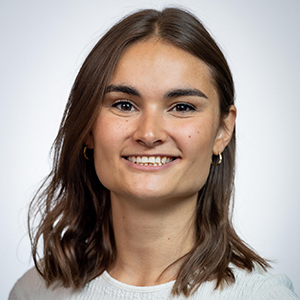 Isabel Waibel, Graduate Student, Biochemical Engineering, ETH Zurich
Doctoral Student
ETH ZurichIsabel Waibel received her master's degree in process engineering from the Karlsruhe Institute of Technology and the University of Michigan. She is currently a PhD student in Prof. Arosio’s Lab at the Institute of Chemical and Bioengineering, Department of Chemistry and Applied Biosciences. In her research, she is focusing on data-driven formulation strategies to address developability challenges of biologics.
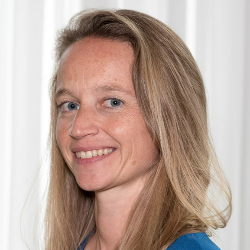 Inja Waldhauer, PhD, Senior Principal Scientist, Roche Innovation Center Zurich
Senior Principal Scientist
Roche Glycart AGInja Waldhauer is a Senior Principal Scientist at the Roche Innovation Center Zurich, where she has contributed her expertise since 2008. With extensive experience in the development of T-cell engagers, costimulators, and cytokines, she has successfully guided numerous projects from initial discovery concepts through to early clinical studies. Over her tenure, she has authored multiple scientific publications and contributed to numerous patent applications in the field of cancer immunotherapy.
 Nina E. Weisser, PhD, Director, Multispecific Antibody Therapeutics, Zymeworks, Inc.
Director
Zymeworks IncNina Weisser is Director of Multispecific Therapeutics at Zymeworks where she leads a research team in the development of multispecific antibody therapeutics with a focus on mechanism of action studies. Since joining Zymeworks in 2012, she has led several research programs, including zanidatamab from discovery to early development. She received her PhD from the University of Guelph and held a post-doctoral fellowship at the National University of Ireland, Galway.
 Belinda Wenke, Director & Principal, WB Consulting
Director & Principal
WB ConsultingBelinda is an independent consultant representing Invenra, bringing over six years of experience spanning antibody discovery and antigen development. During her time at Invenra, she served as Antigens Group Leader, where she led the design, engineering, and production of high-quality target proteins and peptides to support antibody discovery campaigns, playing a key role in enabling successful antibody generation through optimized antigen design and expression. She also contributed to the advancement of Invenra’s B-Body and T-Body platform capabilities through the development of robust, scalable antigen strategies.
 Stacey Willard, VP of Product Management in Marketing, Nuclera
VP of Product Management in Marketing
NucleraStacey Willard is Vice President of Marketing and Product Management at Nuclera, where she leads product strategy and commercialization for Nuclera’s protein access technologies and service offerings. She brings deep scientific expertise in life science tools, protein biology workflows, and translational research applications, combined with extensive experience turning emerging technical capabilities into commercially successful products.
Stacey is leading the launch and commercialization of Nuclera’s antibody services, working closely with R&D and commercial teams to translate Nuclera’s cell-free expression and antibody screening capabilities into practical solutions for AI/ML and high-throughput antibody discovery teams. Her work focuses on helping researchers move from large digital candidate libraries to actionable experimental evidence faster, reducing downstream bottlenecks and enabling better decisions earlier in discovery.
 Ben Williams, PhD, Research Software Engineer, Department of Statistics, University of Oxford
Research Software Engineer
Oxford Protein Informatics GroupI joined the Oxford Protein Informatics Group (https://opig.stats.ox.ac.uk/) in January 2025 as a research software engineer, supporting the development and deployment of the group's tools, including SAbDab, the Structural Antibodies Database. You can use and learn about many of OPIG's freely available tools and resources here: https://opig.stats.ox.ac.uk/webapps
I have a doctorate in condensed matter physics from the University of Oxford and spent several years developing software and methods for data analysis at Diamond Light Source, the UK's national synchrotron X-ray source and electron microscopy facility.
 Wei Xu, PhD, CSO, METiS TechBio
CSO
METiS TechBioDr. Wei Xu is Chief Scientific Officer (CSO) at METiS Techbio, where he leads the advancement of high-value mRNA-based therapeutic pipelines toward clinical development. He brings extensive experience across immunology, oncology, and cell therapy. Previously, he served as CSO at Numab Therapeutics (Switzerland), and as Vice President and Head of Biology & Translational Medicine at Innovent Biologics (China), where he built multidisciplinary teams and advanced first- and best-in-class programs around multispecific therapeutics. Earlier in his career, Dr. Xu spent seven years at Roche (USA/Switzerland), contributing to multiple programs that progressed into clinical development. He holds a Ph.D. in Immunology from Leiden University Medical Center and completed his postdoctoral training at the Baylor Institute for Immunology Research.
 Kota Yamaguchi, Research Scientist, Formulation Research, Injectable Technologies, Chugai Pharmaceutical Co. Ltd.
Research Scientist
Chugai Pharmaceutical Co LtdKota Yamaguchi is a research scientist in the Formulation Research Department at Chugai Pharmaceutical Co., Ltd., specializing in injectable antibody formulations. His research centers on applying molecular dynamics simulations to elucidate molecular mechanisms underlying antibody stability, aggregation, and formulation dependent behavior, and integrating computationally derived molecular descriptors with experimental data such as DSC.Through this approach, he aims to support more rational formulation design in biopharmaceutical development.
 Maki Yoshida, Deputy Head, Analytical Development Department, Pharmaceutical Technology Division, Chugai Pharmaceutical Co., Ltd.
Deputy Head, Analytical Development Dept
Chugai Pharmaceutical Co LtdMs. Maki Yoshida is Deputy Head of the CMC analytical function at Chugai Pharmaceutical Co., Ltd. She is responsible for coordinating analytical research activities supporting antibody development across stages from preclinical to commercial. She has a background in mass spectrometry–based characterization of antibody therapeutics and experience in molecular and structural characterization of biologics. Her work includes the development of analytical approaches to support the understanding of structure–function relationships of antibodies, contributing to CMC control strategies for complex molecular modalities. In her current role, she supports cross-project analytical coordination within CMC and promotes the use of appropriate analytical technologies for biotherapeutic development and commercialization.
 Dongxing Zha, PhD, CEO, Ypsilon Therapeutics
CEO
Ypsilon TherapeuticsDr. Dongxing Zha is the CEO and founder of Ypsilon Therapeutics and a pioneer in next-generation immunotherapies. He previously built Keyway® TCR Discovery platform at Alloy Therapeutics and led the ORBIT platform at MD Anderson Cancer Center, where he transitioned the first TCRm from discovery into clinical trials for hematologic malignancies. With a foundational background at GlycoFi and Merck & co., Dr. Zha now leads Ypsilon Therapeutics in engineering of high-affinity multi-specific T-cell engagers designed to overcome the immunosuppressive tumor microenvironment in treatment of solid cancers. He holds a Ph.D. in molecular biology.
 Huimin Zhao, PhD, Steven L. Miller Chair Professor, University of Illinois Urbana Champaign
Steven L Miller Chair & Prof
Univ of Illinois Urbana ChampaignDr. Huimin Zhao is the Steven L. Miller Chair of chemical and biomolecular engineering at the University of Illinois Urbana-Champaign (UIUC), director of NSF AI Institute for Molecule Synthesis (moleculemaker.org), NSF iBioFoundry (ibiofoundry.illinois.edu), and NSF Global Center for Biofoundry Applications (gcba.illinois.edu), and Editor in Chief of ACS Synthetic Biology. He received his B.S. degree in Biology from the University of Science and Technology of China in 1992 and his Ph.D. degree in Chemistry from the California Institute of Technology in 1998. Prior to joining UIUC in 2000, he was a project leader at the Dow Chemical Company. Dr. Zhao has authored and co-authored over 480 research articles and over 30 issued and pending patent applications. In addition, he has given over 560 plenary, keynote, or invited lectures. Forty (40) of his former graduate students and postdocs became professors or principal investigators around the world. Dr. Zhao received numerous research and teaching awards and honors such as ECI Enzyme Engineering Award and NSF CAREER Award. His primary research interests are in the development and applications of synthetic biology, artificial intelligence, and laboratory automation tools to address society’s most daunting challenges in health, energy, and sustainability.
 Stefan Zielonka, PhD, Professor, Biomolecular Immunotherapy, Technische Universität Darmstadt
Senior Director
Merck KGaAStefan works as Senior Director at Merck Healthcare KGaA (EMD Serono), Germany, where he heads Global Antibody Discovery and Protein Engineering (ADPE). He holds a PhD in chemistry as well as a habilitation in biochemistry. In addition, he is Professor of Biomolecular Immunotherapy at Technical University of Darmstadt.
 Jonathan Zmuda, Sr Dir R&D, Protein & Viral Vector Expression Systems, Thermo Fisher Scientific Inc
Sr Dir R&D
Thermo Fisher Scientific IncJonathan Zmuda, Ph.D. is a Senior Director of Cell Biology R&D at Thermo Fisher Scientific located in Frederick, MD (USA). Dr. Zmuda leads a team of scientists dedicated to developing new products for applications including transient protein expression, viral vector production and nucleic acid delivery. Dr. Zmuda received his Ph.D. in Cell Biology from the University of Maryland, College Park and his BSc degree from Dickinson College in Carlisle, PA.